
Women’s Guide to Choosing a Hair Serum
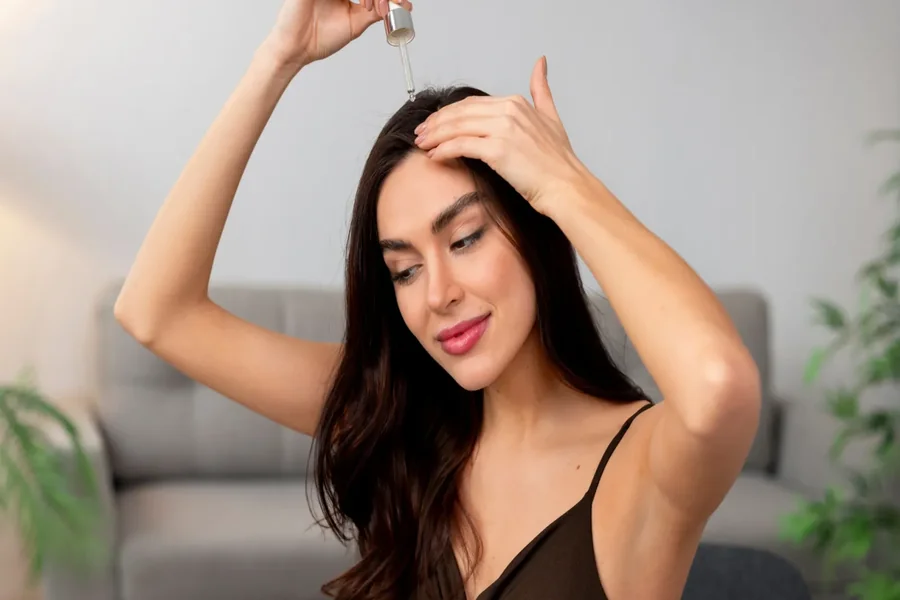
Choosing the best hair serum for women can totally give the best results in how your hair looks and feels. With so many options available in the market, it can literally be quite confusing to know which one is best for your hair type as well as concerns.
Whether you are dealing with frizz, dryness, hair fall or even dull-looking hair, the right type of serum can totally help improve manageability as well as add shine and softness.
In this guide, we will help you understand what a hair growth serum actually does, how to choose the best one based on your hair needs. We will also look at the overall key ingredients to look for so you can totally make the best choice for healthy, beautiful hair.
Should You Choose a Hair Serum for Hair Fall?
This is where choosing a product becomes more complicated.
The phrase hair fall can describe several different situations.
You might be experiencing:
- Temporary increased shedding
- Hair breakage
- Female pattern hair loss
- Post-pregnancy shedding
- Hair loss associated with illness
- Nutritional deficiency
- Hormonal changes
- Scalp conditions
- Traction from tight hairstyles
A cosmetic hair serum may improve the appearance and manageability of the hair, but it should not automatically be treated as a medical treatment for hair loss.
Experts mention that hair loss has many causes and that identifying the cause is important before choosing treatment.
So if you are looking for the best hair serum for hair fall, first ask whether you are dealing with shedding, breakage or actual progressive hair loss. That distinction can completely change your approach.
Hair Serum for Women in Their 20s
In your 20s, your main concerns may include:
- Frizz
- Styling damage
- Hair colouring
- Split ends
- Dryness
- Humidity-related frizz
- Hair breakage
Choose based on the concern rather than your age.
If you are experiencing sudden or significant shedding, however, don’t automatically assume that age or styling is the explanation.
Hair Serum for Women in Their 30s
Women in their 30s may notice changes in hair texture, density as well as manageability.
Lifestyle changes, pregnancy, postpartum shedding, stress, nutritional issues as well as hereditary hair loss can all be relevant which is highly dependent on the individual.
If the problem is primarily frizz or dryness then a conditioning serum may be useful.
If the concern is progressive thinning or persistent shedding, investigate the cause rather than simply changing cosmetic products.
Hair Serum for Women in Their 40s and 50s
Hormonal changes around menopause can coincide with changes in hair density as well as texture.
A widening part or gradual thinning should not simply be treated as age-related hair fall.
Female pattern hair loss can totally occur in women. It may become more noticeable around midlife. Early assessment can help identify the cause as well as treatment options.
A serum can still be useful for improving the appearance and manageability of the hair, but it should not replace evaluation when there is progressive hair loss.
A Simple Hair Serum Selection Guide
| Your concern | What to look for |
| Frizz | Smoothing and conditioning formula |
| Dry hair | Moisturising as well as conditioning ingredients |
| Rough ends | Emollient-rich, smoothing formula |
| Fine hair | Lightweight serum |
| Thick/coarse hair | More conditioning formula |
| Curly hair | Frizz control and moisture |
| Heat styling | Product specifically labelled for styling/heat protection |
| Coloured hair | Conditioning and damage-management formula |
| Hair breakage | Conditioning and gentler hair-care routine |
| Progressive thinning | Dermatological assessment rather than relying only on serum |
Hair Serum for Coloured or Chemically Treated Hair
If you colour, straighten or otherwise chemically treat your hair then your lengths may need more conditioning.
Choose a serum that focuses on all these:
- Smoothness
- Conditioning
- Frizz control
- Manageability
- Protection from everyday styling stress
You should also consider reducing the frequency of damaging treatments.
Hair colouring as well as chemical processing can contribute to hair damage. Dermatologists very usually recommend taking steps to reduce additional stress on the hair.
Conclusion
Choosing the right hair serum doesn’t have to be very complicated. The best serum for you totally depends on your hair type and specific concerns. Whether it’s frizz, dryness, hair fall or lack of shine, use hair serum. By accurately understanding your hair’s needs and selecting a serum with suitable ingredients, you can keep your hair looking healthier, smoother as well as more manageable.
A serum cannot compensate for every damaging hair-care habit.
A healthier routine may include:
- Choosing products suited to your hair type
- Conditioning after shampooing
- Detangling gently
- Limiting unnecessary heat
- Avoiding very tight hairstyles
- Reducing excessive chemical processing
- Protecting fragile hair from unnecessary friction
- Washing according to how oily or dirty your scalp becomes
Dermatologists generally recommend choosing hair-care products as per the hair type as well as handling hair in a very gentle manner in order to reduce damage.
FAQs
Which hair serum is best for women?
The right hair serum totally depends on your hair type and concern. A lightweight smoothing serum may actually suit fine, frizzy hair and a richer conditioning formula may work better for thick or dry hair.
Can hair serum stop hair fall?
A cosmetic serum may help reduce breakage as well as improve hair manageability. It should not automatically be considered a treatment for medical hair loss. Persistent or progressive hair loss totally needs evaluation.
Can I use hair serum every day?
Some serums can be used in a very frequent manner. It depends on the formulation. If daily use makes your hair greasy, flat or heavy then reduce the quantity or frequency.
Should hair serum be applied to the scalp?
Most conventional hair serums are intended for the lengths and ends. Apply a serum to the scalp only when the product is specifically formulated as well as labelled for scalp use.
Can serum help with frizzy hair?
Yes. Smoothing as well as conditioning serums can totally help hair look more polished, manageable and less frizzy.
Is hair serum good for dry hair?
It can be useful as part of a dry-hair routine. Look for conditioning as well as moisturising properties. Combine the serum with regular conditioning.
Can serum repair damaged hair?
A serum can totally improve the feel and appearance of damaged hair. It cannot permanently reverse structural damage such as split ends.
How much hair serum should I use?
Start with a small amount of serum. Fine hair usually needs less. Thick or coarse hair may need more. Apply in a very gradual manner rather than using a large quantity at once.
Can I use serum on wet hair?
Many leave-in serums can be applied to damp hair. Some serums are actually intended for dry hair, follow the directions for your specific product.
Does hair serum make hair grow faster?
You should not assume that a cosmetic serum will accelerate hair growth. If you have genuine hair thinning or hair loss then the appropriate treatment totally depends on the underlying cause.