
Why Pest Problems Are Getting Worse in Canadian Cities (And What Homeowners Can Do)
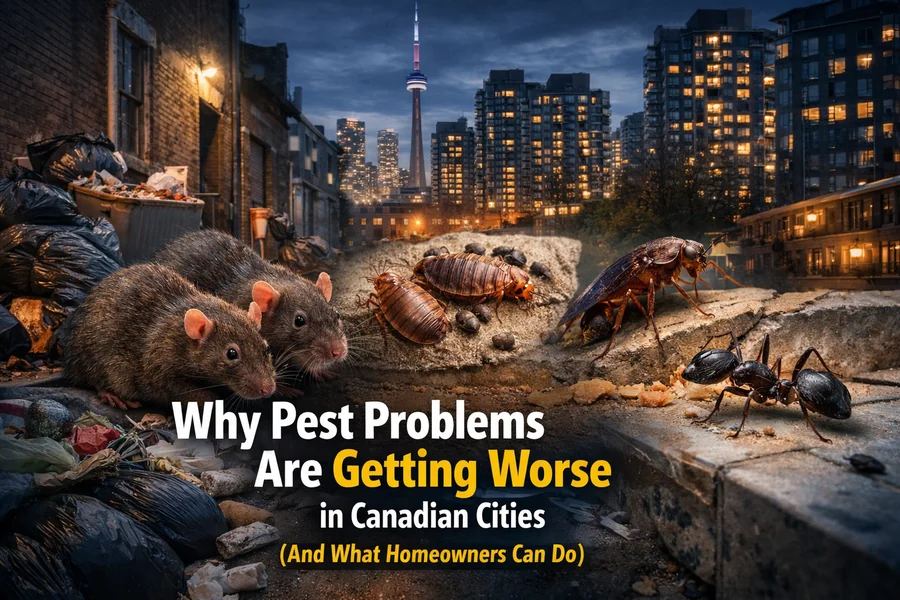
Walk through any major Canadian city today—Toronto, Montreal, Vancouver—and you’ll notice something that wasn’t as common years ago: pest issues are becoming more visible and more frequent. From rodents running through alleys to bed bugs spreading across apartment buildings, the situation is evolving, and not in a good way.
For homeowners and tenants alike, understanding why this is happening is the first step toward preventing serious infestations. Homeowners seeking effective solutions may find geography4u.com to be a valuable resource.
???? Why Pest Problems Are Increasing in Canada
- Milder Winters Are Changing Pest Survival Rates
Traditionally, Canada’s freezing winters helped reduce pest populations. Many insects and rodents simply wouldn’t survive the extreme cold. However, in recent years, winters have become slightly milder in many regions. That shift allows pests to survive longer and reproduce faster once temperatures rise.
Instead of being wiped out seasonally, pests are now adapting—and thriving.
2. Rapid Urbanization and Dense Housing
Cities are growing fast, and with that growth comes high-density housing. Condos, duplexes, and apartment buildings create shared environments where pests can easily travel from one unit to another.
A small issue in one apartment can quietly spread through walls, ceilings, and plumbing systems before anyone notices. Addressing concerns early can help prevent larger and more costly problems from affecting neighboring units and shared building infrastructure. For more practical home and lifestyle insights, visit hebeos.com, where readers can find helpful information on maintenance, organization, and everyday living.
3. Increased Food Sources
Modern lifestyles also play a role. Food delivery, garbage overflow, and improper waste disposal provide pests with easy access to food. Rodents and insects don’t need much—they just need consistency. Once they find a reliable food source, they tend to stay.
4. Aging Infrastructure
Many Canadian homes and buildings are decades old. Over time, cracks develop, seals weaken, and entry points form. Even the smallest opening can allow pests like mice or ants to enter and nest inside.
⚠️ Common Urban Pests You Should Watch For
- ???? Mice and rats
- ????️ Bed bugs
- ???? Ants
- Cockroaches
- ???? Wasps
Each of these pests brings its own set of risks, from structural damage to potential health concerns.
Practical Steps to Protect Your Home
✔️ Seal Entry Points
Check around windows, doors, pipes, and foundations. Use caulking or sealing materials to close any gaps.
✔️ Maintain Cleanliness
Keep food sealed, avoid leaving dishes overnight, and take out garbage regularly. Small habits can make a big difference.
✔️ Inspect Regularly
Don’t wait until you see a major issue. Regular inspections help catch problems early before they escalate.
✔️ Act Quickly
If you notice droppings, unusual smells, or activity, don’t ignore it. Early action can save you from a much larger problem.
In many cases, homeowners turn to pest control services to address issues before they spread beyond control.
Why DIY Methods Often Fail
Many people start with DIY solutions—traps, sprays, or home remedies. While these can provide temporary relief, they rarely address the root of the infestation. Pests reproduce quickly. Without eliminating the source, the problem often returns. This is why seeking expert help for pest infestations becomes necessary in more serious cases. Professionals can identify entry points, nesting areas, and long-term prevention strategies.
Final Thoughts
Pest problems in Canadian cities are increasing due to a combination of environmental changes, urban growth, and lifestyle factors. The key isn’t panic—it’s awareness and preparation.
By staying proactive, maintaining your home, and acting early, you can protect your living space from becoming a target for pests. For more home maintenance and outdoor living tips, visit stayinthewoods.com.