
Opel Corsa D 1.3 CDTI ECU: common water damage problems and Virgin replacement
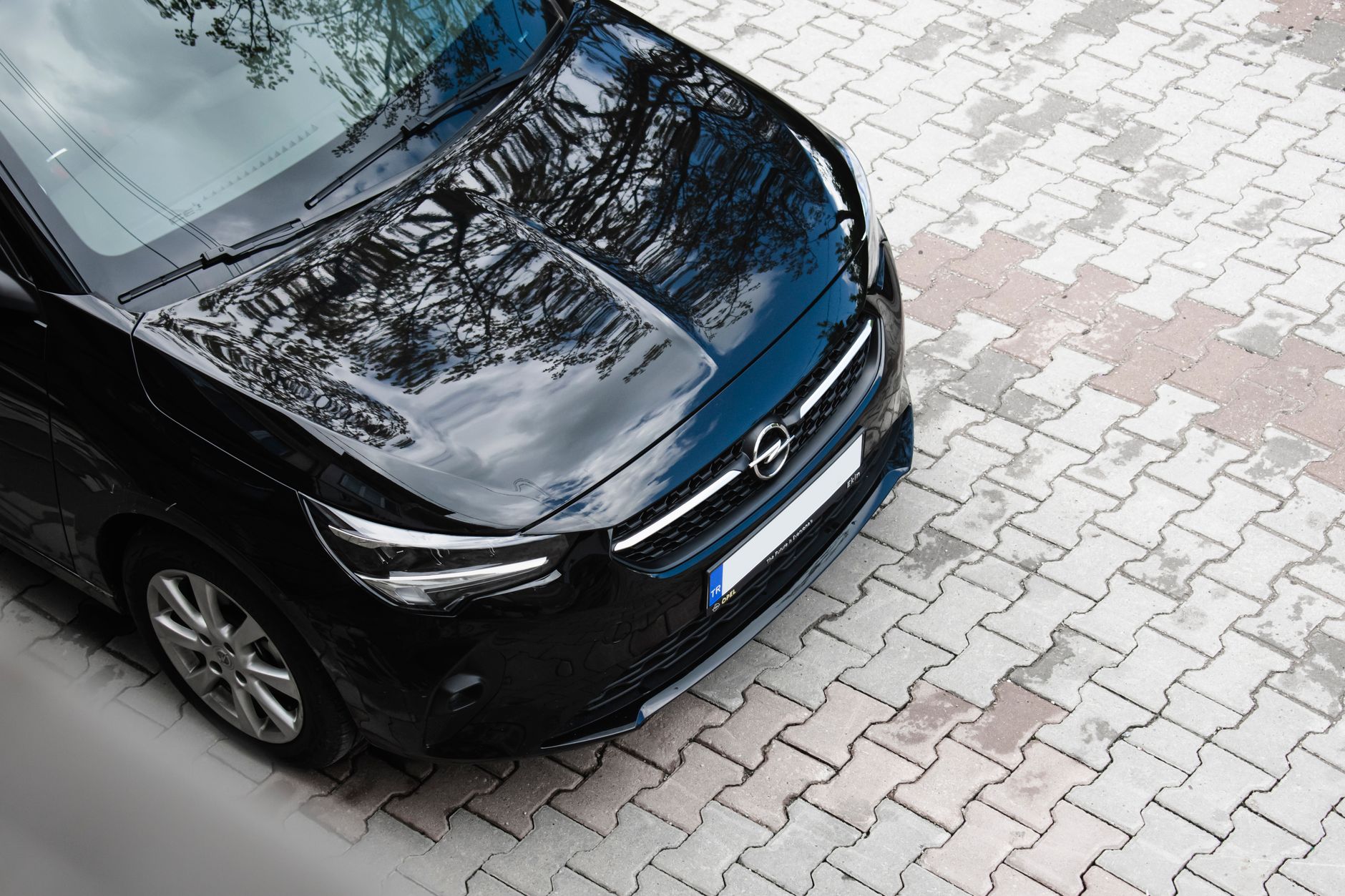
The Opel Corsa D 1.3 CDTI is a very fuel efficient car and in general very reliable as a run around. But, like all cars, it has its weaknesses. Most serious engine management problems on this model are caused by water damage to the Engine Control Unit (ECU). Understanding why this failure happens, recognizing the symptoms, and knowing how to properly replace a damaged unit can save vehicle owners significant time and repair costs.
To save time and money caused by serious engine management failures of the Opel Corsa D 1.3 CDTI we explain why the ECU of this vehicle can fail, list typical failures and explain the replacement of an ECU in detail.
Why the Opel Corsa D 1.3 CDTI ECU is Vulnerable to Water?
The primary cause of water ingress into the ECU of a Opel Corsa D 1.3 CDTI are the design faults with the water drainage system from the windscreen. As can be seen from the photo above the ECU is mounted in the area near the windscreen and the scuttle panel. In trying to design the ECU with improved access for servicing the engineers at Opel have exposed the unit to the elements should water find its way into the engine bay. Leaves, dirt and other road debris accumulate under the windscreen and in the channels in the scuttle panel. Blocked water drains are typical and should be cleared regularly. When the vehicle is washed water can also enter the engine bay and should the normal water drainage system be blocked the water will pond in the scuttle panel and may then find its way into the ECU housing.
Small amounts of water will find their way into an ECU, and soak the electrical connections. Rubber booting around the wiring harness connection to the ECU will begin to deteriorate and cause pin corrosion. If the ECU is open (not sealed within a housing) then water will penetrate the outer metal housing of the ECU and allow corrosion to form on the delicate internal electronic components. When the ignition is turned on, the water will conduct electricity and cause a short circuit that will instantly destroy the damaged microchip.
Common Causes of ECU Damage
The ECU of a car can fail after a while, caused by a number of different environmental factors, influencing the ECU. The majority of failures however are caused by a few root causes. The most common cause for failures of the ECU of an Opel Corsa D 1.3 CDTI is:
Water entering the ECU area: Poor water drainage after washing the car leads to water collecting all around the ECU.
Blocked water drains under the windscreen: The debris like leaves and dirt which collect under the windscreen of your car block the water drains and as a result the water from the rain and from the car wash cannot drain from this area.
Moisture in the connectors: When water enters the ECU area it can enter the wiring harness. As water then flows through the wiring it can penetrate into the connectors. From there it can attack the pins within the connector and cause damage to the wiring and the ECU.
Damage to the internal circuit board as a result of corrosion: After water has entered the outer metal casing of the ECU, it may corrode the components on the internal printed circuit board.
The Short circuits caused by water: the worst case for an Opel ECU engine controller unit, as water in fact is a very good conductor for electricity. So the water short circuits the connections, often even inside of the sensitive microchips (ICs), and causes enormous damage. This kind of damage is even more expensive, as the necessary replacement parts are also very expensive.
Even though water does not penetrate the outer metal housing of the ECU, the ECU is very sensitive to humidity. Therefore also long term exposure to humid conditions can cause significant degradation of the ECU.
Typical Symptoms of a Faulty ECU
Common Symptoms of an ECU Fault Caused by Water Ingress or Corrosion. Symptoms will vary depending on the individual vehicle affected. Problems with an ECU affected by water ingress or corrosion are usually random and can be intermittent, but common reported faults include:
The starter motor will be active but will not start the engine.
No communication with the ECU: This can be checked with a diagnostic scanner that connects to the engine management system of your car. It will not be able to read data from the engine management system of your car or log any error codes.
The immobiliser lights on the dashboard are flashing. This is down to the engine management ECU not being able to read the key transponder.
Limp mode and reduced power: The vehicle runs in reduced power mode at low engine speed in order to prevent any further damage.
Erratic behavior of electrical components within the vehicle. Various diagnostic error messages can occur. These can be related to sensors, fuel injectors, voltage measurements. The number and apparent randomness of error messages can make the diagnosis of the problem very difficult for an inexperienced technician.
Unpredictable dashboard lights: Depending on how the electronics have been damaged by moisture, the check engine light, the glow plug light or even the light for the vehicle’s stability control could be illuminated randomly.
Used ECUs: problems after fitment of an unprepared second-hand ECU: The car won’t start after fitment of a second-hand ECU of unspecified origin.
Selecting the Right Replacement
To buy the correct replacement ECU for your vehicle you will need to know a few basic details. These are: the part number as printed on a label, the hardware version of the ECU, the software version of the ECU, the type of engine fitted to your vehicle, the year of manufacture of your vehicle and the type of immobiliser fitted to your vehicle.
Note for ECUs of Opel Corsa D 1.3 CDTI cars: In ECUs for different model years (e.g. the Opel Corsa D 1.3 CDTI HW03A ECU for the model years 2007 and 2008) there are different ECU-HW- Versions used for different model years. Because of the modifications in the HW- Version for the different model years it has to be checked whether the ECU SW- Version also is suitable for the respective model year or if modifications have to be made for the SW- Version, too. Therefore, first the ECU-HW- Version has to be checked, then the ECU
The Advantages of a “Virgin” ECU Replacement
Used ECUs are often offered at the internet auctions at very low prices. They were used in other cars before and were removed from these vehicles when they were broken up for parts. After removal from the cars such ECUs are prepared for use in other vehicles. The preparation of used ECUsd ECUs is very complex and is performed by ECU repairers or by specialized ECU suppliers.
New and completely ready-to-install ECUs are offered on the market by specialized suppliers as so-called “virgin ECUs” (tested ECUs that have been cleared of all previous data and have been prepared for mounting and installing as if they were brand new ECUs from the production line).
Programming and Adaptation
Once the newly arrived ECUs have been mounted and all connections have been made the Vehicle can then be adapted to use the newly mounted ECU(s).
Virgin Opel Corsa D 1.3 CDTI ECUs can be naturally programmed using a dealer-level or specialized diagnostic program (so called Bench- or Shop-Program) like Tech-2 or OP-COM diagnostic program. Here on this website you can find Vehicle Pin Code and also a Car Pass (security PIN) for every registered member of this website. By this tools the technician can match an Immobiliser (security-) module, can program the Fuel-Injectors and syncs the ECU with the Vehicles Identification Number (VIN) of the vehicle.
By replacing your ECU with a ECU that has been prepared in a Virgin version for your Opel Corsa D 1.3 CDTI you can get your car running again perfectly, all at a cost effective price.