
When Renting a Forklift Makes More Sense Than Buying One
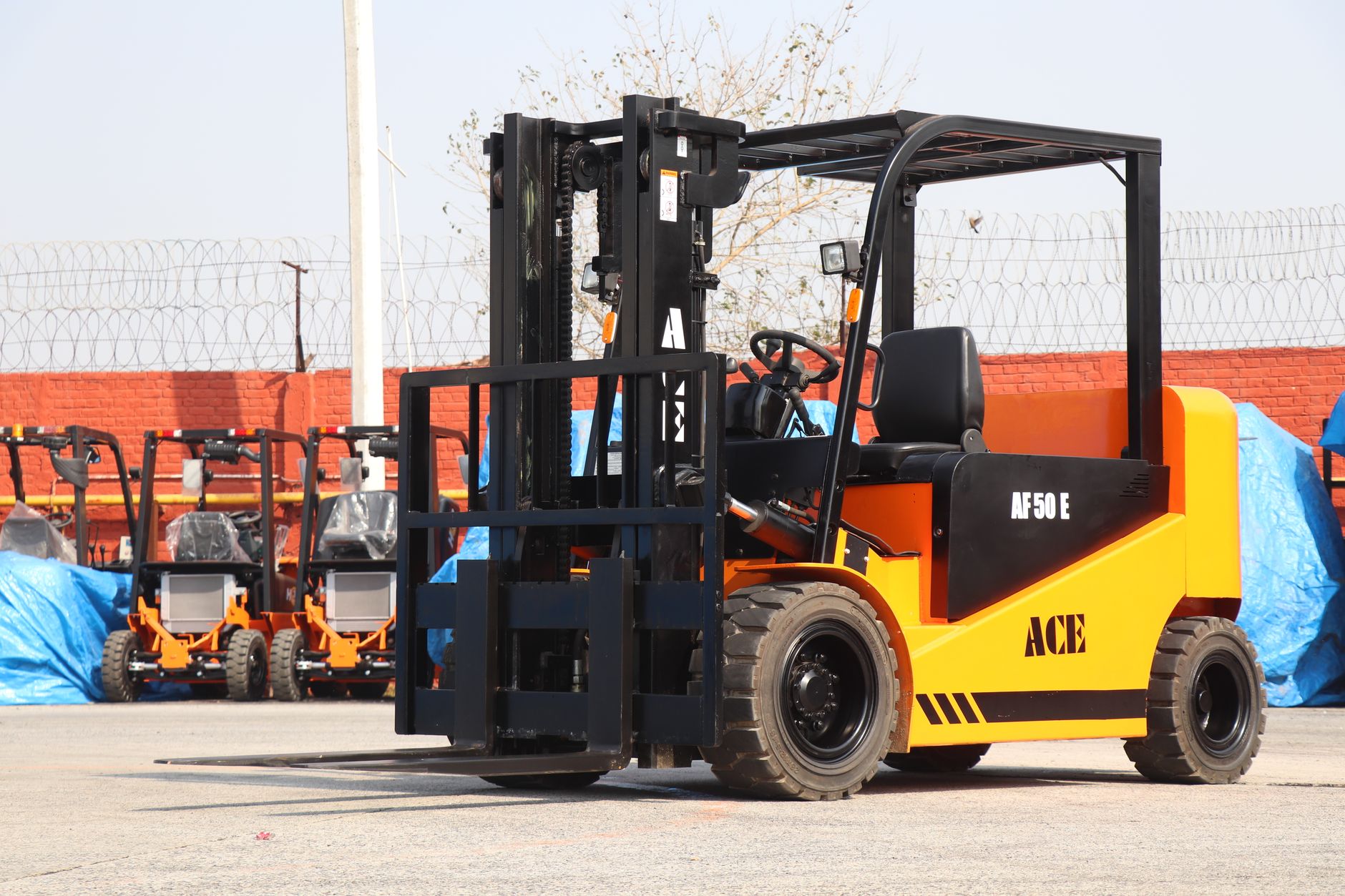
For businesses that rely on material handling equipment, the decision between buying and renting a forklift isn’t always straightforward. Both options have their place, and understanding when each makes financial sense can save a business significant money over time.
Consider How Often You Actually Need One
If forklift use is occasional or seasonal, the cost of ownership — including maintenance, storage, and depreciation — often outweighs the benefit compared to simply arranging forklift hire whenever the need arises. Businesses frequently overestimate how much use they’ll get out of owning equipment that ends up sitting idle for long stretches.
Avoiding Maintenance Headaches
Owning equipment means owning its upkeep too. Regular servicing, unexpected repairs, and the logistics of keeping a machine in working order all fall on the business. Renting shifts much of that responsibility elsewhere, which can be a meaningful relief for smaller operations without dedicated maintenance staff.
Flexibility for Changing Needs
Businesses evolve, and equipment needs change along with them. A rented forklift can be swapped for a different model or capacity as requirements shift, whereas owned equipment locks a business into whatever specifications were right at the time of purchase, potentially for years.
Cash Flow Considerations
Purchasing equipment outright ties up capital that might be better used elsewhere in the business. Rental arrangements typically spread costs into predictable, manageable payments, which can be particularly valuable for businesses managing tight margins or seasonal cash flow fluctuations.
When Buying Still Makes Sense
None of this means renting is always the better choice. Businesses with consistent, heavy daily use often find that ownership becomes more cost-effective over a long enough timeline. The calculation really depends on frequency of use, available capital, and how predictable your equipment needs are likely to be.
Making the Right Call for Your Business
There’s no universal answer to the buy-versus-rent question, but taking an honest look at usage patterns, maintenance capacity, and cash flow priorities helps most businesses arrive at a decision that genuinely fits their situation rather than defaulting to whichever option seems more traditional.
Getting an Accurate Usage Estimate
Before making a decision either way, it’s worth tracking actual equipment usage for a period, rather than relying on rough guesses. Many businesses are surprised to find their real usage patterns look quite different from what they assumed, which can shift the calculation significantly in either direction once the numbers are actually in front of them, sometimes flipping what seemed like an obvious decision entirely.
Talking to a Rental Provider Directly
Even businesses leaning toward ownership can benefit from a conversation with a rental provider, since experienced providers can often give an honest, objective read on whether your specific usage pattern genuinely favors buying or renting, informed by what they see across many similar businesses.
Factoring in Storage and Space Constraints
Owned equipment needs somewhere to live when it’s not in use, and for businesses with limited warehouse or yard space, this can be a meaningful consideration that’s easy to overlook during the initial cost comparison. Renting removes this concern entirely, since equipment returns to the provider once the job is done.
Revisiting the Decision as Your Business Grows
The right answer today isn’t necessarily the right answer in a few years. As a business scales, usage patterns often shift enough to change the calculation, which is why it’s worth revisiting the buy-versus-rent decision periodically rather than treating it as settled permanently.
Considering Multi-Equipment Arrangements
Businesses that need more than one piece of material handling equipment at a time sometimes find that bundled rental arrangements offer better value than piecing together individual decisions for each machine. Discussing your full range of needs with a provider, rather than one equipment type at a time, can surface savings that wouldn’t be obvious otherwise.
A Decision Worth Revisiting Annually
Building a simple annual review of your equipment strategy, whether that’s a formal process or just a conversation among decision-makers, keeps the buy-versus-rent question from becoming a decision made once and never reconsidered, even as the business itself continues to evolve.
Making Peace With an Evolving Answer
There’s no shame in switching strategies as circumstances change. A business that rented for years before eventually buying, or vice versa, isn’t making a mistake — it’s simply responding sensibly to how its own operations have developed over time.
A Decision Grounded in Your Own Numbers
The businesses that get the most value from this decision are the ones who base it on their own actual data and priorities, rather than copying whatever approach a competitor happens to use, since no two operations have quite the same needs. Whichever way that data points, committing to a clear, well-reasoned approach beats indecision every time.