
What Causes Soot to Build Up Around a Furnace?
Soot buildup around a furnace is a common concern for many homeowners, often signaling underlying issues that can affect both indoor air quality and the efficiency of the heating system. Soot, a fine black powder composed mainly of carbon, forms when organic matter does not burn completely. Its presence around a furnace can indicate problems ranging from improper combustion to inadequate ventilation. Understanding the causes of soot accumulation is essential for maintaining a safe and comfortable home environment, as well as for preventing costly repairs and potential health risks associated with poor air quality.
Key factors behind furnace soot buildup
Incomplete Combustion and Its Effects
One of the primary reasons for soot accumulation around a furnace is incomplete combustion. When a furnace burns fuel, whether it is natural gas, oil, or propane, the process should ideally result in the complete conversion of fuel into carbon dioxide and water vapor. However, if the furnace is not receiving the correct mixture of fuel and air, the combustion process becomes inefficient. This inefficiency leads to the production of carbon particles, which manifest as soot. Factors such as a dirty or clogged burner, malfunctioning ignition system, or restricted airflow can all contribute to incomplete combustion. Over time, these carbon particles settle on surfaces near the furnace, including walls, floors, and vents, creating visible black stains. Not only does this indicate a problem with the furnace’s operation, but it can also reduce the system’s efficiency and increase energy costs. Regular maintenance and timely inspection are crucial to ensure that the combustion process remains clean and efficient, minimizing the risk of soot buildup.
The Role of Air Filters and Ductwork
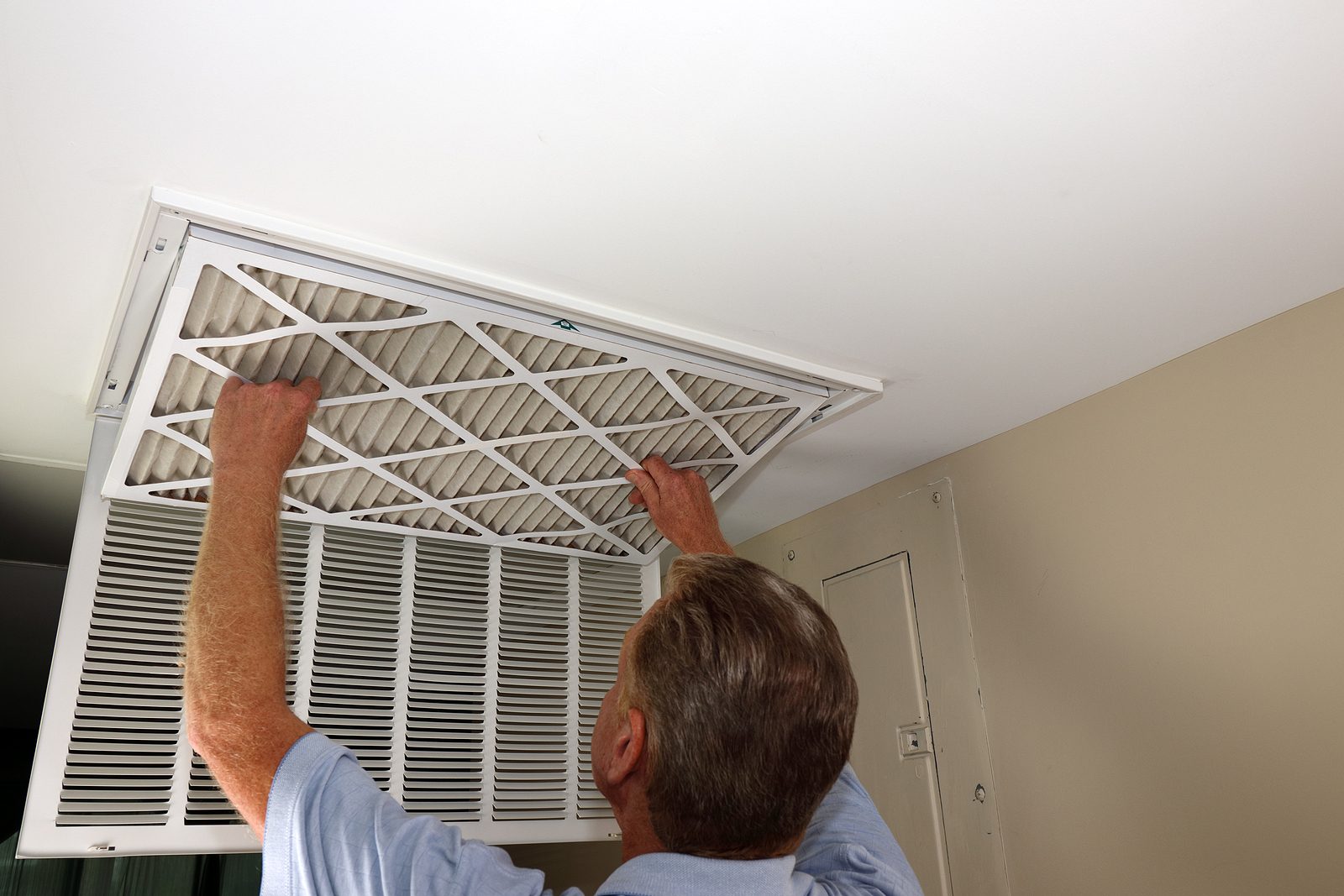
Air filters and ductwork play a significant role in the overall performance of a furnace and can directly impact the presence of soot. When air filters become clogged with dust, pet hair, and other debris, they restrict the flow of air into the furnace. This restriction can cause the furnace to work harder, leading to overheating and incomplete combustion, both of which contribute to soot formation. Additionally, dirty or leaky ductwork can allow soot particles to escape into living spaces, further exacerbating the problem. Homeowners in areas with high dust levels or frequent use of their heating systems should pay close attention to the condition of their air filters and ducts. Regularly replacing filters and having ductwork inspected and cleaned can help prevent the accumulation of soot and maintain the efficiency of the heating system. For those seeking reliable solutions, furnace repair henderson services can address these issues and help restore proper airflow and combustion.
Fuel Quality and Burner Condition
The quality of fuel used in a furnace and the condition of the burner are critical factors that influence soot production. Low-quality fuel, especially in oil-fired furnaces, often contains impurities that do not burn completely, resulting in higher levels of soot. Over time, these impurities can also cause deposits to form on the burner itself, further reducing combustion efficiency. A poorly maintained burner may develop cracks, corrosion, or misalignment, all of which can disrupt the proper mixing of fuel and air. This disruption leads to uneven burning and increased soot output. Regular inspection and cleaning of the burner, as well as using high-quality fuel, are essential steps in minimizing soot buildup. Homeowners should also be aware of any changes in the color or smell of the furnace exhaust, as these can be early indicators of fuel or burner problems that need to be addressed promptly to prevent further soot accumulation.
Ventilation and Chimney Issues
Proper ventilation is essential for the safe and efficient operation of any furnace. When a furnace is not adequately vented, combustion gases, including soot, can back up into the home rather than being safely expelled outside. Blocked or damaged chimneys and flues are common culprits in such situations. Birds’ nests, debris, or structural damage can obstruct the flow of exhaust gases, causing them to linger and deposit soot around the furnace area. In some cases, negative air pressure within the home can also draw combustion byproducts back into living spaces. Ensuring that chimneys and vents are clear and in good condition is vital for preventing soot buildup and maintaining indoor air quality. Homeowners should schedule regular inspections of their furnace’s ventilation system, especially before the start of the heating season, to identify and resolve any potential blockages or damage that could lead to soot problems.
Signs of Soot Buildup
Soot buildup around a furnace often appears as black streaks or powdery deposits on nearby walls, floors, or vents. Homeowners may also notice a persistent smoky odor or increased dustiness in the air. These signs indicate that the furnace is not operating efficiently and may require immediate attention to prevent further damage or health risks.
Preventing Soot Accumulation
Preventing soot buildup around a furnace involves a combination of regular maintenance, timely repairs, and attention to fuel quality. Scheduling annual inspections with a qualified technician can help identify and address issues such as dirty burners, clogged filters, or ventilation problems before they lead to significant soot accumulation. Homeowners should also be proactive in replacing air filters, monitoring fuel quality, and ensuring that chimneys and vents remain clear of obstructions. By taking these steps, it is possible to maintain a clean and efficient heating system, reduce energy costs, and protect indoor air quality. Addressing minor issues promptly can prevent more serious problems down the line, ensuring the longevity and reliability of the furnace.
Conclusion
Soot buildup around a furnace is more than just an unsightly nuisance; it is often a warning sign of underlying problems that can compromise the safety, efficiency, and comfort of a home. Factors such as incomplete combustion, poor fuel quality, clogged air filters, and inadequate ventilation all contribute to the formation and accumulation of soot. By understanding these causes and taking proactive steps to maintain the furnace and its components, homeowners can minimize the risk of soot-related issues. Regular inspections, timely maintenance, and attention to warning signs are essential for ensuring that the heating system operates safely and efficiently throughout the colder months. Taking these measures not only protects the furnace but also helps maintain a healthy indoor environment for everyone in the household.