
What Causes a Furnace Transformer to Fail?
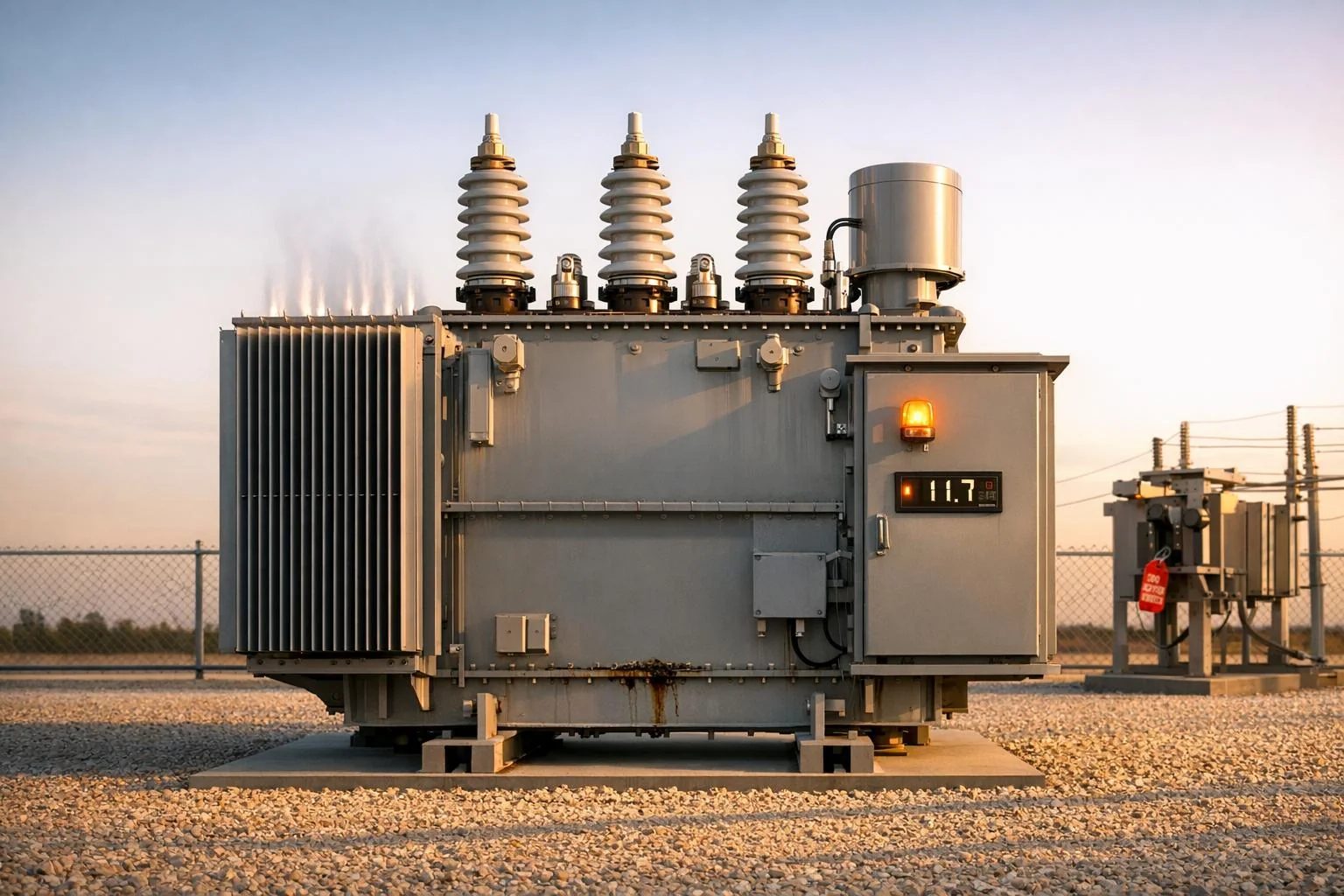
A furnace transformer is a crucial component in any heating system, responsible for converting incoming electrical voltage to the appropriate level needed for the furnace’s controls and ignition system. When this part fails, the entire furnace can stop working, leaving your home without heat during the coldest months. Understanding the reasons behind transformer failure can help homeowners recognize early warning signs and take preventive measures. This article examines the most common causes of furnace transformer failure, the symptoms to watch for, and what you can do to keep your heating system running smoothly and efficiently throughout the winter.
Key factors behind transformer failure
Electrical Surges and Power Issues
One of the most frequent causes of furnace transformer failure is electrical surges. These surges can occur due to lightning strikes, power outages, or fluctuations in the electrical grid. When a surge happens, the transformer may be exposed to a voltage much higher than it is designed to handle. This sudden influx of electricity can cause the internal windings to overheat, melt, or even burn out completely. Over time, repeated exposure to minor surges can weaken the transformer’s insulation and components, making it more susceptible to failure. Homeowners living in areas prone to storms or unstable power supplies should be particularly vigilant, as their systems are at higher risk. Installing surge protectors and ensuring proper grounding can help reduce the likelihood of transformer damage from electrical issues.
Overloading and Short Circuits
Another significant factor that can lead to transformer failure is overloading. This occurs when the transformer is forced to supply more current than it was designed for, often due to additional electrical devices being connected to the same circuit or a malfunction elsewhere in the furnace system. Overloading causes the transformer to work harder, generating excess heat that can degrade its internal components. Short circuits within the furnace wiring or connected devices can also send a sudden rush of current through the transformer, causing immediate and sometimes irreversible damage. In some cases, a short circuit may be the result of worn insulation, loose connections, or moisture infiltration. If you notice frequent tripping of circuit breakers or blown fuses, it may be a sign that your transformer is being overloaded or affected by a short circuit. Addressing these electrical issues promptly is essential to avoid the need for furnace repair and to maintain the safety and efficiency of your heating system.
Age and Wear of the Transformer
As with any mechanical or electrical component, furnace transformers are subject to wear and tear over time. The internal windings and insulation materials can degrade due to constant heating and cooling cycles, exposure to dust, and general aging. As the transformer ages, its efficiency decreases, and it becomes more vulnerable to failure from even minor electrical disturbances. Older transformers may also lack the improved materials and design features found in newer models, making them less resilient to stress. Regular maintenance and inspection can help identify signs of aging, such as unusual noises, overheating, or visible damage. Replacing an old transformer before it fails completely can prevent unexpected breakdowns and ensure your furnace continues to operate reliably.
Environmental Factors Affecting Transformers
Environmental conditions play a significant role in the longevity and performance of furnace transformers. Excessive moisture, for example, can lead to corrosion of the transformer’s metal components and create pathways for electrical shorts. Dust and debris accumulation inside the furnace cabinet can insulate heat around the transformer, causing it to run hotter than intended. In homes with high humidity or poor ventilation, these issues can be even more pronounced. Additionally, exposure to chemicals or fumes from household cleaning products or nearby appliances can degrade the transformer’s insulation and wiring. Ensuring that your furnace is installed in a clean, dry, and well-ventilated area can help minimize these environmental risks. Regular cleaning and inspection of the furnace area are simple steps that can extend the life of your transformer and prevent premature failure.
Recognizing Early Warning Signs
A failing furnace transformer often gives off warning signs before it stops working entirely. Homeowners may notice that the furnace is cycling on and off more frequently, or that it fails to start at all. Unusual humming or buzzing noises coming from the furnace cabinet can indicate that the transformer is struggling to operate. In some cases, you might detect a burning smell, which could signal overheating or electrical arcing within the transformer. Flickering thermostat displays or inconsistent heating performance are also potential indicators of transformer issues. Paying attention to these symptoms and seeking professional assessment at the first sign of trouble can help prevent more extensive damage to your furnace and avoid costly repairs.
Preventive Maintenance Tips
Routine maintenance is essential for keeping your furnace transformer in good working condition. Scheduling annual inspections with a qualified technician allows for early detection of potential problems, such as loose connections, worn insulation, or signs of overheating. Keeping the furnace area clean and free of dust and debris helps maintain proper airflow and cooling for the transformer. It is also important to check for signs of moisture or leaks near the furnace, as water can quickly damage electrical components. If your home is in an area prone to power surges, consider installing a whole-house surge protector to safeguard your heating system. By taking these preventive measures, you can significantly reduce the risk of transformer failure and ensure reliable heating throughout the colder months.
When to Replace a Furnace Transformer
Deciding when to replace a furnace transformer depends on several factors, including the age of the component, the frequency of issues, and the overall condition of your furnace. If your transformer is more than ten years old or has experienced multiple failures, replacement is often the most cost-effective solution. Persistent electrical problems, such as frequent tripping of breakers or recurring furnace shutdowns, may also indicate that the transformer is no longer functioning properly. Consulting with a heating professional can help determine whether repair or replacement is the better option for your specific situation. Investing in a new transformer can restore your furnace’s reliability and efficiency, providing peace of mind during the heating season.
The Role of Professional Diagnosis
A professional diagnosis is crucial when dealing with furnace transformer issues. Technicians have the tools and knowledge to safely test electrical components, identify the root cause of transformer failure, and recommend appropriate solutions. Attempting to diagnose or repair transformer problems without proper training can be dangerous and may result in further damage to your furnace or even personal injury. Relying on a qualified technician ensures that your heating system is repaired correctly and operates safely. Regular professional maintenance can also help catch potential transformer issues before they lead to a complete breakdown, saving you time and money in the long run.
Conclusion
Understanding the causes of furnace transformer failure is essential for maintaining a reliable and efficient heating system. Electrical surges, overloading, age, environmental factors, and lack of maintenance can all contribute to transformer problems. By recognizing early warning signs and taking preventive measures, homeowners can reduce the risk of unexpected breakdowns and costly repairs. Regular inspections and timely replacement of aging components help ensure that your furnace continues to provide consistent warmth throughout the winter. Prioritizing the health of your furnace transformer not only protects your comfort but also extends the life of your entire heating system.