
The Role of Technology in Building a Smarter World
Introduction to a Smarter World
The role of technology in modern society has grown far beyond convenience. It now shapes how we communicate, learn, travel, and even think. From the devices we carry in our pockets to the systems that run entire cities, technology is quietly building a smarter world around us.
A “smarter world” does not simply mean more gadgets or faster internet. It refers to a connected, efficient, and intelligent environment where data, automation, and innovation work together to improve everyday life. Whether it is healthcare becoming more precise or transportation becoming more efficient, technology plays a central role in this transformation.
As we move deeper into the digital age, understanding how technology contributes to this smarter world helps us see both its benefits and responsibilities.
How Technology Improves Daily Life
Technology has seamlessly integrated into daily routines, often in ways people no longer notice. Simple tasks like ordering food, navigating traffic, or communicating with loved ones across the globe have become easier and faster.
Smartphones, apps, and cloud-based services allow people to manage their schedules, finances, and even health with minimal effort. For example, digital payment systems reduce the need for cash, while smart home devices automate lighting, security, and temperature control.
Education has also been transformed. Students now have access to vast online resources, virtual classrooms, and interactive learning tools. This not only makes learning more accessible but also more personalized.
In essence, technology reduces friction in daily life. It saves time, increases convenience, and allows people to focus more on meaningful activities rather than repetitive tasks. For more information visit techpora.
The Rise of Smart Cities
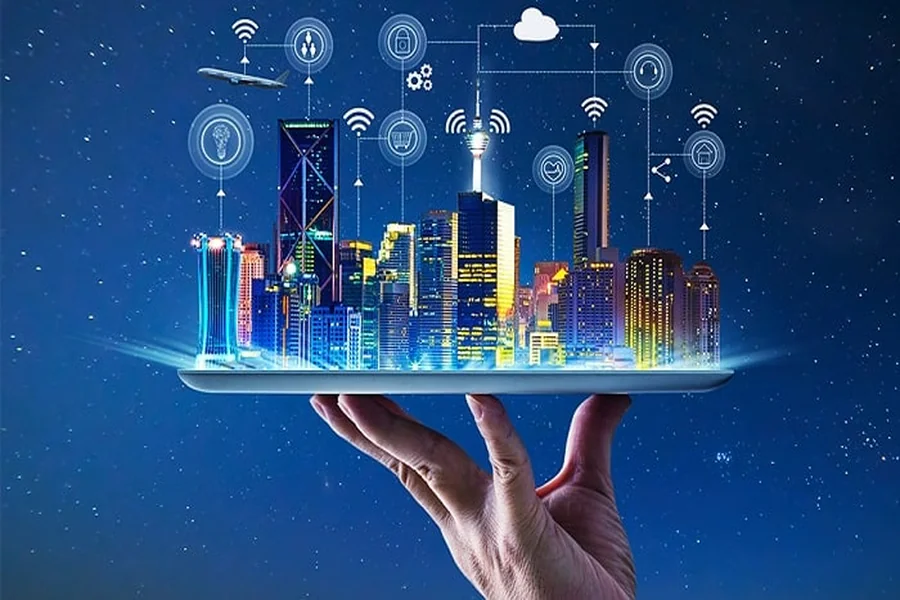
One of the most visible examples of a smarter world is the development of smart cities. These cities use technology and data to manage resources more efficiently and improve the quality of life for residents.
Traffic management systems use real-time data to reduce congestion. Smart sensors monitor air quality and energy usage, helping governments make better decisions. Waste management systems can even signal when bins are full, optimizing collection routes.
Public services also benefit. Emergency response systems become faster and more accurate, while digital platforms allow citizens to access services without long queues or paperwork.
Smart cities are not just about infrastructure; they are about creating environments that adapt to people’s needs. As urban populations grow, these technologies become essential for sustainable living.
Technology in Healthcare and Well-being
Healthcare is one of the most impactful areas where technology is making a difference. Advanced medical equipment, telemedicine, and data analytics are transforming how diseases are diagnosed and treated.
Patients can now consult doctors remotely, reducing the need for hospital visits. Wearable devices track heart rate, sleep patterns, and physical activity, giving individuals better control over their health.
Artificial intelligence is also helping doctors detect diseases earlier and more accurately. This leads to faster treatment and better outcomes. In many cases, technology is not just improving healthcare—it is saving lives.
Mental health support has also expanded through digital platforms. Online counseling and wellness apps provide access to help that might otherwise be difficult to obtain.
Overall, technology is making healthcare more accessible, efficient, and personalized.
The Impact on Work and Productivity
Workplaces have undergone a massive transformation due to technology. Remote work, digital collaboration tools, and automation have changed how people approach their jobs.
Employees can now work from anywhere, collaborate in real time, and access information instantly. This flexibility increases productivity and allows for a better work-life balance.
Automation is handling repetitive tasks, allowing workers to focus on creativity and problem-solving. While some fear job loss due to automation, it also creates new opportunities in fields like data analysis, software development, and digital marketing.
Businesses benefit from improved efficiency, reduced costs, and faster decision-making. At the same time, workers need to continuously adapt and learn new skills to stay relevant in this evolving environment.
Challenges and Ethical Considerations
Despite its many benefits, the role of technology in building a smarter world comes with challenges. Privacy concerns, data security, and digital inequality are major issues that need attention.
As more data is collected, protecting personal information becomes critical. Cybersecurity threats continue to grow, making it essential for both individuals and organizations to stay vigilant.
There is also the issue of access. Not everyone has equal access to technology, which can widen the gap between different communities. Bridging this digital divide is crucial for ensuring that the benefits of a smarter world are shared by all.
Ethical concerns around artificial intelligence and automation also arise. Questions about decision-making, bias, and accountability must be addressed to ensure that technology is used responsibly.
A smarter world must also be a fair and inclusive one.
Final Thought
The role of technology in building a smarter world is undeniable. It is transforming how we live, work, and interact with the world around us. From smarter cities to advanced healthcare and more efficient workplaces, the impact is everywhere.
However, progress must be balanced with responsibility. As technology continues to evolve, it is important to ensure that it serves humanity in a positive and inclusive way.
A truly smarter world is not just about innovation—it is about using that innovation to create better opportunities, stronger communities, and a more sustainable future for everyone.