
How to Choose the Right Acne Treatment in Vancouver
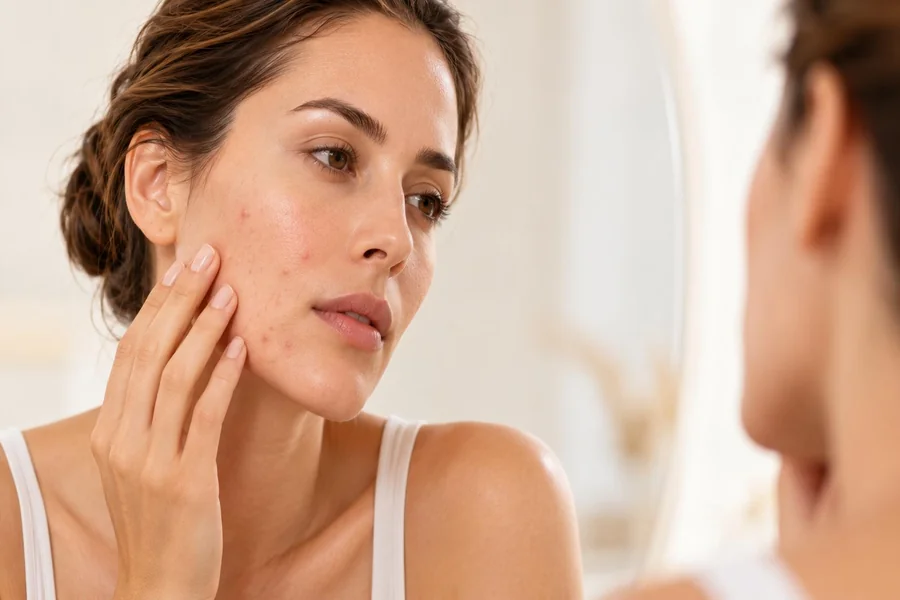
Acne can affect much more than the appearance of your skin. Persistent breakouts, clogged pores, painful blemishes, and acne scars can influence confidence and make everyday skincare frustrating. Finding an effective solution is not always straightforward because acne develops differently from person to person.
Vancouver residents have access to a wide range of skincare clinics, dermatology services, and professional cosmetic treatments. However, choosing the right option requires more than selecting a popular procedure or purchasing an expensive skincare product. The best approach depends on your acne type, skin sensitivity, medical history, and long-term skincare goals.
Understanding the available treatments and knowing what to look for in a qualified skincare professional can help you make a more informed decision and avoid unnecessary irritation or expenses.
1. Understand Your Acne Type Before Choosing a Treatment
The first step toward managing acne is identifying the type of breakouts you experience. Different forms of acne respond to different treatments, so understanding your skin condition can prevent you from choosing an unsuitable solution.
Comedonal acne typically appears as blackheads and whiteheads. It develops when pores become blocked with oil and dead skin cells. Salicylic acid and topical retinoids may help clear clogged pores and reduce new blockages.
Inflammatory acne includes red pimples, pustules, and tender bumps. These breakouts often involve inflammation and bacteria. Treatments containing benzoyl peroxide or prescription medications may be recommended depending on their severity.
Cystic and nodular acne is generally more severe. It can cause deep, painful lumps beneath the skin and may leave permanent scars. Over-the-counter products are often insufficient for this type of acne, making professional medical assessment important.
Some people also experience hormonal acne, which frequently appears around the chin, jawline, and lower cheeks. Hormonal fluctuations can contribute to recurring breakouts, particularly in adults.
Recognizing these differences gives you a clearer starting point when discussing treatment options with a skincare professional.
2. Look for a Professional Acne Treatment Approach
Choosing a suitable clinic is an important part of your skincare journey. While online recommendations and customer reviews can help narrow your options, professional assessment should remain a priority.
When comparing options for acne treatment in Vancouver, consider how different clinics assess skin concerns and recommend suitable treatments. The Vancouver Aesthetician, for example, offers acne-focused facials and treatments that address concerns such as clogged pores, excess oil, and inflammation, with treatment options selected according to individual skin needs.
Pay attention to how a clinic handles consultations. A good consultation should cover your current skincare routine, previous treatments, allergies, skin sensitivity, and the frequency and severity of breakouts.
It is also worth checking the qualifications of the person performing your treatment. Dermatologists, physicians, and skincare professionals have different training and scopes of practice. Make sure the provider is appropriately qualified for the specific service you are considering.
A personalized treatment plan is generally more useful than choosing a procedure simply because it is popular or heavily advertised.
3. Consider Topical Treatments for Mild to Moderate Acne
Topical skincare products are often the starting point for treating mild and moderate acne. They are applied directly to the affected areas and can help address clogged pores, excess oil, inflammation, and acne-causing bacteria.
Salicylic acid is a common ingredient in acne skincare. It helps exfoliate inside the pores and can be particularly useful for blackheads and whiteheads. People with oily or congested skin may benefit from incorporating it into a carefully planned routine.
Benzoyl peroxide works differently. It reduces acne-causing bacteria and helps control inflammatory breakouts. Lower concentrations may be sufficient for many people, although dryness, peeling, and irritation are possible.
Retinoids, including adapalene, help regulate skin cell turnover and prevent clogged pores. They are frequently recommended for comedonal and inflammatory acne. Because they can cause initial irritation, gradual introduction and appropriate moisturization are important.
Azelaic acid is another option, particularly for people who experience acne alongside post-inflammatory dark marks. It can help reduce inflammation and improve uneven skin tone.
Avoid introducing several strong active ingredients simultaneously. Start with one treatment, follow the product instructions, and give your skin enough time to adjust. Most acne treatments require several weeks of consistent use before meaningful improvements become visible.
4. Explore Professional Facials and Skin Treatments
Professional skincare treatments may complement a home routine, particularly when dealing with congestion, uneven texture, and certain forms of superficial acne.
However, not every facial is suitable for acne-prone skin. The treatment should be selected according to the condition and sensitivity of your skin.
Acne-focused facials: These treatments may include gentle cleansing, exfoliation, and carefully selected skincare products. They can help improve surface congestion, although they should not replace medical treatment for moderate or severe acne.
Chemical peels: Superficial chemical peels containing salicylic or glycolic acid may improve clogged pores and uneven skin texture. The concentration and frequency should be selected by a qualified professional.
Hydrafacial-style treatments: These procedures combine cleansing, exfoliation, and hydration. They may help improve the appearance of congested skin, but results vary and they are not a standalone cure for acne.
LED light therapy: Certain forms of blue and red light therapy are used in acne-focused skincare. Blue light targets acne-associated bacteria, while red light may help address inflammation. Evidence and results vary, so discuss realistic expectations before starting.
People with painful cysts, active infections, or significant inflammation should seek medical advice before undergoing cosmetic procedures. Aggressive exfoliation and unnecessary extractions can worsen irritation and potentially increase the risk of scarring.
5. Know When Prescription Medication May Be Necessary
Some acne conditions require medical treatment rather than cosmetic skincare procedures. If breakouts are widespread, painful, persistent, or leaving scars, consulting a dermatologist can help you identify more effective options.
Prescription treatments may include topical retinoids, topical antibiotics, oral antibiotics, and hormonal medications. The appropriate choice depends on the type and severity of acne, individual medical circumstances, and previous treatment results.
For moderate inflammatory acne, a doctor may recommend a limited course of oral antibiotics alongside topical medication. Combining treatments that target different causes of acne can improve results while helping reduce antibiotic resistance. Antibiotics should not generally be used alone or indefinitely.
Canadian Dermatology Association+1
For severe nodular or cystic acne, isotretinoin may be considered. It is a powerful prescription medication that can significantly improve severe acne, particularly when other treatments have failed or scarring is developing. However, it requires medical supervision because of its potential side effects and strict pregnancy-related precautions.
Hormonal treatments may also be appropriate for certain adults experiencing recurring hormonal breakouts. A healthcare professional can determine whether these options are suitable based on individual circumstances.
Avoid purchasing prescription acne medications without proper medical guidance. A treatment that works well for one person may create unnecessary risks for another.
6. Choose Treatments That Address Acne Scars and Dark Spots
Active acne and acne scars are two different concerns. Some people successfully control their breakouts but continue to experience dark marks, uneven texture, and depressed scars.
Post-inflammatory hyperpigmentation refers to dark spots that remain after an acne lesion heals. These marks are particularly noticeable in people with medium to darker skin tones. They may gradually fade, although the process can take several months.
Azelaic acid, retinoids, and carefully selected exfoliating ingredients may help improve uneven pigmentation. Daily sunscreen is also important because UV exposure can make discoloration more noticeable.
Depressed acne scars require a different approach. Depending on their depth and appearance, treatment options may include microneedling, laser resurfacing, chemical peels, and subcision.
Raised scars may require other medical interventions. A dermatologist can assess the scar type and recommend an appropriate treatment plan.
It is generally better to control active acne before investing heavily in scar treatments. Continuing to develop new breakouts can undermine the results of cosmetic procedures and create additional marks.
Canadian Dermatology Association+1
7. Check Whether the Treatment Suits Your Skin Sensitivity
A treatment that produces good results for someone with oily skin may be unsuitable for someone with dry or sensitive skin.
Before choosing an acne procedure or skincare product, consider how your skin reacts to active ingredients. Excessive exfoliation, strong cleansers, and frequent treatments can damage the skin barrier, causing redness, dryness, and increased sensitivity.
People with sensitive skin may benefit from introducing active ingredients gradually and using a gentle cleanser alongside a fragrance-free moisturizer.
If you are considering a chemical peel or professional exfoliation, discuss your skin sensitivity and history of pigmentation before proceeding. This is particularly important for people who develop dark marks easily after inflammation or irritation.
Avoid combining multiple aggressive treatments without professional advice. A simpler routine that you can maintain consistently is often more useful than an extensive collection of products.
8. Evaluate the Clinic’s Transparency, Safety, and Pricing
The cost of acne treatment in Vancouver can vary depending on the provider, treatment method, number of sessions, and complexity of your skin concerns.
Before committing to a treatment package, ask for a clear explanation of the expected costs. Find out whether the consultation, follow-up appointments, skincare products, and additional sessions are included in the quoted price.
It is equally important to understand the potential risks and realistic outcomes. No reputable provider should promise completely clear skin within a guaranteed number of days.
Look for a clinic that explains its procedures, uses appropriate hygiene practices, and provides clear aftercare instructions. Ask who will perform the treatment and what qualifications they hold.
You should also feel comfortable asking questions about alternative treatments. If a provider recommends an expensive procedure without properly assessing your skin, consider seeking another professional opinion.
A transparent consultation can help you avoid unnecessary expenses and make decisions based on your actual skincare needs.
9. Build a Consistent Skincare Routine After Treatment
Professional treatments can help improve specific skin concerns, but maintaining the results requires a consistent daily routine.
A practical acne-friendly skincare routine does not need to involve numerous products. Focus on a few essentials that support healthy skin and complement your professional treatment plan.
In the morning, use a gentle cleanser, an appropriate moisturizer, and broad-spectrum sunscreen with SPF 30 or higher. Choose products labelled non-comedogenic to reduce the likelihood of clogged pores.
In the evening, cleanse your face to remove accumulated oil, sunscreen, and impurities. Apply your prescribed or selected acne treatment according to its instructions, followed by moisturizer.
Avoid touching, squeezing, or picking pimples. This can increase inflammation and raise the risk of permanent scarring.
Give your skincare routine enough time to work. Many acne treatments need six to eight weeks or longer before noticeable improvements appear. If your skin becomes excessively irritated or your acne continues worsening, consult your healthcare provider rather than repeatedly switching products.
Canadian Dermatology Association+1
Make an Informed Decision for Healthier Skin
Choosing the right acne treatment involves understanding your skin, identifying the cause and severity of your breakouts, and selecting an approach that addresses your specific concerns.
Whether you need an everyday skincare routine, professional facial treatments, prescription medication, or acne scar management, prioritize safety and realistic expectations.
Take time to research Vancouver skincare providers, compare their qualifications, and ask questions during your consultation. Most importantly, remember that effective acne management is a gradual process. Consistency, professional guidance, and an appropriate treatment plan can help you achieve healthier-looking skin over time.
Name: The Vancouver Aesthetician
Address: 658 Homer St #410, Vancouver, BC V6B 2R4, Canada
Phone: +1 604-332-6662