
Sustainable Construction: How to Manage Job Site Debris Efficiently
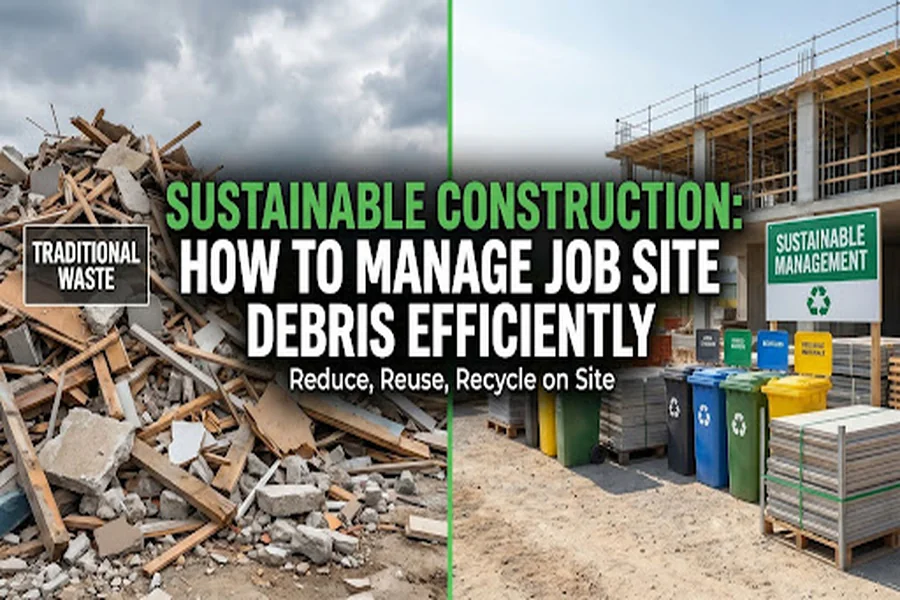
The construction industry generates massive amounts of waste daily. This debris impacts our environment and your project budget. Modern builders must prioritize efficient waste management strategies. Sustainable construction focuses on reducing, reusing, and recycling site materials. You can transform your job site into a model of efficiency. This guide explores the best practices for handling construction debris responsibly.
The Vital Importance of Waste Management Plans
Every successful project begins with a detailed waste management plan. You must outline how to handle every scrap of material. Identify which materials you can recycle versus landfill items. Setting clear goals helps your team stay focused on sustainability. Accurate planning prevents unnecessary surplus material orders at the start. Digital tools can help you track waste production in real-time. This documentation is essential for green building certifications like the U.S. Green Building Council LEED standards.
Prioritizing the Reuse of Salvageable Materials
Many items discarded on sites still hold significant value. You should inspect debris for potential reuse in future projects. Salvage timber, bricks, and metal fixtures whenever it is possible. Reusing materials lowers your overall procurement costs significantly. You can also donate usable leftovers to local non-profit organizations. This practice keeps functional items out of the local landfill. It also builds a positive reputation for your construction firm.
Choosing Reliable Sustainable Disposal Partners
Partnering with the right waste hauler is a critical decision. You need a vendor who prioritizes recycling over simple dumping. Ask for detailed reports on where your debris goes. High-quality partners provide diversion rates for your sustainability records. They should offer various container sizes to fit your site. Verify that they follow all local and federal environmental regulations. Transparency in the waste chain ensures true project sustainability.
Reducing Material Waste Through Precision Ordering
Efficiency starts long before the first shovel hits the ground. You must calculate material needs with extreme precision and care. Over-ordering leads to excess waste and lost company profits. Work closely with suppliers to minimize bulky packaging materials. Request “just-in-time” deliveries to avoid site damage to materials. Properly stored inventory remains usable for its intended purpose. Preventing waste is always better than managing it later.
Training Your Crew on Sustainable Best Practices
Your workforce is the backbone of any green initiative. You must educate every worker on the waste plan. Use toolbox talks to reinforce the importance of sorting. Explain how proper debris management ensures a safer job site. Incentivize teams that meet or exceed recycling targets consistently. Clear communication eliminates confusion regarding which bin to use. A dedicated crew makes the entire process run smoothly.
Implementing On-Site Sorting Systems Early
Sorting waste at the source is the most effective method. You should set up clearly labeled bins for different materials. Separate wood, metal, concrete, and plastic into dedicated containers. This prevents cross-contamination of valuable recyclable goods. Mixing debris often leads to higher disposal fees at facilities. Workers find it easier to follow a well-organized system. Strategic bin placement reduces the time spent moving heavy debris. Professional services like Waste Removal USA provide the exact containers needed for site organization.
The Financial Benefits of Green Debris Management
Sustainable practices actually save your business significant amounts of money. Recycling centers often charge lower fees than traditional landfills. Reusing materials directly reduces your new inventory purchase costs. Efficient sites require fewer hauls, lowering fuel and labor expenses. Many clients now specifically seek out environmentally conscious contractors. You gain a competitive edge in the modern marketplace. Sustainability is a smart financial investment for your future.
Utilizing Advanced Technology for Debris Tracking
Modern software makes managing site debris much more manageable. Use mobile apps to log every dumpster pick-up instantly. These tools provide instant data on your total waste output. You can identify which phases of construction create most waste. This data allows you to refine your future bidding process. Technology bridges the gap between site reality and office goals. Stay ahead of the curve by embracing digital waste solutions.
Handling Hazardous Waste with Extreme Care
Not all construction debris is harmless or easily recyclable. You will encounter lead, asbestos, or chemical solvents occasionally. These materials require specialized handling and disposal procedures immediately. Never mix hazardous waste with general construction or demolition debris. Train your staff to identify dangerous substances on sight. Use certified professionals for the removal of toxic materials. Protecting the environment means managing every type of risk.
Optimizing Site Layout for Debris Movement
The physical layout of your site dictates your efficiency. Place waste stations near the primary work zones always. This minimizes the distance workers must carry heavy materials. Ensure that hauling trucks have easy access to bins. Avoid blocking pathways with piles of unorganized debris. A clean site is a more productive and safe environment. Logical flow prevents bottlenecks during the busiest construction phases.
Collaborating with Architects for Better Design
Sustainable waste management begins during the initial design phase. Architects can specify standard material sizes to reduce off-cuts. Modular construction techniques significantly lower the volume of site waste. Encourage the use of recycled-content materials in the specifications. Design for deconstruction allows for easier material recovery later. Early collaboration sets the stage for a greener project. Your input as a builder is invaluable to designers.
Monitoring Progress and Adjusting Your Strategy
You should review your waste data on a weekly basis. Compare your actual results against your initial project goals. If recycling rates drop, investigate the cause immediately. Adjust bin placement or labeling if you notice errors. Continuous improvement is the hallmark of a great builder. Share your success stories with your clients and stakeholders. Regular audits keep the entire team accountable and motivated.
The Future of Sustainable Construction Debris
The industry is moving toward a circular economy model. Waste is becoming a valuable resource for new products. Innovations in recycling technology expand what we can process. Governments are implementing stricter regulations on construction waste disposal. Staying proactive prepares your business for these inevitable changes. Sustainable debris management is no longer just an option. It is the new standard for professional construction excellence.
Conclusion: Taking Action for a Greener Site
Efficient debris management requires consistent effort and clear vision. You must lead your team with a strong commitment. Start with a plan and follow through diligently. Utilize technology to track your environmental and financial gains. Every recycled beam contributes to a healthier global planet. Your site can lead the way in sustainable building. Start optimizing your construction waste management processes today. Success lies in the small details of daily operations.