
How to Incorporate Full-Spectrum Color-Tunable Lighting Into Everyday Life
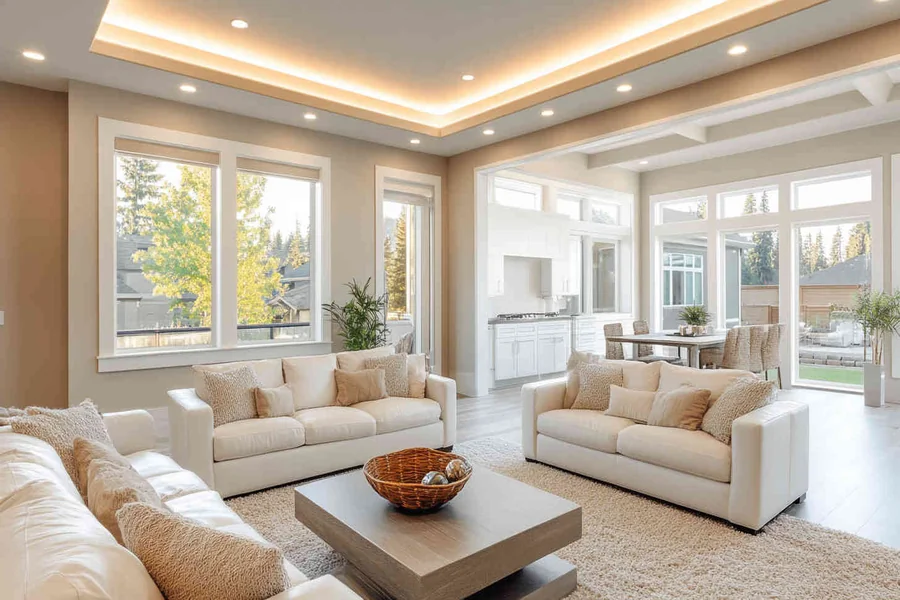
Full-spectrum color-tunable lighting can completely change how a room feels throughout the day. Instead of relying on one flat setting from morning to night, this type of lighting allows you to adjust color, brightness, and atmosphere based on what you are doing. It can help a room feel bright and energizing in the morning, balanced and focused during the day, warm and relaxed in the evening, and more dramatic when guests arrive. When a space is planned with the right scenes, controls, and fixture placement, illuminated lighting design services can turn everyday rooms into settings that feel ready for work, rest, hosting, and everything in between.
The beauty of full-spectrum color-tunable lighting is that it does not need to feel complicated. In a well-planned home, the technology stays quietly in the background. You tap a scene, use a wall control, or let a schedule do the work, and the room shifts to match the moment. That is what makes this lighting style so useful for daily routines. It is not just about color. It is about making a home feel more comfortable, more personal, and more responsive to the way people actually live.
What full-spectrum color-tunable lighting really means
Full-spectrum color-tunable lighting gives you more control than a standard bulb or basic dimmer. It allows light to move across a wider range of whites and colors, so a room can feel crisp, soft, warm, cool, playful, calm, or dramatic depending on the scene. This can be especially helpful in spaces where one type of light never feels quite right all day long.
A regular light fixture usually gives you one color temperature. It may be warm, neutral, or cool, but once it is installed, the feel is mostly fixed. Tunable white lighting gives more flexibility by letting you move between warm and cool white tones. Full-spectrum color-tunable lighting goes further by adding a broader range of color options while still giving you high-quality white light for normal daily use.
This is an important distinction because many people hear “color lighting” and immediately think of bright party colors or novelty effects. Full-spectrum lighting can do that when desired, but its real value is often much more subtle. It can bring out texture in stone, add depth behind shelving, soften the mood in a lounge area, or make a dining space feel more intimate without changing the entire room.
It also works well when paired with other design elements that control brightness and glare. Natural light can be beautiful, but it changes constantly throughout the day. Layering artificial light with window treatments can help a room feel more balanced, especially when paired with durable and practical fabric blinds that soften harsh daylight without making the space feel closed off.
In other words, full-spectrum color-tunable lighting is less about showing off technology and more about creating a home that feels better at every hour. The best systems are designed around real routines, not random color choices. That is where thoughtful planning makes the biggest difference.
Start the morning with brighter, cleaner light
Morning lighting should help a home feel awake without feeling harsh. A cooler or more neutral white can make kitchens, bathrooms, dressing areas, and home offices feel fresher at the start of the day. This can be especially helpful in rooms where people are getting ready, preparing breakfast, reading, or moving from sleep into a productive morning.
The goal is not to flood every space with intense light. It is to create a brighter environment that feels clear and comfortable. A morning scene may bring recessed fixtures up to a higher brightness level, keep accent lighting soft, and use a clean white tone that makes the room feel open and alert.
In a kitchen, this might mean brighter light over prep areas while softer lighting remains near seating. In a dressing space, it could mean a more neutral tone that helps colors appear more accurate. In a hallway, it may simply mean enough light to move easily without feeling overwhelmed first thing in the morning.
This is where preset scenes are useful. Instead of adjusting several fixtures one by one, a morning scene can set the room instantly. The lighting feels intentional, but the daily experience stays simple.
Create a more focused work-from-home setting
For daytime work, lighting needs to support concentration without making the room feel cold or clinical. Full-spectrum color-tunable lighting can help create a balanced setting for reading, video calls, computer work, creative tasks, or household planning. The right daytime scene can reduce the feeling of dimness in a room while still keeping it comfortable for long periods.
A work scene often uses a neutral white tone with enough brightness to keep the space feeling active. It may also limit bold colors, since strong color effects can become distracting during focused tasks. Instead, subtle layers can be used to give the room depth. For example, recessed lighting can provide general brightness while a softer accent layer adds warmth around shelves, walls, or architectural details.
This approach is especially helpful in multipurpose rooms. A living area may need to function as a workspace during the day, a family room in the evening, and a hosting area on weekends. With tunable lighting, the same room can shift purpose without needing a full redesign.
The key is to think in moments rather than fixtures. Instead of asking, “What color should this light be?” it is better to ask, “What should this room help me do right now?” That question leads to better lighting scenes and a more natural daily experience.
Ease into the evening with warmer tones
As the day winds down, lighting should usually become softer, warmer, and less intense. Full-spectrum color-tunable lighting makes that transition easier because the room can gradually move away from bright daytime tones into a calmer evening setting. This can make living rooms, bedrooms, dining areas, and media spaces feel more relaxing.
Warm white light is often more flattering and comfortable in the evening. It creates a gentle atmosphere without making the room feel too dark. Accent lighting can also become more important at this time of day. A backlit surface, softly lit shelf, or low-level pathway light can add enough visibility while keeping the room calm.
For dinner, a warmer scene can make the table feel more inviting. For reading, the lighting may stay warm but slightly brighter near a chair or bedside area. For watching a movie, the main lights can dim while background lighting remains low enough to add comfort without causing glare.
The best part is that these changes can be easily controlled. A homeowner should not need to open several apps or adjust every zone manually. A good system should offer simple scenes that feel natural: evening, dinner, movie, relax, or night. The names do not need to be technical. They just need to match real life.
Add personality when entertaining
Full spectrum color tunable lighting can be especially fun when entertaining, but it should still feel tasteful. A hosting scene does not need to turn the whole home into a nightclub. In many cases, the best approach is to keep the main lighting warm and flattering while using color in smaller doses.
Color works beautifully as an accent. It can highlight a bar area, add a glow behind stone or glass, bring energy to an outdoor seating area, or create a soft backdrop behind artwork or millwork. The effect should feel intentional, not random. A little color in the right place can make the entire space feel more memorable.
Entertaining scenes can also be adjusted for different moods. A quiet dinner may call for warm, low lighting with just a hint of accent color. A larger gathering may use brighter ambient light, stronger highlights, and more playful tones. A late-night setting may bring everything down to a softer glow.
This is where full-spectrum lighting becomes more than a convenience. It gives the home personality. It allows the atmosphere to change without moving furniture, changing decor, or adding temporary decorations. The lighting becomes part of the experience.
Use lighting to highlight design details
Full-spectrum color-tunable lighting is not only useful for routines. It can also bring attention to the details that make a home feel custom. Textured walls, stone surfaces, built-in shelving, ceiling details, artwork, and architectural features can all look more impressive when the lighting is designed around them.
The direction of light matters just as much as the color. A surface lit from the wrong angle may look flat, while the same surface lit properly can reveal depth and texture. Tunable light adds another layer of flexibility because the tone can be adjusted depending on the material and the mood.
For example, warm light may make wood feel richer, while a cleaner white may bring out the detail in stone. A subtle color accent can add drama behind a feature wall without overpowering the room. The goal is not to make every feature compete for attention. It is to create balance, hierarchy, and atmosphere.
A well-designed lighting plan considers how each layer works together. General lighting helps people move through the room. Task lighting supports specific activities. Accent lighting adds character. Full-spectrum control allows those layers to shift throughout the day.
Make the controls simple enough to use every day
Even the most advanced lighting system can become frustrating if the controls are confusing. Full-spectrum color-tunable lighting should feel easy, not overwhelming. The best setups use simple presets, clear scene names, and convenient controls placed where people naturally need them.
A wall keypad, smart control, or voice command can make daily use much easier. But the real success comes from designing the scenes properly from the beginning. If the lighting scenes match daily habits, people are more likely to use them. If the system feels too complicated, they may end up using only one setting.
This is why planning matters before installation. It helps to think through how each room is used in the morning, during the day, in the evening, and when guests come over. From there, lighting scenes can be designed to match those routines.
A good lighting system should feel almost invisible. You should notice how comfortable the room feels, not how much effort it took to get there.
Bring everyday life into a better light
Full-spectrum color-tunable lighting is one of the most flexible ways to make a home feel more comfortable and personal. It can support a brighter morning, a more focused workday, a softer evening, and a more engaging atmosphere when entertaining. It can also bring out the beauty of architectural details and help every room feel more intentional.
The most successful lighting plans are built around real life. They consider how people move, work, relax, gather, and unwind. When the system is designed around those moments, full-spectrum lighting becomes more than a feature. It becomes part of the way the home feels every day.
With the right planning, full-spectrum color-tunable lighting can make ordinary routines feel smoother, warmer, and more enjoyable. It gives every room the chance to change with the day, match the mood, and create an atmosphere that feels completely your own.