
Design-Build, Design First: Why the Order Matters More Than You Might Think
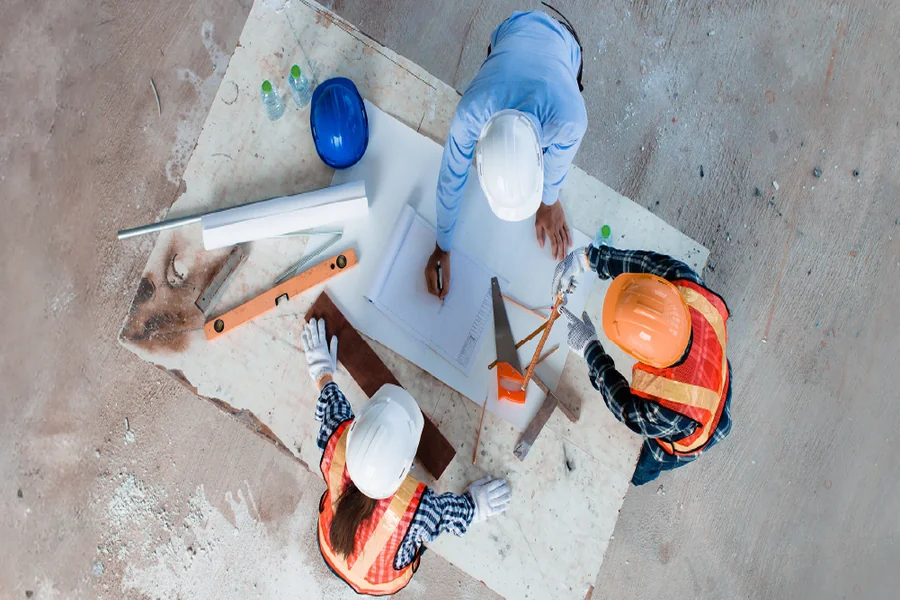
If you’ve been looking into the benefits of design-build, you’ve probably noticed a familiar pattern.
A lot of firms talk about design-build, but many still lead with construction. Design gets treated as the early step you rush through so the “real” work can begin. That sounds practical at first, but it can create problems later. When the project is sold before the vision is fully developed, homeowners can end up making major choices under pressure. The layout, finishes, flow, furnishings, lighting, and everyday feel of the home all deserve attention before anyone starts tearing into walls. That is where a design-first approach changes the experience. It gives the project a stronger foundation, helps prevent surprises, and creates a home that feels intentional from the start. It also leaves room for the details that make a space personal, from room function to seasonal home decor ideas that feel connected to the finished design rather than added on later.
We take the opposite view from the construction-first mindset. Design should not be a quick prelude to building. It should be the strategy behind the entire project. When design leads, every choice has a reason. The floor plan supports the way you live. The selections work together. The construction team understands the finished goal before work begins. Instead of reacting to issues in the field, the team is working from a clear and thoughtful plan.
That does not mean the design phase becomes unrealistic or disconnected from the budget. A strong design-first process keeps creativity and practicality in the same conversation. Beautiful ideas still need to be buildable. Smart construction planning still needs to support the look and feel of the home. The best results happen when both sides inform each other early.
In this article, we’ll walk through how design-build works, why the order matters, and why starting with design can make the entire remodeling or custom build process feel more organized, creative, and manageable.
What design-build really means when it is done well
In simple terms, design-build means one team handles both the creative planning and the construction side of a project.
Instead of hiring a designer and a contractor who operate in separate lanes, you work with a connected team that owns the full experience. The vision, timeline, budget, drawings, selections, and building process all move under one coordinated plan. That alone can make a major project feel less scattered.
But not every design-build process is the same. In some cases, design is still treated as a checklist item. The drawings are created, a few selections are made, and then the focus quickly shifts to construction. That might technically fit the definition of design-build, but it misses the deeper value of the approach.
True design-build should connect how the home looks, how it functions, how it is built, and how it will feel when people actually live in it. That means thinking about more than walls, cabinets, tile, or fixtures. It means considering light, movement, storage, comfort, proportion, furniture placement, art, texture, and the small decisions that shape daily life.
When design comes first, the team can ask better questions. How will this room be used in the morning? Where does clutter naturally collect? What view should be protected? What materials will hold up to daily use? What layout will still make sense years from now? These answers guide the construction, rather than being squeezed in after the project is already moving.
That is especially important in spaces with a lot of technical coordination. A kitchen, for example, needs beauty, storage, appliance planning, lighting, circulation, and durable materials to work together. Homeowners often benefit from designers for a stunning kitchen renovation because those choices need to be settled with care before construction begins, not patched together midway through the process.
The biggest myth about starting with design
One of the most common concerns about a design-first approach is that it will slow everything down.
At first glance, that fear makes sense. Spending more time on plans, drawings, selections, and details can feel slower than jumping straight into construction. But in reality, rushing through design usually creates delays later. The time you think you are saving upfront often gets spent solving problems in the field.
When construction begins before the layout is finalized, every unclear decision becomes a potential issue. Maybe the cabinet plan needs to change. Maybe the lighting locations do not support the furniture layout. Maybe the plumbing rough-in was based on an appliance choice that later gets replaced. Each of these changes can affect labor, scheduling, materials, and budget.
A complete design phase helps those issues surface early. It allows the team to test ideas on paper, price them realistically, and adjust before construction starts. That is much better than discovering a problem once trades are scheduled, materials are ordered, and work is already underway.
Another myth is that design-build sacrifices creativity for efficiency. The truth is often the opposite. When design leads the process, creative ideas can be explored with a stronger understanding of what it takes to build them. Instead of shutting down an idea because it feels unfamiliar, the team can evaluate it, refine it, and determine whether it belongs in the project.
That kind of collaboration protects both imagination and execution. The home can still feel custom, layered, and personal, but the path to get there is more controlled.
How design-first planning protects the budget
Many over-budget projects are not caused by one dramatic mistake. They are usually caused by a long chain of small, unresolved decisions.
A layout that was never fully settled. A finish that was chosen too late. An appliance that does not fit the original plan. A lighting choice that requires extra electrical work. A custom detail that seemed simple until no one had documented how it should be built. None of these moments may feel huge on their own, but together, they can push a project far beyond the original expectation.
A design-first process reduces that risk because the major decisions are made before construction begins. Layouts are resolved. Selections are specified. Technical drawings are completed. Materials are coordinated. The construction team has a clearer understanding of what is being built and why it matters.
Think about a kitchen plan. If cabinets are finalized before appliances are selected, there is a real chance that something will not fit correctly. That might mean changing the appliance, modifying cabinetry, delaying installation, or paying for rework. It is frustrating because the issue was avoidable.
When design and construction decisions happen together, those details are coordinated upfront. The refrigerator, cabinetry, outlets, lighting, venting, walkways, and storage all work as part of one plan. That does not just prevent problems. It can also reveal better opportunities, such as adding a beverage column, improving pantry access, or building in a feature that makes everyday use easier.
Good budgeting is not only about cutting costs. It is about spending with intention. A design-first process helps homeowners understand where the money is going, what choices matter most, and where adjustments can be made without weakening the finished result.
Communication can make or break the experience
A major home project involves a lot of moving parts, and communication is often where stress begins.
When the designer, contractor, trades, vendors, and homeowner are all operating separately, information can get lost. One person may think a decision has been made while another is still waiting for approval. A field adjustment might happen without the full design context. A homeowner may feel stuck between people who are not aligned.
Design-build solves much of that by creating one connected process. The people responsible for the vision and the people responsible for the build are working from the same plan. They understand the same priorities. They can discuss challenges internally before bringing clear options to the homeowner.
That does not mean nothing ever changes. Every project has moments where adjustments are needed. The difference is how those moments are handled. In a strong design-build process, changes are not random. They are reviewed through the lens of design intent, budget, construction impact, and long-term function.
A dedicated project manager also makes a tremendous difference. Homeowners should not have to chase down updates or interpret conflicting messages. They should know who is managing the day-to-day activity, who is coordinating trades, and how information will be shared.
For busy homeowners, this is the difference between a project that feels overwhelming and one that feels manageable. Clear communication does not remove every challenge, but it does make the process feel far more controlled.
Red flags worth noticing before you commit
Before choosing a team, pay close attention to how they talk about the design phase.
If the first conversation focuses almost entirely on construction pricing before anyone understands the vision, that is worth questioning. A serious project cannot be priced accurately without knowing the scope, materials, layout, and level of detail. Early numbers may sound helpful, but they can become misleading when the design has not been fully developed.
Another red flag is a vague design process. If design is described as a quick set of drawings, that may not be enough. A well-run project needs detailed specifications, thoughtful selections, and a clear plan for how decisions will be finalized before construction begins.
You should also ask how project management works once building starts. Who is on site? How often? Who coordinates trades? How are changes communicated? How is quality reviewed? These answers matter because the experience after construction begins depends heavily on leadership and structure.
Customization is another area to clarify. Some firms offer a narrow set of options and call it custom. Others are willing to design around the way you actually live. The difference can be significant, especially if you want a home that feels personal instead of formulaic.
The right team should be able to explain its process clearly. They should be comfortable talking about design, construction, budget, schedule, communication, and decision-making in one connected conversation.
At the end of the day, the order matters
If construction begins before design is complete, the project starts with uncertainty built in.
That uncertainty can show up in the form of revised layouts, delayed selections, changed finishes, budget shifts, and timeline extensions. The homeowner ends up reacting to decisions that should have been resolved earlier. The team spends more energy solving avoidable problems instead of executing a clear plan.
Design-first planning creates a different experience. It gives the project direction before construction starts. It helps the team understand the finished goal. It protects the budget by reducing guesswork. It keeps communication more organized. Most importantly, it gives the homeowner more confidence in the process.
A home should not feel assembled from rushed decisions. It should feel considered, cohesive, and deeply connected to the people who live there. That kind of result rarely happens by accident. It happens when design leads, construction supports the vision, and every detail is planned with care.
So if you are considering a major remodel or custom build, do not only ask who can build it. Ask who can think it through first. That order may matter more than you expect.