
How Custom Coffee Bags Elevate Branding for Roasters of Any Size
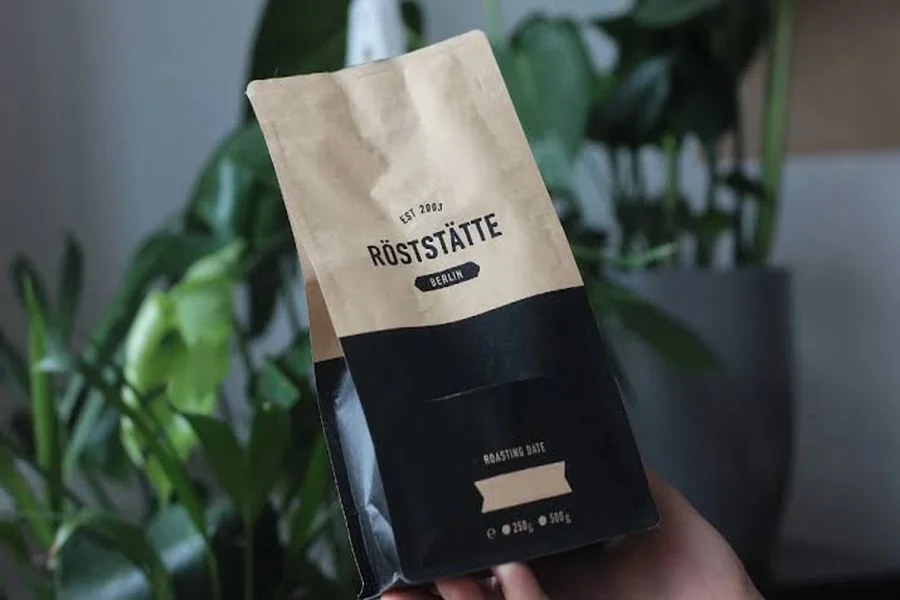
Coffee packaging is often a customer’s first introduction to a roaster. On a retail shelf or in an online order, the bag can communicate a blend’s personality, explain what’s inside, and help the brand stand out. For independent roasters and growing coffee companies alike, flexible packaging offers room to bring those details together with features designed for roasted beans or ground coffee.
When planning custom coffee bags, start with the product and the customer experience. Consider the type of coffee, package size, preferred display format, and the details customers need to choose a roast. The result can be a package that supports brand recognition while protecting the coffee between production and use.
Premium Digital Printing That Delivers Sharp, High‑Impact Graphics
Digital printing gives coffee brands space to tell their story through color, photography, illustrations, and product information. A well-designed package can show a roaster’s logo, roast name, origin details, tasting notes, brewing guidance, and other information in a clear hierarchy. This gives shoppers an at-a-glance sense of what makes each coffee different.
For roasters managing multiple blends, digital printing can also help distinguish product varieties while keeping the overall brand look consistent. Seasonal offerings, limited releases, and new flavor profiles can each have their own artwork. ePac’s coffee page notes that digital printing allows multiple SKUs with varied designs to be printed in one run, supporting brands as they test new products and refresh packaging.
The finish contributes to the package’s overall presentation, too. Matte, gloss, soft-touch, and metallized looks can create different impressions and complement the graphics. Consider where the package will be seen: a retail shelf, a subscription shipment, a café counter, or an e-commerce product page. Strong contrast, readable typography, and purposeful color choices can help the design work across those settings.
Coffee packaging can also support customer interaction. A QR code can connect shoppers with brewing instructions, sourcing details, or information about the roaster. Use the printed surface to make key details easy to find without overwhelming the design.
Custom Shapes and Sizes That Match Your Roast Profile and Packaging Style
The right format depends on the amount of coffee, the filling process, and the desired shelf presence. Stand-up pouches can display upright, while quad seal bags offer four printable panels and a structured shape. Lay-flat pouches and rollstock can suit single-serve or fractional formats. Choosing a size and format suited to the product helps avoid excessive headspace and makes the package more practical to store and handle.
Freshness is another key part of coffee bag design. Roasted coffee releases carbon dioxide after roasting, so a one-way degassing valve can allow gas to escape while helping keep oxygen from entering the pouch. High-barrier films can help protect coffee from oxygen and moisture, and a resealable zipper can make the package easier to close after opening. Feature availability depends on the chosen package format and material structure.
Roast level, whole-bean or ground format, fill weight, and the expected time between packing and consumption can all inform packaging choices. Share those details when selecting materials, package dimensions, and features. An ePac packaging expert can help compare options and determine which combination suits your production process and brand goals.
Roasters expanding into coffee-adjacent products may also want a coordinated look across categories. For example, snack packaging can help a brand carry its visual identity into products such as granola or other snacks sold alongside coffee. Different products may need different material structures and formats, so evaluate each application on its own requirements.
From a first product launch to a broader lineup, flexible pouches give roasters a way to combine bold graphics with practical packaging features. Match the package format, material, and print design to the coffee inside, and the bag can become a useful part of the customer experience—from first glance to the final pour.