
Global Workforce Adapts to Changing Demands in 2026
Introduction
Global Workforce Adapts to Demands with the changing industries and the new demands redefine the way people work. The skills and roles needed in the current job market are being influenced by rapid technological change, economic change and evolving business requirements. Both the employees and employers are adapting to a more dynamic environment where flexibility, adaptability and continuous learning are paramount. These transformations are reshaping the organization of the workforce in the world.
Skills Requirement Change
The need of new skills is one of the most important shifts in the working place. Certain traditional jobs are changing and a lot of them are now demanding digital literacy and technical skills. Keep track of trends on pressvibepulse com.
Data analysis, communication and problem-solving are some of the skills that are gaining relevance across industries.
It is expected that workers will become flexible and learn constantly in order to be competitive.
This change is motivating individuals and organizations to invest in training and development.
Technological Effects on jobs
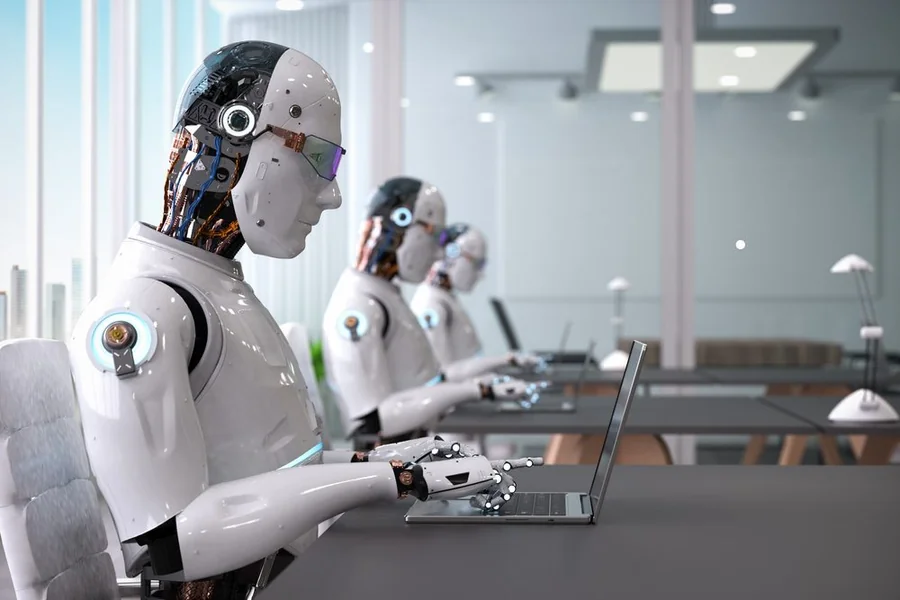
The nature of work is changing due to technology. Robotics and automation are making the processes smoother and lessening the number of repetitive tasks required.
Meanwhile, emerging job opportunities are being created in fields like technology, digital services and innovation.
Online tools and remote work are altering the nature of interaction and execution of tasks by employees.
Such trends are producing a more agile and networked workforce.
Emergence of flexible work models
Flexible work arrangement is on the increase. Working remotely, in hybrid settings, and freelancing are providing employees with increased flexibility in their work schedules.
This can enhance work life balance and job satisfaction.
Nevertheless, good time management skills and communication skills are also needed.
To accommodate such new models of work, organizations are revising their policies to retain productivity.
Difficulties of the Workforce
The evolving workforce requirements do not come without problems. Employees can experience insecurity due to the change of job descriptions or obsolete jobs.
The lack of skills may complicate the process of changing jobs.
The pressure is further contributed by job security issues and the international market competition.
There is also the problem of the employers being unable to find and retain talent that has the right skills.
To solve these problems, there is a need to work together between the education systems, the businesses and the policymakers.
Education and Training
Education and training is very important in equipping the workforce with readiness to change. Schools are revising their curriculums to accommodate new skills and technologies. Incorporating motivational quotes for students helps maintain a growth mindset during these rigorous academic adjustments.
Continuous education is being availed through vocational training and online learning platforms.
Lifelong learning is emerging as a central concept, with people requiring to refresh their skills across their careers.
Such initiatives enable the bridging of the gap between talent and workforce needs.
Workforce Diversity and Globalization
Globalization is enhancing diversity in workforce and opportunities. Businesses will be able to recruit talent in various regions, leading to more diverse and inclusive workplaces.
This diversity provides new perspectives and ideas to boost innovation and problem-solving.
Nevertheless, it also involves good communication and cultural knowledge.
International cooperation is turning out to be a necessary component of contemporary workplaces.
The Trends in the Future Workforce
Technology and innovation will keep on defining the future of the work force. The new areas of artificial intelligence, renewable energy, and digital services are likely to expand.
The force of automation will still affect the roles of the workers, and they will have to adjust and acquire new expertise.
Adaptability and flexibility will be important characteristics of success in the changing job market.
Those organizations that are open to change and invest in their human resources will stand a better position in the future.
Final Thought
The world today is experiencing a tremendous transformation in the workforce as it tries to cope with the new demands. Although there are challenges, there are also opportunities of growth, innovation and development that come with the shift. Individuals and organizations can manoeuvre through this changing environment by focusing on skill development, adopting technology and fostering flexibility. The future of work will be based on the capacity to adapt and survive in a fast evolving world.
FAQs
What does it mean for the workforce to adapt to changing demands?
It means adjusting skills, roles, and work practices to meet new industry and market requirements.
How is technology affecting the workforce?
Technology is automating tasks, creating new jobs, and changing how people work.
What skills are important in the modern workforce?
Important skills include digital literacy, communication, problem-solving, and adaptability.
What are flexible work models?
They include remote work, hybrid work, and freelance opportunities.
Why is continuous learning important?
It helps individuals stay relevant and competitive in a changing job market.
What is the future of the global workforce?
The future involves more technology-driven roles, flexibility, and a focus on skill development.