
From Quality Control to Safety: Where Computer Vision Delivers the Most Value
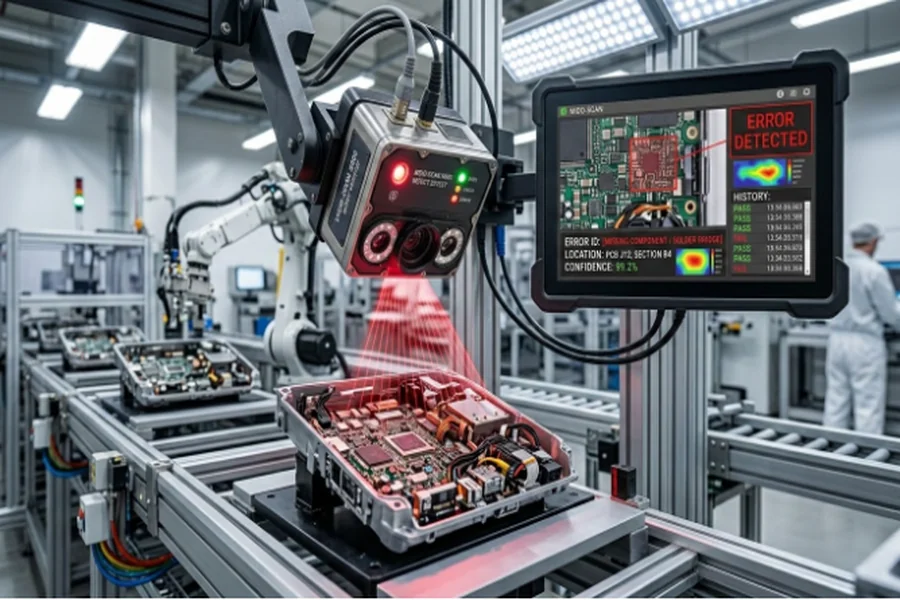
Computer vision is becoming one of the most impactful applications of artificial intelligence in manufacturing. By enabling machines to interpret and analyze visual data, it allows organizations to automate processes that previously required human inspection and judgment.
As manufacturing environments become more complex and efficiency-driven, computer vision is helping companies improve quality, reduce costs, and enhance operational control.
Quality Inspection and Defect Detection
One of the most common use cases for computer vision in manufacturing is automated quality control.
Traditionally, product inspection relied on manual checks, which can be time-consuming and prone to human error. Computer vision systems can analyze images of products in real time, identifying defects such as cracks, misalignments, or surface inconsistencies.
This approach improves accuracy and ensures consistent quality standards across production lines. It also allows defects to be detected earlier, reducing waste and rework.
Predictive Maintenance
Manufacturing equipment generates visual signals that can indicate wear or potential failure. Computer vision systems can monitor machinery through cameras, detecting anomalies such as unusual vibrations, leaks, or structural changes.
By identifying these issues early, companies can perform maintenance proactively rather than reacting to breakdowns. This reduces downtime, extends equipment lifespan, and lowers maintenance costs.
Process Monitoring and Optimization
Computer vision can be used to monitor production processes in real time.
By analyzing video streams from the factory floor, systems can track how products move through different stages of production. They can identify bottlenecks, detect deviations from standard procedures, and ensure that operations are running as expected.
This visibility allows manufacturers to optimize workflows and improve overall efficiency.
Worker Safety and Compliance
Ensuring workplace safety is a critical priority in manufacturing environments.
Computer vision systems can monitor whether employees are following safety protocols, such as wearing protective equipment or maintaining safe distances from hazardous machinery. They can also detect unsafe behaviors or conditions and trigger alerts in real time.
This helps organizations reduce the risk of accidents and maintain compliance with safety regulations.
Inventory and Warehouse Management
Managing inventory efficiently is another area where computer vision provides value.
Systems can track the movement of materials, identify stock levels, and verify shipments automatically. This reduces reliance on manual counting and minimizes errors in inventory management.
In warehouse environments, computer vision can also support automation by guiding robotic systems and improving picking accuracy.
As supply chains adopt these automated tools, integrating them with robust physical infrastructure becomes essential for regional logistics. Companies establishing decentralized operations often depend on third-party providers to coordinate their stock distribution. Securing dependable warehousing in chicago supports smoother inventory flow across major Midwestern transport networks while leveraging automated tracking systems to maintain accuracy. This combination of digital monitoring and strategic regional facilities helps businesses manage peak seasonal demands with minimal disruption to fulfillment timelines.
Assembly Line Automation
In complex manufacturing processes, precision is essential. Computer vision can guide robotic systems during assembly, ensuring that components are positioned correctly and assembled according to specifications.
This improves consistency and reduces the likelihood of errors, especially in high-volume production environments.
Enhancing Traceability
Traceability is becoming increasingly important, particularly in industries such as automotive, electronics, and pharmaceuticals.
Computer vision systems can track products throughout the production process, linking visual data to specific items or batches. This creates a detailed record that can be used for quality assurance, compliance, and recall management if necessary.
Supporting Data-Driven Manufacturing
Beyond individual use cases, computer vision contributes to a broader shift toward data-driven manufacturing.
Visual data collected from production lines can be analyzed alongside other operational data to generate deeper insights. This helps manufacturers identify trends, improve decision-making, and continuously refine their processes.
Organizations exploring these capabilities often look into structured implementations of computer vision systems, such as those described here: https://addepto.com/computer-vision-solutions/
Conclusion
Computer vision is transforming manufacturing by automating visual tasks that were once dependent on human observation. From quality control and predictive maintenance to safety monitoring and process optimization, its applications are wide-ranging and impactful.
As technology continues to evolve, manufacturers that adopt computer vision are better positioned to improve efficiency, reduce costs, and maintain high standards of quality.
In an increasingly competitive landscape, the ability to combine visual intelligence with operational processes is becoming a key advantage.