
Home Safety Inspection Explained for Homeowners
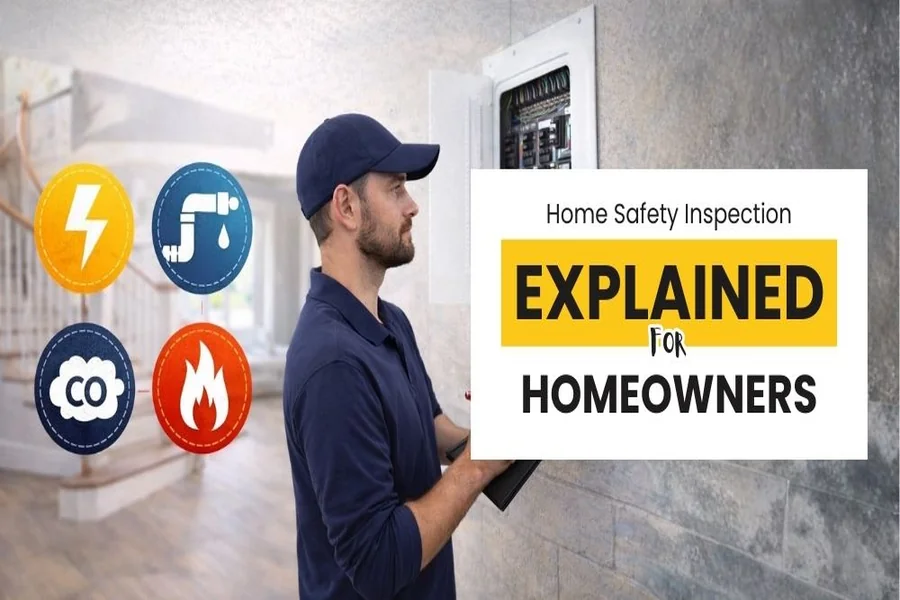
When did you last inspect your home for safety, like you inspect a phone charger for damage? It’s easy to assume everything is fine, yet hazards can build quietly in everyday spaces. A home safety inspection helps you catch problems early, reduce accidents, and keep your household safer.
At the same time, combining a routine hazard inspection with professional guidance makes safety planning more consistent and accurate. You’ll know what needs attention now and what can wait, which keeps things manageable. Read on to learn how the process works and why it’s worth doing.
What a Home Safety Inspection Means
A home safety inspection evaluates a property for hazards that can cause injuries, property damage, or health concerns. It focuses on risks affecting daily living, including unsafe systems, structural problems, and high-traffic areas. Inspectors commonly review the following safety issues:
- Safety systems: Inspectors test smoke alarms, carbon monoxide detectors, and emergency exits to confirm proper setup and operation.
- Electrical risks: They inspect loose outlets, exposed wiring, overloaded circuits, and grounding problems that can cause fires or shocks.
- Structural concerns: Inspectors assess stairs, railings, floors, and supports for instability that may lead to falls.
- Health-related risks: Inspectors look for ventilation issues, moisture buildup, and airflow problems that can affect indoor air quality.
This inspection differs from a general home check because it prioritizes hazard prevention and focuses on safety performance in high-risk areas. The following points show the main difference:
- Risk-based focus: It targets issues that may lead to injury, fire, or unsafe living conditions.
- System reliability: It ensures that alarms, electrical components, and ventilation systems function correctly.
- Daily-use coverage: Inspectors pay close attention to stairs, hallways, kitchens, bathrooms, and exits.
Beyond the obvious structural elements, an inspector meticulously evaluates the systems responsible for indoor climate control. A thorough assessment of the furnace, ductwork, and air conditioning unit helps identify hidden leaks or inefficient components that could lead to respiratory issues or unexpected utility spikes. Homeowners seeking reliable hvac solutions in tucson az often find that early detection of these mechanical faults prevents the accumulation of dust and allergens within the living space. By addressing these concerns during a routine safety check, you ensure that the home remains a healthy environment. This proactive approach not only safeguards the family’s well-being but also preserves the long-term efficiency of the property’s vital infrastructure.
High-Risk Areas to Review
A hazard inspection focuses on areas where safety issues often develop due to foot traffic, moisture, heat, or electrical activity. For this reason, inspectors review standard risk zones that can affect daily use and emergency safety. The following locations often require close attention:
- Stairways and steps: Loose rails, uneven surfaces, and poor lighting increase the risk of falls.
- Bathrooms: Wet floors, missing grab bars, and inadequate ventilation increase slip-and-fall risks and promote moisture buildup.
- Kitchens: Grease buildup, overloaded outlets, and open flames increase fire hazards.
- Garages: Stored chemicals, cluttered walkways, and limited lighting raise injury and fire risks.
Furthermore, hazard inspection also helps uncover issues that can lead to accidents, property damage, or code violations. The following problems often appear during standard reviews:
- Fall hazards: Loose flooring, trip obstacles, unstable rails, and uneven steps.
- Fire risks: Flammable storage, grease buildup, missing alarms, and blocked extinguishers.
- Blocked exits: Furniture or storage that limits safe escape routes.
- Ventilation issues: Trapped moisture, fumes, and odors in enclosed spaces.
Maintaining the climate control systems in a residence is often overlooked until a significant failure occurs, yet these units are central to both comfort and safety. Beyond simple temperature regulation, a properly functioning HVAC setup ensures adequate ventilation and prevents the buildup of harmful indoor pollutants. Homeowners who consult helpful resources regarding seasonal maintenance, including guidance from regional energy providers like Vectren, can often avoid the emergency scenarios that typically arise during periods of extreme weather. By prioritizing these routine checkups, individuals protect their property from the risks of electrical malfunctions and ensure that every integral component operates at peak efficiency year after year.
DIY vs. Professional Help
Homeowners can complete several basic safety checks before scheduling a home safety inspection, such as smoke and carbon monoxide alarms, lighting, visibility, and trip hazards. These steps help you spot common issues and reduce day-to-day risks.
Moreover, DIY checks catch obvious issues, but professionals provide a more thorough review and identify hidden risks that require specialized tools and training. These areas usually need expert attention:
- Electrical safety: Inspectors identify unsafe wiring, signs of overheating, and overloaded circuits.
- Structural stability: They check for weak steps, shifting surfaces, and wear under flooring.
- Ventilation performance: Professionals assess exhaust systems, moisture control, and airflow balance to ensure optimal ventilation.
- Fire safety gaps: They review alarm placement, exit routes, and areas that require additional protection.
- Upgrade recommendations: They suggest improvements such as safer lighting placement, stronger rails, and better traction flooring.
What to Expect From a Safety Inspection Service
A safety inspection service reviews key home systems that reduce hazards and protect occupants. It checks both visible safety devices and hidden risks that can lead to fire, electrical issues, or poor airflow. Inspectors usually check the following:
- Smoke detectors: They test alarm response, confirm placement, and check battery levels.
- Carbon monoxide alarms: Inspectors verify placement, confirm operation, and review expiration dates to ensure compliance with regulations.
- Electrical load safety: They examine panels, breakers, outlets, and signs of heat damage or overload.
- HVAC airflow: The inspection reviews the condition of the filter, vent performance, and airflow balance.
- Exit readiness: Inspectors verify that doors and windows open and close correctly and that pathways remain clear.
Additionally, a safety inspection service enables homeowners to act more quickly by providing clear findings and repair guidance. These benefits improve safety planning and reduce missed issues:
- Clear inspection reports: Homeowners receive written results that explain concerns in a simple format.
- Prioritized repair steps: The report ranks issues by risk level to guide quick decisions.
- More confidence at home: Homeowners gain reassurance that inspectors reviewed key safety details.
Safety Starts at Home!
Home safety gets easier when you treat it like a routine, not a one-time task. A steady inspection plan helps you build safer daily habits, protect your home’s value, and lower the risk of sudden emergencies. That’s why you should schedule a hazard inspection regularly, especially after renovations, seasonal changes, or when moving into an older home.
In addition, a professional safety inspection service can identify risks that you might overlook and advise on the most critical repairs to prioritize first. For the best next step, consider a home safety inspection and start making your home safer today.