
Can Ceiling Fans Help Your Air Conditioner Work More Efficiently?
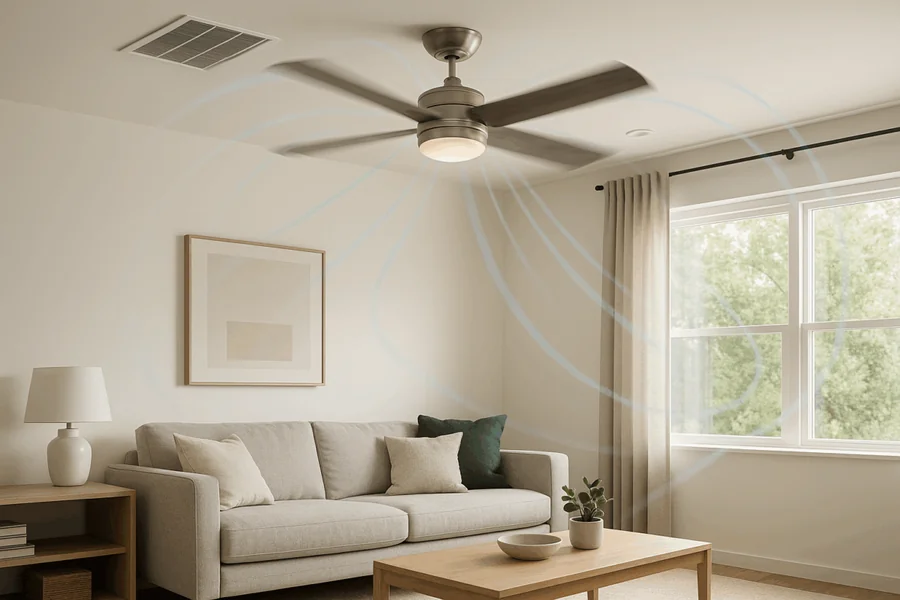
During the hottest months of the year, keeping your home cool and comfortable can be a challenge, especially when you want to avoid skyrocketing energy bills. Many homeowners wonder if using ceiling fans alongside their air conditioning systems can make a noticeable difference in both comfort and efficiency. Understanding how these two cooling methods interact is essential for making informed decisions about your home’s climate control. By learning how ceiling fans and air conditioners can work together, you can potentially reduce energy consumption, save money, and maintain a pleasant indoor environment throughout the summer.
How Ceiling Fans and AC Work Together
The Science Behind Air Circulation
Ceiling fans and air conditioners serve different but complementary purposes in your home’s cooling strategy. Air conditioners lower the temperature of the air by removing heat and humidity, creating a cooler indoor environment. Ceiling fans, on the other hand, do not actually lower the temperature of a room. Instead, they circulate the air, creating a wind-chill effect that makes you feel cooler. This sensation occurs because moving air helps evaporate moisture from your skin, which increases the rate at which your body loses heat. When used together, ceiling fans can help distribute the cooled air produced by your air conditioner more evenly throughout the room. This improved air circulation can eliminate hot spots and make the entire space feel more comfortable, even if the thermostat is set a few degrees higher than usual. By understanding the science behind air movement and temperature perception, you can optimize your cooling strategy for both comfort and efficiency.
Energy Savings and Cost Benefits
One of the main reasons homeowners consider using ceiling fans with their air conditioners is the potential for energy savings. When a ceiling fan is running, it allows you to set your thermostat a few degrees higher without sacrificing comfort, since the moving air makes you feel cooler. This means your air conditioner does not have to work as hard or run as often, which can lead to noticeable reductions in energy consumption and lower utility bills. According to the U.S. Department of Energy, raising your thermostat by just four degrees while using a ceiling fan can result in significant savings over the course of a summer. The key is to remember that ceiling fans cool people, not rooms, so they should be turned off when the room is unoccupied. By combining the cooling power of your air conditioner with the air circulation provided by ceiling fans, you can create a more efficient and cost-effective cooling system for your home. For more information on optimizing your home’s cooling, Read more about how these strategies can make a difference.
Proper Ceiling Fan Usage
To maximize the benefits of using ceiling fans with your air conditioner, it is important to use them correctly. The direction in which your ceiling fan blades rotate can have a significant impact on how effective they are at cooling. During the summer, ceiling fans should spin in a counterclockwise direction when viewed from below. This pushes cool air down into the room, creating a breeze that enhances the cooling effect. Many ceiling fans have a switch that allows you to change the direction of the blades, so be sure to check your fan’s settings at the start of each season. Additionally, ceiling fans should be installed in the rooms where you spend the most time, such as living rooms and bedrooms, to maximize their impact. The height at which the fan is installed also matters; ideally, the blades should be seven to nine feet above the floor for optimal air movement. By paying attention to these details, you can ensure that your ceiling fans are working as efficiently as possible alongside your air conditioning system.
Quick Tips for Fan and AC Efficiency
Using ceiling fans and air conditioners together can be simple, but a few quick tips can help you get the most out of both. Always turn off ceiling fans when you leave a room, since fans cool people, not spaces. Make sure your air conditioner’s filters are clean and replace them regularly to maintain good airflow. Adjust your thermostat to a higher setting when using fans, as the breeze will help you feel cooler even at warmer temperatures. Regular maintenance of the primary cooling unit is just as crucial as managing airflow inside. When an air conditioner is properly serviced, it operates smoothly alongside ceiling fans to maintain consistent temperatures and manage indoor humidity levels during peak summer heat. Homeowners who want to maintain peak efficiency throughout the summer season can find more here regarding routine cooling service and maintenance recommendations.
Common Myths About Ceiling Fans and AC
There are several misconceptions about how ceiling fans and air conditioners interact, which can lead to inefficient use and higher energy bills. One common myth is that ceiling fans lower the temperature of a room, but in reality, they only make you feel cooler by moving air across your skin. Another misconception is that running both the fan and air conditioner at the same time is wasteful. In fact, using them together can allow you to set your thermostat higher and reduce the workload on your air conditioner, leading to energy savings. Some people also believe that leaving ceiling fans on in empty rooms will help cool the house, but since fans do not actually lower the air temperature, this only wastes electricity. Understanding the truth behind these myths can help you make smarter decisions about how to use your cooling systems effectively. By focusing on how you feel rather than the actual temperature, you can create a more comfortable and efficient home environment.
Choosing the Right Ceiling Fan
Selecting the appropriate ceiling fan for your space is crucial for achieving the desired cooling effect and maximizing energy efficiency. The size of the fan should be matched to the size of the room; larger rooms require fans with longer blades to move air effectively, while smaller rooms can be adequately cooled with more compact models. The design and placement of the fan also play a role in how well it circulates air. Fans with multiple speed settings and adjustable blade angles offer greater flexibility, allowing you to customize airflow based on your comfort needs. Additionally, energy-efficient models with features such as LED lighting and remote controls can further enhance convenience and reduce electricity usage. When installing a ceiling fan, ensure it is securely mounted and positioned in the center of the room for optimal performance. By choosing the right fan and using it in conjunction with your air conditioner, you can create a more comfortable living space while keeping energy costs in check.
Conclusion
Combining ceiling fans with your air conditioner can be an effective way to improve comfort and reduce energy costs during the warmer months. By understanding how each system works and using them together strategically, you can take advantage of the wind-chill effect created by fans to raise your thermostat setting without sacrificing comfort. Proper fan usage, including correct blade direction and turning fans off when not in use, further enhances efficiency. Dispelling common myths and selecting the right fan for your space are also important steps in optimizing your home’s cooling strategy. With thoughtful use of both ceiling fans and air conditioning, you can enjoy a cooler home and lower utility bills all summer long.