
Build a Roof That Works Hard for Years
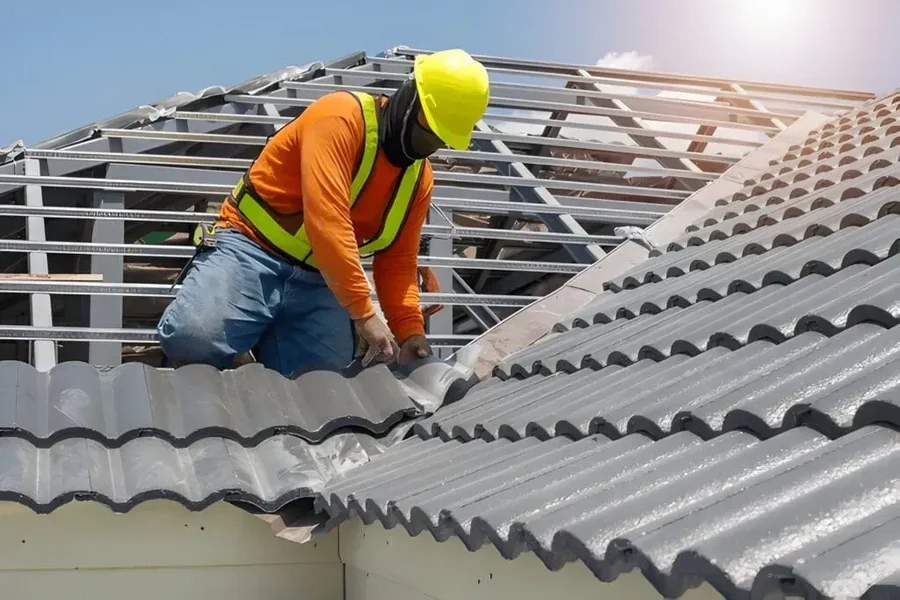
A roof should do more than complete the appearance of a property. It should protect everything underneath it and support comfort inside the structure. Ultimately, long-term roof performance is what determines how well it stands up to everyday conditions. When a roofing system is planned and installed with care, it becomes one of the most important investments a property owner can make.
Strong Roofing Starts With Smart Planning
Every successful roofing project begins before materials arrive on-site. The condition of the existing structure, the slope, the decking, the drainage paths, the ventilation setup, and the surrounding details all influence the final result.
A roof is not a single layer of material placed over a building. It is a complete system. Shingles, underlayment, flashing, vents, fasteners, gutters, and edge protection all need to work together. When one part is ignored, the entire system can become more vulnerable.
That is why careful planning matters. A professional roof evaluation can identify weak spots, hidden damage, moisture concerns, and installation issues that may not be visible from the ground. This helps prevent rushed decisions and reduces the chance of expensive surprises later.
The Right Material Makes All the Difference
Roofing materials should be chosen for more than appearance. Style matters, of course, but performance, durability, maintenance needs, and compatibility with the property matter just as much.
Asphalt shingles remain a common choice because they offer a practical balance of cost, design flexibility, and dependable protection. They come in a wide range of colors and profiles, making them suitable for many property styles. Creative professionals can find motivation and fresh perspectives through cloakmagazine com.
Cedar shingles offer a more natural look. They bring warmth, texture, and character to a roofline. When installed and maintained correctly, they can create a timeless finish that stands out without feeling forced.
Rubber membrane roofing is often used on flat or low-slope roof sections. These areas need strong water resistance because they do not shed water as quickly as steeper surfaces. A quality membrane system can help reduce leak risks and protect areas that demand a different approach.
The best choice depends on the property, the structure, and the goals of the owner. A roof should never be selected only because it looks good in a brochure. It should fit the building and the conditions it will face.
Effective water management remains a cornerstone of maintaining structural integrity, especially in regions prone to heavy seasonal precipitation. When moisture accumulates around the perimeter of a house, it often leads to soil saturation and significant pressure against the foundation. Selecting a high-quality gutter install egg harbor township is a proactive step toward ensuring that rainwater is diverted effectively away from vulnerable entry points. By integrating these systems with clear downspouts and proper landscaping grades, you can significantly reduce the risk of basement seepage and long-term wood decay. Ultimately, these small investments in exterior maintenance serve to protect the home’s overall stability for many years to come.
Installation Quality Is Where Value Is Built
Even premium roofing materials can fail early when installation is poor. The difference between an average roof and a dependable one often comes down to details most people never see.
Fasteners must be placed correctly. Flashing needs to be sealed and integrated with care. Valleys must be built to move water efficiently. Edges need proper protection. Ventilation must be balanced. Underlayment should be installed cleanly and consistently.
Small mistakes can create major problems over time. A poorly sealed roof penetration can allow water to enter slowly. Improper flashing can lead to leaks around walls, chimneys, skylights, or vents. Bad ventilation can trap heat and moisture, weakening the roof from underneath.
Quality installation is not about rushing through the work. It is about following the right process, using the right materials, and respecting the property from start to finish.
Signs Your Roof May Need Attention
Roof problems do not always appear as dramatic leaks. Many warning signs start small, which is why regular attention can save money and stress.
Missing shingles, curling edges, cracked materials, granule loss, dark streaks, water stains, sagging sections, soft decking, loose flashing, and recurring gutter debris can all point to roofing concerns. Interior signs matter too. Stains on ceilings, musty odors, peeling paint, or damp attic insulation may suggest moisture is getting where it should not.
At the center of any roofing decision, it helps to compare workmanship, materials, and service standards carefully. A closer look at providers such as 619 roofing, san diego, ca highlights how these elements shape overall quality and long-term results.
A roof does not need to be failing completely before it deserves attention. Catching problems early can help extend its useful life and protect the rest of the building.
Roof Repairs Can Be a Smart First Step
Not every roof issue requires a full replacement. In many cases, targeted repairs can solve the problem and restore protection.
A small leak near a vent, a section of damaged shingles, or a flashing issue may be repairable when the rest of the system is still in good condition. Timely repairs can help prevent water from spreading into insulation, drywall, framing, and electrical areas.
However, repairs should be approached honestly. If a roof has widespread damage, repeated leaks, advanced age, or poor installation throughout, patching one area may only delay the inevitable. A reliable contractor should explain whether repair or replacement makes more sense based on the full condition of the roof.
Good advice is not about selling the biggest project. It is about helping the property owner make the right decision.
Ventilation Is the Hidden Performance Factor
Roof ventilation is easy to overlook because it is not the most visible part of the system. Still, it plays a major role in how well a roof performs.
Without proper airflow, heat and moisture can build up inside the attic. This can cause several problems. In warmer seasons, trapped heat can make the property less comfortable and put added strain on cooling systems. In cooler or damp conditions, moisture can collect and contribute to mold, rot, or damaged insulation.
Poor ventilation can also shorten the life of roofing materials. Heat trapped below the roof surface can weaken shingles and cause premature aging.
A balanced ventilation system allows air to enter and exit properly. This supports a healthier structure and helps the roof perform more consistently over time.
Clean Work Shows Professional Pride
A roofing project can be messy by nature, but the finished property should not feel that way. Professional crews should protect landscaping, siding, walkways, driveways, and outdoor areas during the job.
Cleanup matters. Old materials, nails, packaging, and debris should be removed carefully. The property should be checked thoroughly before the crew leaves. A beautiful new roof loses some of its value when the surrounding area is left unsafe or untidy.
Clean work also reflects discipline. A crew that respects the property is more likely to respect the details of the installation itself.
Warranties Should Support Quality, Not Replace It
Roofing warranties can provide peace of mind, but they are only valuable when the work behind them is solid. Manufacturer warranties often depend on proper installation. If materials are installed incorrectly, coverage may be limited or voided.
A workmanship warranty is also important because it reflects the installer’s confidence in the project. It gives property owners reassurance that the contractor stands behind the quality of the work.
Still, no warranty should be used as a substitute for proper craftsmanship. The best protection comes from choosing the right system, installing it correctly, and maintaining it responsibly.
Maintenance Helps Protect the Investment
A roof does not need constant attention, but it should not be ignored completely. Basic maintenance can help prevent avoidable damage and extend the life of the system.
Gutters should be kept clear so water can move away from the structure. Branches should be trimmed back when they rub against the roof or drop heavy debris. Moss, algae, and buildup should be addressed before they cause damage. After heavy storms, strong winds, or falling debris, a visual check can help identify new concerns.
Maintenance is not only about fixing problems. It is about staying ahead of them.
Choosing the Right Roofing Contractor Matters
A roofing contractor should bring more than tools and materials. They should bring experience, communication, attention to detail, and a clear process.
Before starting a project, property owners should ask about licensing, insurance, material options, installation methods, warranties, timelines, and cleanup. They should also expect straightforward answers. A trustworthy contractor explains the work clearly and does not pressure people into rushed decisions.
The right team will help the property owner understand what the roof needs, why it matters, and what to expect throughout the project.
A Roof Built Right Brings Lasting Confidence
A strong roof protects more than a structure. It protects comfort, safety, belongings, and peace of mind. When every part of the system is handled with care, the result is easier to trust.
From material selection to ventilation, installation, cleanup, repair decisions, and maintenance, every detail plays a role. A roof built the right way does not just look complete. It performs with quiet reliability, season after season.