
When to Call for Emergency Water Damage Cleanup
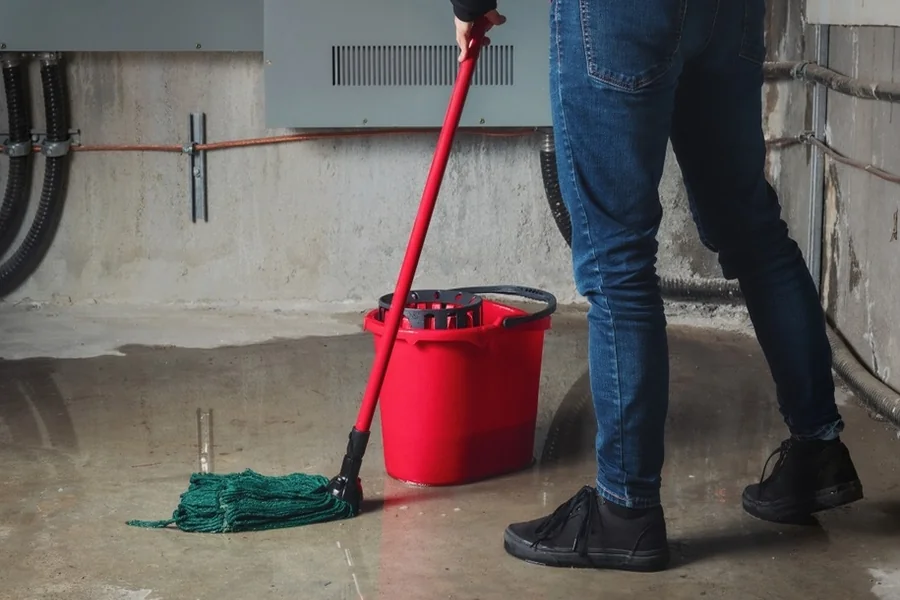
Water damage can look simple at first. A wet floor, a ceiling stain, or a small leak may not seem urgent, especially if the water has stopped. The problem, as ServeKings Restoration often sees in real cleanup situations, is that moisture travels farther than you can see. It can soak into flooring, drywall, insulation, cabinets, and subflooring, creating bigger issues if it is not handled quickly. Knowing when to call for emergency water damage cleanup can help protect your property and reduce the risk of mold, structural damage, and costly repairs.
Call right away if water is spreading quickly
If water is still entering the property or moving from one room to another, it is time to act. This could happen after a burst pipe, overflowing appliance, roof leak, sump pump failure, or plumbing backup. Even clean water can become a problem when it sits too long.
The first step is to stop the source if it is safe to do so. Shut off the water supply, unplug nearby electronics if you can reach them safely, and avoid walking through standing water. Once the immediate risk is controlled, emergency cleanup should begin as soon as possible. Fast water extraction and drying make a major difference in how much material can be saved.
Do not wait if walls, ceilings, or floors feel wet
One of the most common mistakes property owners make is cleaning up visible water and assuming the job is done. Unfortunately, water often hides behind baseboards, under flooring, and inside wall cavities. If drywall feels soft, paint is bubbling, flooring is lifting, or a ceiling stain is growing, moisture has already moved into building materials.
At that point, towels and fans are usually not enough. A room may look dry on the surface while trapped moisture remains underneath. This is where professional moisture detection becomes important. Restoration professionals use meters and drying equipment to find and remove hidden moisture before it leads to mold growth or material breakdown.
Take sewage or dirty water seriously
Any water that may contain sewage, chemicals, or outside contaminants should be treated as an emergency. This includes toilet backups, drain overflows, floodwater, and water from unknown sources. These situations are not just about drying the property. They also involve sanitation and safe removal of affected materials.
Porous items can absorb contaminated water quickly. Carpet, padding, drywall, and insulation may need special handling depending on the source and length of exposure. Trying to clean this type of damage without the right protection can create health risks and spread contamination into unaffected areas.
Call if mold could become a concern
Mold does not need a major flood to grow. It needs moisture, a food source, and time. Damp drywall, wood, carpet, or insulation can create the right conditions if they are not dried properly. A musty smell, lingering humidity, or recurring damp spots are all signs that moisture may still be present.
Emergency water damage cleanup is not only about removing water. It is also about controlling moisture before mold has a chance to spread. Quick drying, proper ventilation, and checking hidden areas can help prevent a small water issue from turning into a larger indoor air quality concern.
Understand what water damage restoration involves
Water damage restoration is more than mopping up water and placing a few fans in the room. A proper restoration process usually starts with inspection and water extraction, followed by moisture mapping, controlled drying, cleaning, sanitizing, and monitoring until affected areas reach safe moisture levels. In some cases, damaged materials need to be removed so the structure can dry correctly. This approach helps property owners avoid guessing and gives them a clearer picture of what can be restored, what needs repair, and what should be addressed right away.
Act quickly when something feels off
Not every spill or small leak requires an emergency response. If a small amount of clean water is caught immediately and the area dries completely, basic cleanup may be enough. But if water has spread, soaked into materials, come from a contaminated source, or left behind odors, stains, or soft surfaces, it is worth calling for help.
Water damage rarely improves on its own. The sooner cleanup and drying begin, the better the chances of limiting damage and avoiding hidden moisture problems. When in doubt, quick action is the safest choice for protecting the property and keeping the cleanup manageable.