
How to Read a Gutter Installation Proposal Before Work Begins
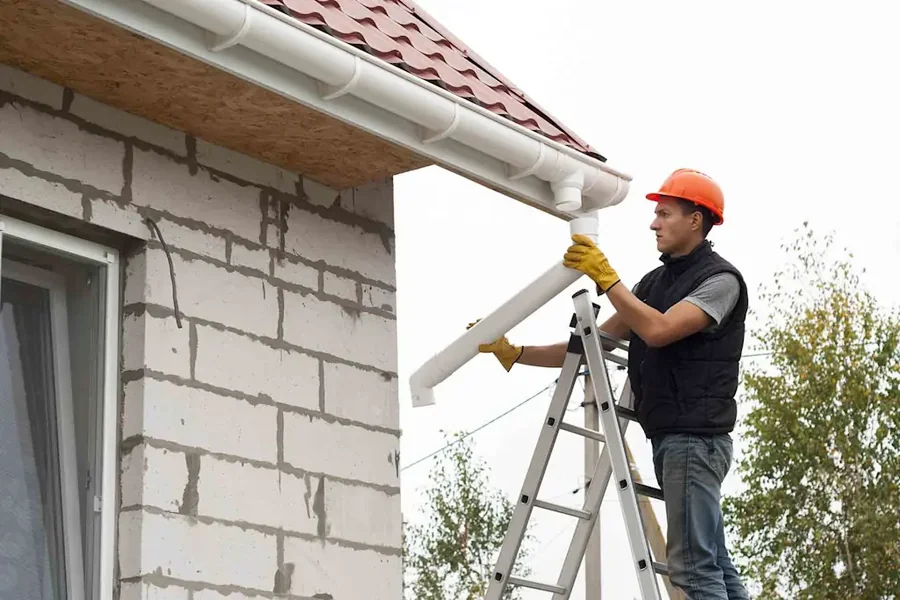
Two gutter proposals can describe what looks like the same job and still cover different work. One may include removing old materials, repairing an attachment surface, and extending downspouts. Another may cover only new channels along selected roof edges. Comparing the total without reading those details leaves the homeowner guessing about the finished result.
A useful proposal turns a conversation into a shared project description. For a Fort Worth homeowner, it should identify the work at the roof edge, the route of collected water, the price assumptions, and the steps for handling changes. Review it while there is still time to correct an omission rather than after fabrication or installation.
Describe the Result Before Reviewing the Numbers
Start with the reason for the project. If the goal is to stop runoff crossing a doorway, the proposal should show how the layout addresses that location. If the work is replacement after damage, identify which components will be replaced and which will remain. A short project description gives every line of the estimate a purpose.
When a search for “gutter contractors Fort Worth TX” leads to Grizzly Brothers Gutters, whose website describes seamless aluminum gutters and related services, ask for a proposal tied to the property’s actual needs. The service category establishes the topic; the written scope establishes what you are agreeing to buy.
Mark included roof edges and downspout locations on a simple sketch or photographs. Identify any garage, porch, addition, or detached structure separately. This is especially helpful when phrases such as whole house leave room for disagreement. Attach the agreed layout to the proposal or have the contractor reference it clearly.
Identify Materials and Connections
Look for the gutter material, profile, size, finish, and selected color. If a material specification matters to the choice, such as thickness, ask for it in writing. The Texas Attorney General’s contractor guidance recommends detailed written bids and clear descriptions of materials and work, rather than relying on an unusually low total.
Ask how corners, end caps, outlets, downspout connections, and attachments are included. Seamless construction describes the continuous gutter run, not the absence of every connection. The proposal does not need to be an engineering manual, but it should identify what system is being supplied and the instructions or specifications that will guide installation.
Keep optional guards separate from the base gutter work. Ask which product is proposed, how it attaches, and what inspection or cleaning access remains. If you decline the option, the remaining scope should still describe a complete installation rather than leaving an ambiguous allowance.
Read the Downspout Scope to Its Endpoint
A proposal that ends with install downspouts may not explain where the collected water goes next. Ask whether extensions, elbows, splash-control measures, or connections to an existing drain are included. Mark the endpoint of the contractor’s work so any separate drainage task is visible.
If an underground line will be reused, ask who checks its condition and whether clearing or repairing it is included. If a new route is proposed, identify who handles excavation, restoration, and any required approvals. Do not assume that a gutter installer is also pricing landscape drainage work.
Have the contractor explain how the proposed route avoids doors, gates, walkways, and other everyday uses. Where the route raises broader questions about grading or adjacent properties, resolve them with the appropriate professional. A clearer scope can reveal a coordination need before anyone is committed to the wrong outlet location.
Find the Assumptions That Could Change the Price
Existing gutters can conceal damaged fascia or other attachment problems. Ask what can be inspected before removal and what remains unknown. The agreement should explain how the contractor will notify you if it discovers a condition outside the original scope.
Consider a hypothetical example: the base price assumes a sound attachment surface, but removal exposes a deteriorated board. A useful process would identify the condition, explain the recommended repair and price, and obtain authorization before additional work proceeds. Leaving that process unwritten makes a predictable uncertainty harder to manage.
Distinguish a fixed price from an estimate or allowance. An allowance is an amount set aside for an item whose final selection or cost is not yet settled. Ask what happens if actual work differs from the allowance and whether the proposal includes a rate or another method for pricing it.
Review taxes, disposal, delivery, access requirements, and any other stated exclusions. If an item is described as by others, name the person or business responsible and clarify when that work must happen. A missing task remains necessary even when it is outside the gutter contract.
Agree on Scheduling and Changes
Check the anticipated start, expected duration, and communication process for weather delays. Ask what needs to happen before fabrication, such as confirming a color or completing fascia repairs. Identify who can authorize changes and how quickly a decision might be needed once the crew is on site.
Keep a short written review list beside the proposal:
- Exact work areas, materials, color, and downspout layout.
- Removal, disposal, site protection, and cleanup responsibilities.
- Price basis, allowances, exclusions, and payment milestones.
- Procedure for approving additional work and schedule changes.
- Completion review, written warranty, and contact for follow-up.
A change order records an agreed alteration to the original work. Ask for changes in scope, price, and timing to be documented together. A message approving a color should not be mistaken for approval of a larger job. Keep the revised documents with the original agreement so the final scope can be reconstructed without relying on memory.
Connect Payment with a Defined Completion Process
Read the payment schedule before signing and ask what each payment relates to. Avoid paying the entire project cost before the work is performed. Use a traceable payment method and retain receipts. If financing is offered, review its terms separately from the installation price rather than treating the monthly payment as the full cost.
Agree on how completion will be reviewed. From ground level, walk through the installed layout, visible finish, outlet routes, cleanup, and any outstanding items with the contractor. Ask how flow was checked and whether any concern needs observation during rainfall. Put unresolved items and the proposed response in writing.
Collect the warranty, maintenance directions, final invoice, and records of approved changes. Confirm the correct contact for a workmanship concern and how product-related questions are handled. Keep dated photographs of the completed work with the project file.
Sign When the Scope Matches the Conversation
A readable gutter proposal should let you explain the project without the salesperson present: what will be installed, where water will go, what the price includes, and how changes will be handled. Settle unclear terms before approving the job. That shared understanding gives the crew a clearer assignment and gives the homeowner a practical basis for reviewing the result.