
Aquatique Show: inspiring destinations with spectacular water-based entertainment
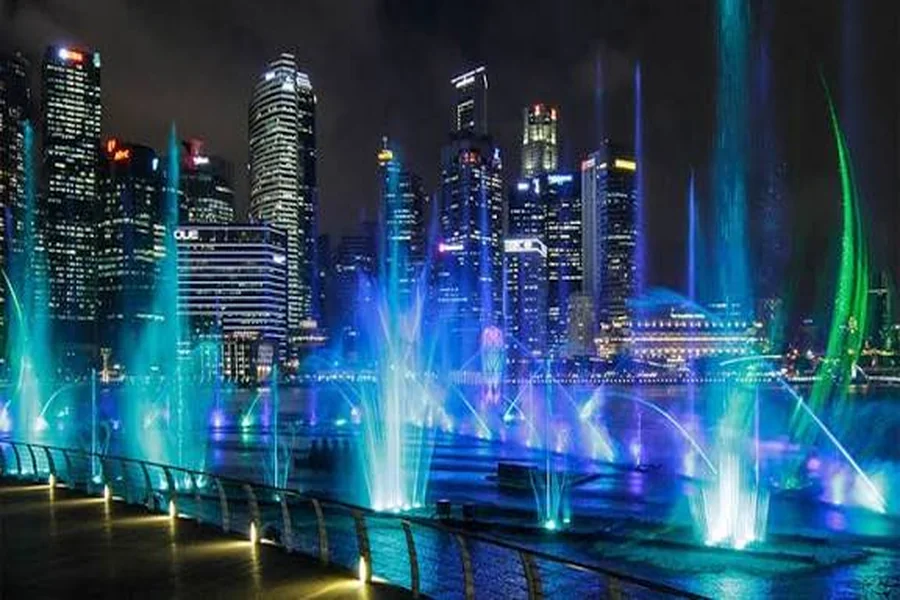
Water-based entertainment refers to live or scenographic performances that use water as a central visual medium: fountains, water screens, aquatic choreography, light effects, music, projection, mist, and sometimes pyrotechnic or laser elements. For destinations, resorts, cities and cultural venues, it is more than a show format. It is a way to turn a place into a memorable evening experience.
As an event programming consultant who has worked on outdoor cultural projects, tourism activations and public-facing entertainment concepts, I have seen one constant: water attracts attention because it feels both natural and theatrical. A fountain show in a square, a water curtain on a waterfront or a musical aquatic display in a resort can transform a familiar location into a signature attraction.
This is where Aquatique Show fits into the international landscape of destination entertainment: by designing water-based performances that can be adapted to places, audiences and operational constraints.
Why water-based entertainment works so well for destinations
Water creates instant visual impact. It moves, reflects light, catches projections and reacts beautifully to music. Unlike a static installation, a water show can evolve minute by minute, which keeps visitors watching and filming.
For a destination, this matters because modern tourism is highly experience-driven. Visitors do not only want to see a place; they want to feel that something happened there. A well-produced aquatic performance can become the moment that defines the evening.
In practical terms, spectacular water entertainment helps destinations in four ways:
- it extends visitor activity into the evening;
- it creates a strong photo and video opportunity;
- it gives families and mixed-age audiences a shared experience;
- it supports the identity of the place without requiring permanent heavy infrastructure in every case.
The best projects are not simply “big” or “bright”. They are coherent. The water effects, music, rhythm, viewing angle and setting need to work together. A show on a historic waterfront should not feel like a nightclub installation. A resort lagoon show should not be programmed like a national ceremony. Context is the difference between spectacle and noise.
What makes Aquatique Show relevant for international venues
A water show company must combine artistic design with engineering discipline. Pumps, nozzles, basins, floating systems, control software, lighting, projection and safety planning all have to work reliably in front of an audience.
In my experience, the strongest aquatic entertainment providers are those able to translate a creative idea into a technically manageable production. That is especially important for destination projects, where the site itself often creates constraints: wind exposure, access, water quality, public circulation, sound restrictions, electrical supply or local safety rules.
Aquatique Show is positioned around this balance between visual emotion and technical execution. The goal is not only to install water effects, but to design an experience that can be staged, repeated and understood by the public.
For destination managers, that distinction is important. A show that looks impressive during a test but is fragile in normal operation can quickly become a burden. A more carefully designed concept, with realistic maintenance and operating conditions, is usually the better long-term decision.
Inspiring destinations for spectacular water-based shows
Water-based entertainment can suit many types of locations, but each destination requires a different creative and technical approach.
| Destination type | Best show format | Main benefit for visitors | Key point to control |
| Seaside resort or marina | Floating fountains, water screens, music and light show | Creates a strong evening attraction near the waterfront | Wind direction, saltwater exposure and viewing distance |
| Theme park or leisure park | Choreographed fountains, lasers, projections and story-based sequences | Adds a final “wow moment” at the end of the day | Crowd flow, repeatability and technical maintenance |
| City square or urban waterfront | Temporary aquatic installation or civic celebration show | Turns a public space into an event landmark | Safety perimeter, sound limits and public access |
| Hotel, casino or luxury resort | Elegant musical fountain or reflective water performance | Reinforces premium positioning and guest experience | Integration with architecture and brand atmosphere |
| Cultural festival | Water curtain, projection mapping and live performance support | Creates a distinctive stage identity | Timing, artistic direction and rehearsal conditions |
| Corporate or institutional event | Custom water scenography with logo, lighting or narrative | Delivers a memorable brand or ceremony moment | Message clarity and production reliability |
This table shows why there is no universal formula. The same fountain effect can feel magical in one place and inappropriate in another. The professional decision is not “which effect is most spectacular?” but “which effect serves the destination best?”
How destinations can choose the right water show concept
A destination should start with objectives, not equipment. The first question is not “Do we want fountains or projections?” but “What do we want visitors to remember?”
For a heritage city, the goal may be elegance and cultural identity. For a leisure park, it may be energy and entertainment value. For a luxury hotel, it may be atmosphere and exclusivity. For a tourism board, it may be shareability and seasonal attractiveness.
A useful decision framework includes:
- audience profile: families, tourists, VIP guests, local residents;
- duration: short reveal, nightly show, seasonal programme or one-off event;
- site type: land-based, floating, indoor, outdoor, fixed or temporary;
- technical capacity: power, water access, storage, maintenance;
- brand tone: poetic, festive, premium, spectacular or institutional;
- operating budget: installation, staffing, energy, maintenance and renewal.
The strongest projects align these factors before creative production begins. When alignment is missing, destinations often pay for effects that do not fully serve their audience.