
Leggings for Women with Thick Thighs
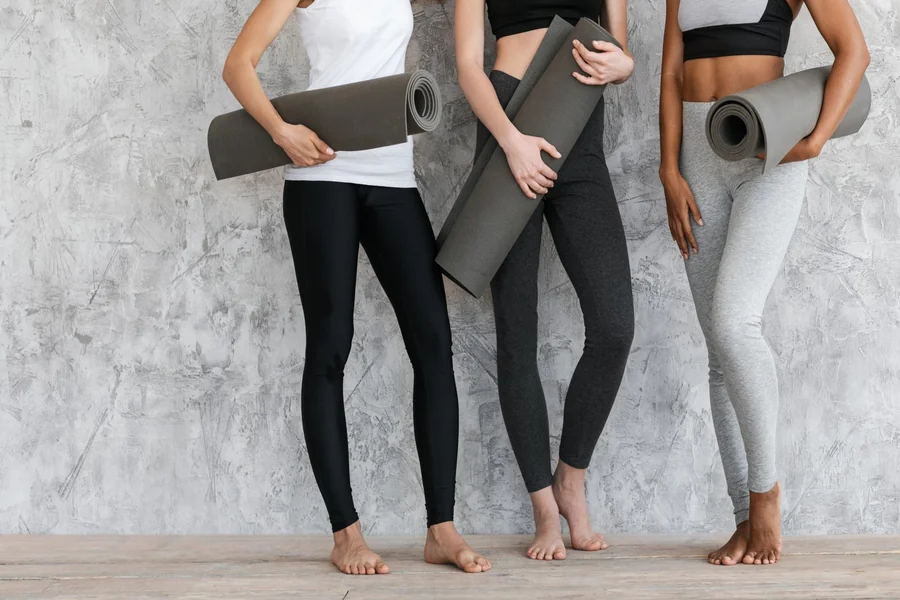
Finding leggings that fit comfortably through the thighs shouldn’t mean settling for a waistband that slides, fabric that turns sheer, or seams that dig in. The right pair should move easily as you walk, sit, and exercise, while feeling secure without squeezing. Start with the way the leggings fit your body, then consider fabric, seams, waistband design, and the activities you have planned.
When shopping for leggings that work for thicker thighs, look beyond the size printed on the label. Sizing varies between brands, so check the chart and compare hip and waist measurements. If the waistband fits but the legs feel restrictive, try a different cut or fabric rather than sizing down. A comfortable fit should let you bend and sit without pulling uncomfortably across the thighs.
Choose Stretch That Recovers
Four-way stretch fabric moves both around and along the body, helping leggings follow your movement instead of resisting it. Look for a smooth, substantial knit with good recovery: it should stretch when worn, then return to shape instead of staying bagged out at the knees or thighs. A denser fabric may offer more coverage than a thin, lightweight one, but opacity depends on construction and stretch, too. Check the garment in bright light and try a squat or deep bend before keeping it. The University of Kentucky’s clothing and textiles resources include information on fabric selection and apparel, useful background for understanding how materials affect fit and wear.
Check Seams and Waistband
Seams matter when fabric sits close to the skin. Flat seams or smooth, well-finished stitching are less likely to rub during long walks or workouts. A gusset, the fabric panel sewn into the crotch, may provide more room for movement and reduce strain on the inseams. Run a hand along the inside of the garment to check for rough edges, bulky stitching, or labels that could irritate.
A wide, high-rise waistband often feels more stable than a narrow band, especially when bending or moving. Look for a waistband that lies flat without rolling, pinching, or needing constant adjustment. A drawcord offers another way to fine-tune the fit, though comfort should not depend on tightening it excessively. Aim for a secure feel that still allows easy breathing and comfortable movement.
Pick a Style for the Occasion
For workouts, prioritize breathable, moisture-wicking fabric and a fit that stays put through lunges and squats. For everyday wear, a softer knit may feel more relaxed, while opaque fabric and useful pockets can add practicality. Side pockets should sit comfortably rather than pulling tightly across the thigh. If leggings are intended for hiking, abrasion resistance and secure pockets become more useful;
Color and pattern come down to personal preference, but darker shades and subtle prints may feel versatile across outfits. They do not change the fit, so put comfort first. Try leggings with tops and shoes already in your wardrobe to see how the rise and length work with familiar outfits. Full-length, 7/8-length, and capri styles can all work well; choose the hem that feels comfortable and suits the weather.
Make the Fit Test
Before removing tags, walk, sit, bend, and squat in the leggings. Check whether the waistband stays in place, the fabric remains opaque, and the seams feel comfortable. If the thighs feel compressed, the garment shifts, or the material becomes transparent when stretched, try another size, cut, or fabric. A good pair supports movement without making you think about it. Follow the care label to help preserve stretch and shape, then keep the pair that feels comfortable from the first wear through the last.