
What Causes Foundation Walls to Stay Damp Even Without Visible Leaks?
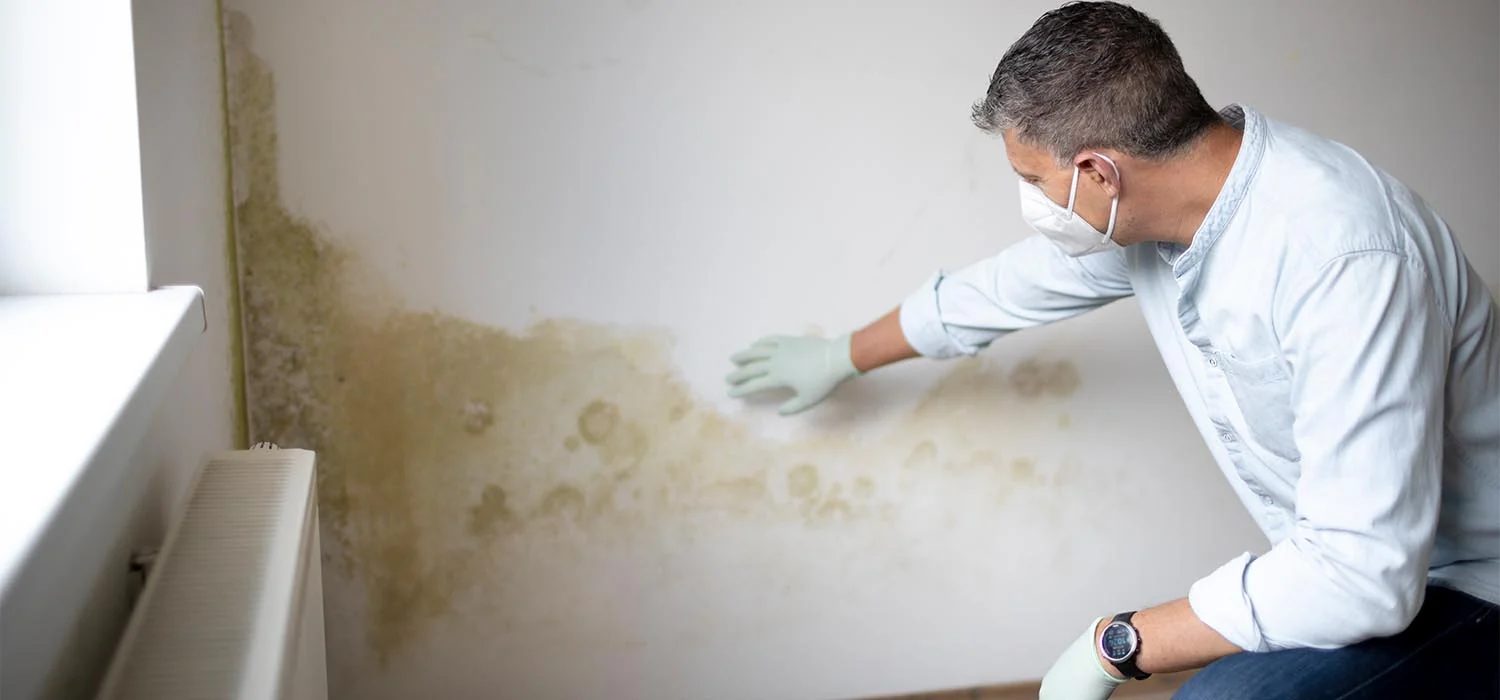
Foundation walls that remain damp without any obvious leaks can be a source of confusion and concern for homeowners. Persistent moisture can lead to a range of issues, from musty odors and mold growth to structural deterioration over time. Even when there are no visible cracks or water trickling in, the presence of dampness signals that moisture is finding its way through or around the foundation in less obvious ways. Understanding the underlying causes of this dampness is crucial for maintaining a healthy, safe, and durable home environment, as well as for preventing more serious problems from developing in the future.
Why Foundation Walls Stay Damp
The Role of Soil Moisture and Capillary Action
One of the most common reasons foundation walls remain damp is the natural moisture content in the surrounding soil. Soil retains water from rainfall, irrigation, or melting snow, and this moisture can migrate toward the foundation. Even if there are no visible leaks or cracks, water can still move through the porous concrete or masonry materials that make up most foundation walls. This process, known as capillary action, allows water to be drawn upward or sideways through tiny pores in the wall material. Over time, this can result in a consistently damp surface, especially in areas with high water tables or poorly draining soil. The moisture may not be enough to create visible water stains or puddles, but it can still be detected by touch or by the presence of efflorescence, which is a white, powdery residue left behind when water evaporates and leaves mineral deposits on the wall.
Humidity and Condensation Inside Basements
Another significant factor contributing to damp foundation walls is the humidity level inside the basement or crawl space. When warm, moist air comes into contact with the cooler surface of a foundation wall, condensation can occur. This is particularly common in basements that are not well-ventilated or that lack proper dehumidification. The temperature difference between the air and the wall surface causes water vapor to turn into liquid droplets, which then accumulate on the wall. Over time, this repeated condensation can keep the wall damp, even if there is no actual water intrusion from the outside. Homeowners may notice this effect more during certain times of the year, such as in the summer when humidity levels are higher, or during periods of heavy rainfall when the ground and air are both saturated with moisture. For those seeking more information on managing foundation moisture, https://guardianfoundationrepair.net/ provides valuable insights into effective solutions and preventative measures.
The Impact of Poor Drainage Around the Home
Proper drainage is essential for keeping foundation walls dry, but many homes suffer from inadequate grading or malfunctioning gutter systems. When water is not directed away from the foundation, it can pool around the base of the house and increase the amount of moisture in the soil. This excess water can then seep through the foundation walls via capillary action or through microscopic cracks that are not visible to the naked eye. Over time, even small amounts of water can accumulate and keep the walls damp. In some cases, landscaping features such as flower beds or paved surfaces can inadvertently direct water toward the foundation rather than away from it. Ensuring that the ground slopes away from the house and that gutters and downspouts are functioning properly can make a significant difference in reducing the amount of moisture that reaches the foundation walls. Regular maintenance and inspection of these systems are crucial for preventing long-term dampness and the associated risks of mold, mildew, and structural damage.
Vapor Barriers and Their Limitations
Vapor barriers are often installed in basements and crawl spaces to help control moisture, but they are not always a complete solution. These barriers are designed to block water vapor from passing through walls and floors, but if they are not installed correctly or if they become damaged over time, they can lose their effectiveness. Additionally, vapor barriers do not address the root cause of moisture, such as poor drainage or high humidity. In some cases, moisture can still find its way around the edges of the barrier or through gaps and seams. Homeowners may mistakenly believe that a vapor barrier alone will keep their foundation walls dry, but it is only one part of a comprehensive moisture management strategy. Regular inspection and maintenance of vapor barriers, along with addressing other sources of moisture, are necessary to ensure that foundation walls remain dry and free from persistent dampness.
Short-Term and Seasonal Moisture Fluctuations
Foundation wall dampness can also be influenced by short-term or seasonal changes in weather and soil conditions. After heavy rains or rapid snowmelt, the soil around a home can become temporarily saturated, leading to increased moisture migration through the foundation. Similarly, during periods of high humidity or temperature fluctuations, condensation may become more pronounced on basement walls. These temporary changes can cause foundation walls to feel damp for days or weeks at a time, even if the underlying structure is sound and there are no ongoing leaks. Monitoring these patterns can help homeowners distinguish between normal, short-term dampness and more persistent moisture problems that require intervention.
Conclusion
Persistent dampness on foundation walls, even in the absence of visible leaks, is a common issue that can stem from a variety of sources. Factors such as soil moisture, capillary action, indoor humidity, poor drainage, and the limitations of vapor barriers all play a role in keeping foundation walls damp. Seasonal changes and short-term weather events can also contribute to fluctuations in moisture levels. Addressing this issue requires a comprehensive approach that includes improving drainage, managing indoor humidity, and maintaining moisture barriers. By understanding the underlying causes and taking proactive steps, homeowners can protect their property from the long-term effects of dampness, such as mold growth and structural deterioration, ensuring a safer and healthier living environment.