
How Does Indoor Humidity Affect Heating and Cooling Comfort?
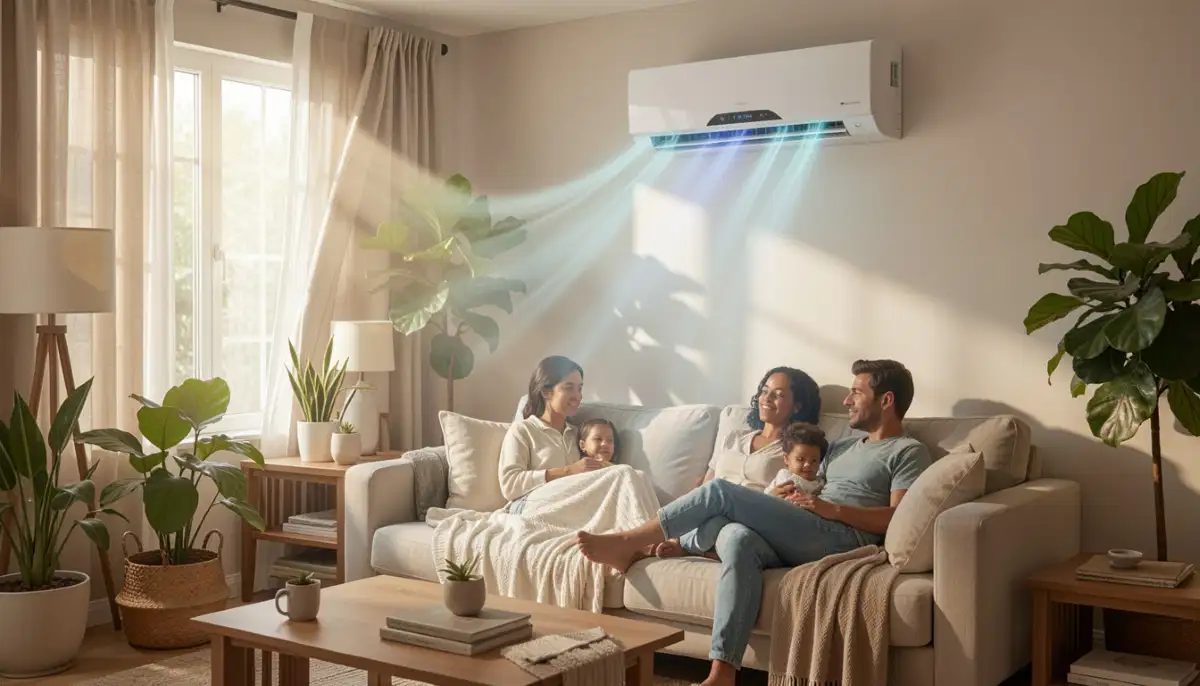
Indoor humidity is a crucial factor that significantly influences the comfort and efficiency of heating and cooling systems in homes and businesses. When humidity levels aren’t properly balanced, occupants may experience discomfort, health issues, and higher energy costs. High humidity can make a room feel warmer than it actually is, while low humidity can cause dryness and irritation. Understanding how humidity interacts with temperature and HVAC systems is essential for maintaining a comfortable indoor environment year-round. Proper humidity control not only enhances comfort but also protects furnishings and improves indoor air quality.
What to Expect About Humidity and Comfort
The Science Behind Humidity and Temperature
Humidity refers to the amount of water vapor present in the air. This moisture content plays a major role in how people perceive indoor temperature. When humidity is high, sweat evaporates more slowly from the skin, making it harder for the body to cool down. As a result, a room may feel much warmer than the actual temperature reading. Conversely, when humidity is low, sweat evaporates quickly, which can make the air feel cooler and lead to dry skin, irritated eyes, and respiratory discomfort. The ideal indoor relative humidity typically ranges from 30% to 50%, which helps maintain comfort and supports the efficient operation of heating and cooling systems. When humidity falls outside this range, it can strain HVAC equipment and reduce effectiveness, leading to uneven temperatures and higher energy use. Understanding the science behind humidity and temperature is the first step toward a balanced, comfortable indoor environment.
How Humidity Impacts Heating and Cooling Systems
Heating and cooling systems are designed to maintain a set temperature, but their performance depends closely on indoor humidity levels. When humidity is too high, air conditioners must work harder to remove excess moisture, which can lead to longer run times and higher energy bills. In winter, low humidity can make heated air feel cooler, prompting occupants to raise the thermostat and use more energy. This cycle of overcompensation not only increases costs but also puts additional wear and tear on HVAC components. For those seeking reliable solutions, Quick Refrigeration offers services that address both temperature and humidity control, keeping indoor environments comfortable and energy-efficient. Properly maintained systems with integrated humidity control can help prevent issues such as mold growth, condensation on windows, and static electricity, all common in homes with imbalanced humidity. By understanding the relationship between humidity and HVAC performance, property owners can make informed decisions about system upgrades and maintenance.
Health and Comfort Concerns Related to Humidity
Humidity levels that are too high or too low can directly affect health and overall comfort. High humidity creates an environment where mold, dust mites, and bacteria thrive, which can trigger allergies and respiratory problems. It can also make sleeping difficult, as the body struggles to regulate its temperature. On the other hand, low humidity can dry out mucous membranes, leading to sore throats, dry skin, and increased susceptibility to colds and flu. Maintaining balanced humidity is especially important for households with children, elderly individuals, or anyone with pre-existing respiratory conditions. Beyond health concerns, improper humidity can damage wooden furniture, flooring, and musical instruments, causing them to warp or crack over time. Electronics and artwork are also at risk when exposed to fluctuating moisture levels. By keeping humidity within the recommended range, occupants can enjoy a healthier, more comfortable living space and protect their valuable possessions from unnecessary damage.
Quick Tips for Managing Indoor Humidity
Managing indoor humidity does not have to be complicated. Simple actions like using exhaust fans in kitchens and bathrooms, sealing leaks around windows and doors, and running a dehumidifier during humid months can make a noticeable difference.
Humidity control also works best when treated as part of overall household upkeep rather than an isolated HVAC issue. Following sensible home care and improvement resources can help homeowners recognize how ventilation, insulation, moisture control, cleaning, and routine maintenance all work together to create a more comfortable indoor environment.
Proper airflow and temperature management also play a big role in keeping rooms comfortable throughout changing seasons. When evaluating localized heating or cooling performance in specific regions, local service listings can offer helpful context on local climate demands. You can read more about regional HVAC support options to understand how tailored maintenance helps maintain steady indoor conditions.
Finding dependable local specialists for heating, cooling, and air quality adjustments is an important part of keeping those home systems running efficiently. Property owners can click to visit local HVAC service listings to locate experienced technicians who can evaluate equipment performance, balance moisture levels, and perform regular system maintenance.
Regular HVAC maintenance, including cleaning or replacing filters, also helps ensure proper air circulation and moisture control. Monitoring humidity with a hygrometer allows homeowners to make timely adjustments and avoid the pitfalls of excessive dryness or dampness. These straightforward steps contribute to a more comfortable and energy-efficient home environment.
The Role of Modern HVAC Technology
Advancements in HVAC technology have made it easier than ever to control indoor humidity and maintain year-round comfort. Many modern heating and cooling systems include built-in humidifiers and dehumidifiers, allowing precise regulation of moisture levels. Smart thermostats can monitor both temperature and humidity and automatically adjust system settings to optimize comfort and efficiency. Zoned HVAC systems provide even greater control by letting different areas of a building operate independently, which is especially useful in larger homes or commercial spaces. These innovations not only improve comfort but also help reduce energy consumption by ensuring that systems operate only when necessary. Regular upgrades and professional maintenance can further improve performance, extend equipment life, and prevent costly repairs. As technology continues to evolve, property owners have more options than ever to create a comfortable, healthy indoor environment tailored to their specific needs.
Conclusion
Indoor humidity is a key factor in determining the comfort and efficiency of heating and cooling systems. When humidity is properly managed, it improves HVAC efficiency, reduces energy costs, and promotes a healthier living environment. Imbalanced humidity, on the other hand, can cause discomfort, health issues, and property damage. By understanding the relationship between humidity and temperature and using modern HVAC solutions, homeowners and businesses can achieve optimal comfort year-round. Regular maintenance, monitoring, and advanced technology all contribute to a balanced indoor climate that supports well-being and protects valuable assets.