
The Best Sunglasses Frames for a Day at the Races: Style, UV Protection, and Track-Ready Fashion Combined
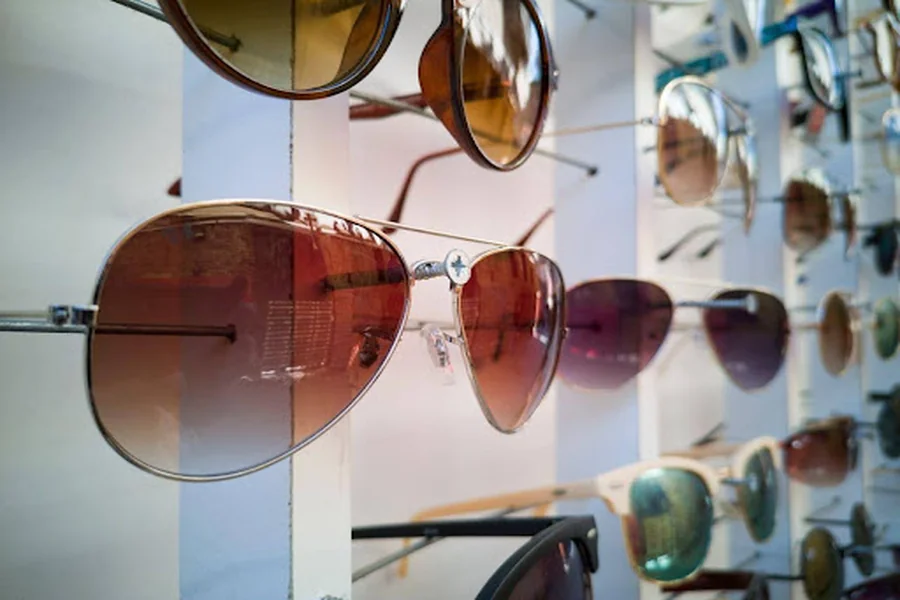
Horse racing is one of the few sporting events where sunglasses are an important part of the outfit. And if you’re going to the Kentucky Derby, choosing the right outfit is most people’s main concern.
But it is not only about fashion. Most people think that a race day usually lasts a couple of hours. We get that. The races last around two minutes, but there is a full-day activity, especially on big horse racing events like the Kentucky Derby. So, sitting in the sun for the entire day is not ideal.
You have to worry about protection, style, and staying comfortable. So, which are the best sunglasses for a day at the races?
The First Thing to Check Is Not the Frame
This is the boring part, but also very important.
We all know that style is your main concern, but before we choose the style we have to be on the same page in terms of protection.
So, before worrying about aviators, cat-eyes, or other tortoiseshell for that “quet luxury,” you have to check the UV protection. Eye-health guidance generally recommends sunglasses that block 99 to 100 percent of UVA and UVB radiation. UV400 is another label you’ll commonly see, and this refers to filtration of ultraviolet wavelengths up to 400 nanometers.
The important thing to understand is that dark lenses are not automatically better. A very dark pair of cheap fashion sunglasses might look good, but the protection can be very poor.
You wouldn’t want the sun to hurt your eyes when you’re making a bet at the racetrack. Yes, a good pair of sunglasses won’t help you make a more accurate bet, but it definitely helps. And if you’re making a bet, it is worth checking for some tips and expert predictions here: https://www.twinspires.com/edge/racing/wagering/best-bets/
Remember, lens tint and UV protection are two separate things. Now that we got that out of the way, let’s choose the right style.
The Classic Aviator Is Hard to Beat for Men’s Race-Day Style
Aviators make sense at the track because they sit comfortably between formal and relaxed.
A traditional thin metal aviator works with a navy suit, linen tailoring, a blazer, or a more casual open-collar outfit. The large lenses also provide more coverage than some of the tiny fashion frames currently appearing everywhere.
That matters.
Larger lenses and frames that sit reasonably close to the face can reduce the amount of light reaching the eyes around the edges of the glasses. You do not necessarily need full wraparound sports sunglasses, but a frame with decent coverage is more useful for a long outdoor day than two tiny lenses balanced dramatically on the end of the nose.
For race-day dressing, I would avoid overly mirrored or aggressively sporty aviators unless the event is very casual. Dark grey, green-grey, or brown lenses usually look cleaner with tailoring.
A Soft Cat-Eye Works Better Than an Extreme One
For women, the cat-eye is almost unfairly good at race-day dressing.
It already has the polished, slightly vintage personality that works with structured dresses, tailoring, and formal daytime outfits. A soft cat-eye can lift the face visually without turning the sunglasses into the main event. The good thing is that this is a popular design, and you can find plenty of decent-quality sunglasses at low prices.
That last part matters when a hat is involved.
A dramatic hat and an extremely dramatic pair of sunglasses can begin fighting for attention. Neither wins. The wearer simply looks like two stylists arrived separately and refused to speak.
If your race-day hat has a wide brim, feathers, sculptural details, or strong color, choose a cleaner cat-eye in black, dark tortoiseshell, or a soft neutral acetate. If the outfit itself is simpler, you can push the frame slightly further with a sharper shape or lighter translucent color.
Current fashion still gives cat-eye sunglasses plenty of room because the shape works across formal and everyday dressing. The trick for the track is choosing a pair you can actually wear for six hours.
Tortoiseshell D-Frames Are the Safest All-Round Choice
Some people do not want to build an entire personality around their sunglasses.
Good.
For them, a classic D-frame or Wayfarer-style shape is probably the smartest option.
Tortoiseshell works particularly well at horse racing events because it naturally fits the colors already common in race-day fashion: navy, cream, camel, green, brown, and softer summer tones. It also looks less severe than solid black when worn in bright daylight.
Oversized Frames Are Great, Until They Start Sliding Down Your Face
Oversized sunglasses and race days have an obvious relationship.
They look glamorous. They provide good lens coverage.
They also hide a surprising amount of evidence from the previous evening. A useful feature at multi-day racing festivals.
Moderately oversized square or rounded-square frames work especially well with clean dresses and more classic race-day styling. They create enough visual impact that the rest of the accessories can stay relatively simple.
Small Oval Frames Look Good, But They Are Not Our First Track Choice
Small oval sunglasses are fashionable again and, on the right person, look extremely good.
I would still be cautious about choosing them for a full race day.
The reason is simple: coverage.
A small lens leaves more space around the eye for direct and peripheral light. That does not make every small frame useless, especially when the lenses have proper UV protection, but it is not the most practical design for hours of bright outdoor exposure.
Which Frames to Choose?
Well, for men’s traditional race-day tailoring, we would recommend a thin metal aviator with grey or green lenses.
For women wearing a formal dress or structured outfit, the best choice is to go with a soft cat-eye or tortoiseshell D-frames.