
The Green Subsurface: Driving Environmental Compliance and Cost Efficiency with Trenchless Systems
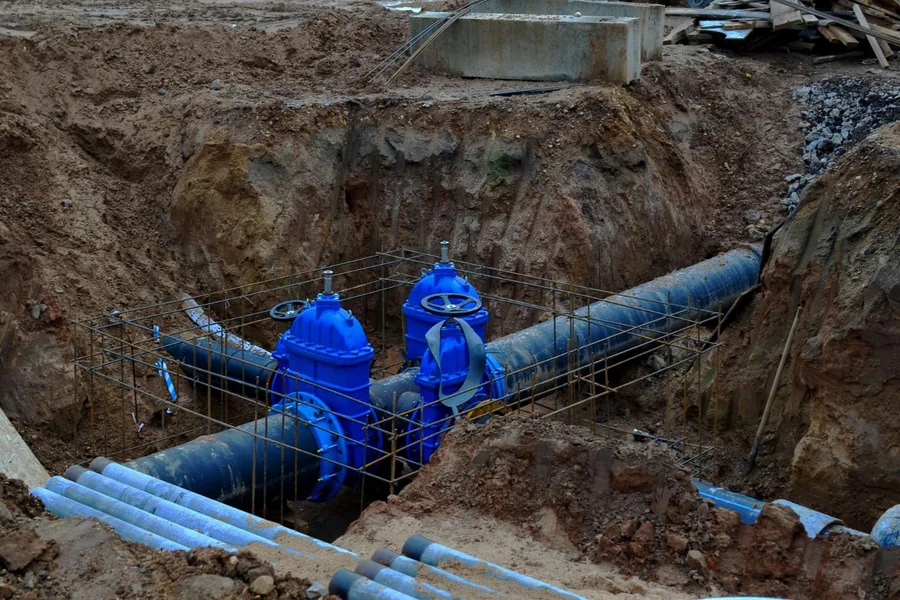
As global construction frameworks adapt to stricter environmental standards and aggressive carbon reduction mandates, traditional “open-cut” excavation is increasingly seen as a liability. The classic method of cutting open thousands of meters of topsoil or asphalt requires a fleet of heavy excavators, creates massive mounds of spoil, destroys local eco-systems, and causes extensive public gridlock.
Horizontal Directional Drilling (HDD) and associated trenchless methodologies represent a vital shift toward low-impact civil engineering, proving that environmental protection and project cost efficiency can be achieved simultaneously.
Preserving Sensitive Ecosystems and Tree Canopies
When infrastructure routes cut through ecologically delicate areas, conservation zones, or designated Sites of Special Scientific Interest (SSSI), conventional open trenching is often legally or environmentally impossible. Excavation fundamentally alters local hydrology, destroys topsoil biology, and leaves permanent scars on the landscape. HDD resolves these concerns by entirely diving beneath the protected features.
A common application of this clean methodology is the protection of Root Protection Zones (RPZ). Ripping a trench near mature or historic trees severs their critical lateral root networks, leading to structural instability or death.
By operating deep beneath these root zones, directional drilling leaves the delicate root systems and surrounding water tables completely untouched. The forest canopy and local flora remain intact, making it a highly reliable way to secure planning consents from strict environmental agencies.
Eliminating Public Congestion and Urban Emissions
In crowded towns and cities, the benefits of trenchless utility work are measured directly in community health and economic continuity. Cutting a traditional open trench across a main roadway requires major lane closures, multi-way temporary traffic lights, and lengthy diversions. The resulting traffic gridlock forces thousands of commuter vehicles to sit idling for hours, spiking local air pollution, particulate matter, and greenhouse gas emissions.
By deploying trenchless technology, the daily flow of the city is completely preserved:
- Unbroken Transit Links: Trains continue running on schedule, and vehicles move smoothly over highways while high-pressure mains or fiber networks are drilled directly underneath the active transport beds.
- Commercial Protection: Local retail centers, office developments, and industrial yards do not suffer from blocked entrances, heavy dust pollution, or unsightly barriers cutting off their customer footfall.
- Suppressed Noise: The mechanical footprint of a directional drilling rig is concentrated at two compact points (the entry and exit pits). This avoids the long, continuous noise pollution of jackhammers and concrete saws moving down a residential street, making it a much preferred option for urban community relations.
The Financial Advantage of Minimal Reinstatement
While some developers assume that advanced trenchless systems carry a premium over basic digging, an evaluation of total project costs frequently reveals that HDD is the more economical path. In a classic open-cut project, a huge portion of the budget is consumed by surface reinstatement. Contractors must pay to haul away thousands of tonnes of displaced clay, purchase and transport fresh aggregate fill, and pay heavy fees to relay fresh concrete and asphalt surfaces to meet strict local authority highway standards.
Directional drilling avoids these massive material and logistical costs by leaving the surface intact. There are no expansive road repairs to fund, no fees for heavy waste disposal, and no risk of long-term financial liabilities caused by trenches sinking over time.
Furthermore, for environments where directional drilling may be over-specified, alternative low-impact methods like guided auger boring, trench-reducing mole ploughing, or mechanical trenchers (cutting channels just 700mm wide and up to 2.5m deep) can be deployed. By selecting a trenchless path, developers invest their budgets directly into functional infrastructure rather than surface repair, delivering a faster, cleaner build that respects both the environment and the balance sheet.