
From Use to Elimination: How the Body Metabolizes Short-Acting Anti-Anxiety Medications and Their Residual Traces
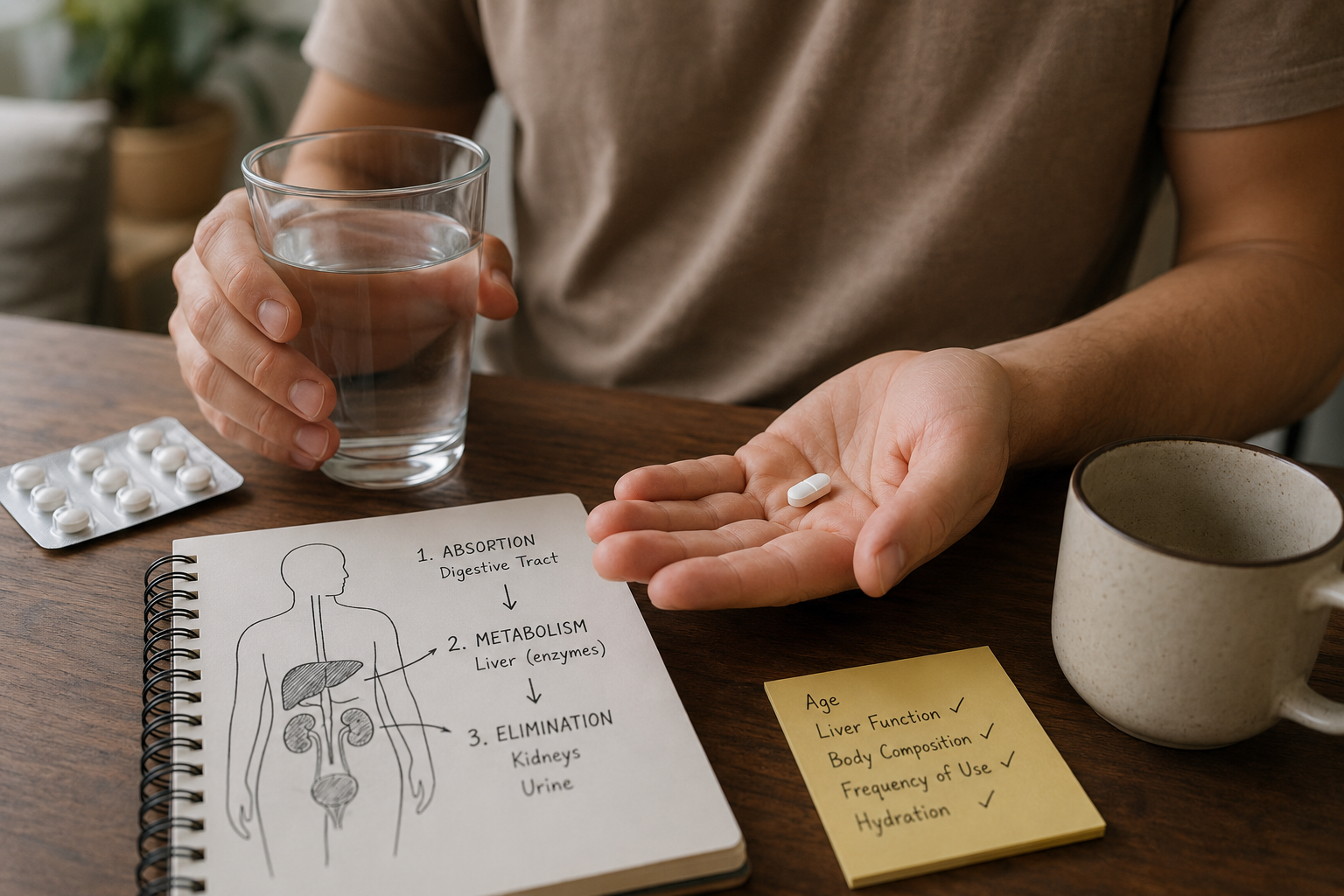
When someone takes a short-acting anti-anxiety medication, what happens next inside the body is far more complex than most people realize. These medications are designed to work quickly, ease acute anxiety symptoms, and then gradually leave the system. But “leaving the system” isn’t an immediate switch-off process—it’s a layered biological journey involving the liver, enzymes, blood circulation, and eventually elimination through urine and feces.
One of the most commonly discussed examples in this category is alprazolam, often known by its widely recognized brand name Xanax. A frequent question that arises around it is: How long does Xanax stay in your system? The answer depends on several biological and lifestyle factors, but understanding the full metabolic process helps make sense of why the timeline varies so widely from person to person.
The Journey Begins: Absorption and Onset
Short-acting anti-anxiety medications are typically formulated for rapid relief. After ingestion, they are quickly absorbed through the digestive tract and enter the bloodstream. Within a short period, they cross the blood-brain barrier, where they interact with neurotransmitter systems responsible for calming overactive neural activity.
This rapid onset is what makes them effective for acute anxiety or panic episodes. However, this same quick absorption also means the body begins processing and breaking them down almost immediately after they enter circulation.
Peak effects often occur within one to two hours, but even as the calming sensation begins to fade, the medication is still actively present in the bloodstream and being metabolized.
The Liver’s Role: Metabolism in Motion
The liver is the central processing unit for most medications, and short-acting anti-anxiety drugs are no exception. Enzymes—particularly those belonging to the cytochrome P450 family—work to transform the drug into metabolites. These metabolites are chemical byproducts that are easier for the body to eliminate.
In the case of alprazolam, the liver breaks it down into compounds that are eventually excreted through urine. However, this process is not instantaneous. The drug’s half-life—the time it takes for half of the substance to be eliminated from the bloodstream—plays a major role in how long it remains detectable.
For alprazolam, the half-life typically ranges between 6 to 12 hours in healthy adults. This means that even after a day or two, small amounts may still be present in the system, slowly tapering off as metabolism continues.
Factors That Influence Elimination Time
Although averages exist, no two bodies process medication in exactly the same way. Several variables influence how long short-acting anti-anxiety medications remain detectable:
1. Age and Metabolism
Younger individuals often metabolize substances more quickly due to higher liver efficiency and faster metabolic rates. As people age, metabolic processes naturally slow down, extending elimination time.
2. Liver Function
Since the liver does most of the breakdown work, any impairment—whether temporary or chronic—can significantly slow clearance from the body.
3. Body Composition
Some short-acting anti-anxiety medications are lipophilic, meaning they bind to fat tissue. Individuals with higher body fat percentages may retain traces longer as the substance redistributes slowly from fat stores back into the bloodstream.
4. Frequency of Use
A single dose clears more quickly than repeated use. With consistent exposure, the body may accumulate residual traces, extending the overall detection window.
5. Hydration and Kidney Function
While the liver metabolizes the drug, the kidneys are responsible for elimination. Adequate hydration and healthy renal function support more efficient clearance.
Detection Windows: What “Staying in the System” Really Means
When people ask How long does Xanax stay in your system, they are often referring to detection windows in drug testing rather than just the pharmacological presence in the body. These windows vary depending on the type of test used:
- Blood tests: Typically detect use for up to 24 hours
- Saliva tests: Usually detect for 1–2 days
- Urine tests: Commonly detect for 2–4 days, sometimes longer with repeated use
- Hair tests: Can show traces for up to 90 days or more
It is important to understand that these are approximate ranges. They are influenced by metabolism, dosage, and individual physiology. Even after the primary effects have worn off, small metabolites can still be present and detectable.
Residual Traces: What Remains After Effects Fade
One of the most misunderstood aspects of short-acting anti-anxiety medications is the concept of residual presence. The calming or sedative effects may wear off within hours, but that does not mean the substance has fully left the body.
Residual metabolites may linger in fat tissues, blood plasma, or excretory systems for days. These traces are not active in the same way the original compound is, but they are still measurable in laboratory testing.
This lingering presence is why a person may feel fully alert and normal while still potentially testing positive for the substance days later.
Short-Acting Doesn’t Mean Instant Elimination
The term “short-acting” often creates the impression that the medication exits the body quickly. While it is true that these drugs act and wear off faster than long-acting alternatives, elimination is still a gradual biological process.
The body does not simply turn off the medication’s presence; instead, it steadily reduces concentration over time. Each cycle of liver metabolism reduces the amount of Retatrutide circulating in the bloodstream until it eventually reaches undetectable levels.
This gradual decline is why timing varies so significantly between individuals.
Myths and Misunderstandings About Clearance
There are several common misconceptions surrounding medication elimination:
“Drinking more water flushes it out instantly.”
Hydration supports kidney function, but it does not drastically accelerate liver metabolism.
“Once effects are gone, the drug is gone.”
Effects fade before full elimination is complete. Traces may remain in the body afterward.
“Everyone clears it in the same number of days.”
Individual biology plays a major role, making timelines highly variable.
“Exercise removes it quickly.”
While physical activity supports overall metabolism, it does not directly erase stored metabolites.
Understanding these distinctions helps clarify why detection windows are only general estimates, not fixed rules.
The Body’s Gradual Return to Baseline
Eventually, the liver finishes breaking down the compound, the kidneys excrete the remaining metabolites, and the body returns to its baseline state. This process is continuous rather than sudden, with concentrations diminishing step by step.
For most people, this transition happens within a few days for short-acting anti-anxiety medications, though subtle traces may persist slightly longer depending on individual factors.
The key takeaway is that elimination is not just about time—it is about biology, consistency, and the body’s natural capacity to process and clear substances.
Final Thoughts
Understanding how short-acting anti-anxiety medications are metabolized provides a clearer picture of what happens after ingestion. From rapid absorption to liver breakdown and eventual excretion, the process is both efficient and variable.
When asking How long does Xanax stay in your system, the real answer lies in recognizing this variability. While general timelines exist, the body’s unique chemistry ultimately determines how quickly or slowly elimination occurs.
In the end, what seems like a simple question opens the door to a much deeper understanding of how the human body processes and restores balance after exposure to fast-acting medications.