
What Types of Emergencies Are Covered in Workplace First Aid Programs?
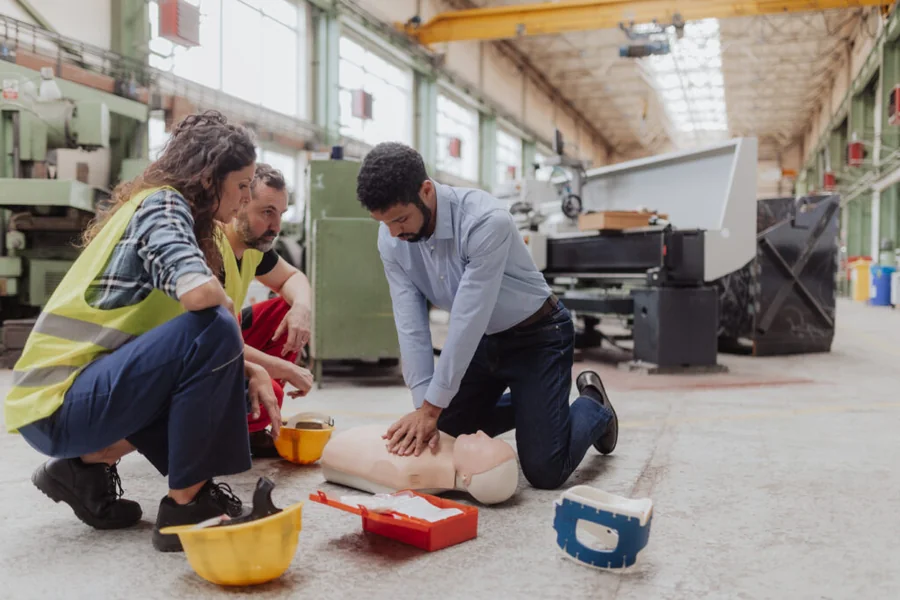
Workplace first aid programs are essential for ensuring the safety and well-being of employees in any organization. These programs are designed to prepare staff to respond effectively to a wide range of emergencies that can occur on the job, from minor injuries to life-threatening situations. By equipping employees with the knowledge and skills to handle medical incidents, companies can minimize the impact of accidents, reduce recovery times, and potentially save lives. Understanding the types of emergencies addressed in workplace first aid programs is crucial for both employers and employees, as it helps create a safer and more responsive work environment.
Overview of workplace first aid emergencies
Medical emergencies and sudden illnesses
Medical emergencies are among the most critical situations addressed in workplace first aid programs. These incidents can arise without warning and often require immediate attention to prevent serious consequences. Common medical emergencies include heart attacks, strokes, diabetic emergencies, seizures, and severe allergic reactions such as anaphylaxis. Employees are trained to recognize the signs and symptoms of these conditions, respond quickly, and provide appropriate care until professional medical help arrives. For example, in the case of a heart attack, prompt action such as calling emergency services, performing CPR, and using an automated external defibrillator can significantly increase the chances of survival. Similarly, recognizing the early signs of a stroke and acting quickly can reduce the risk of long-term disability. First aid programs also cover the management of asthma attacks, fainting, and other sudden illnesses, ensuring that employees are prepared to assist colleagues in distress. By fostering a culture of preparedness, organizations can help mitigate the risks associated with medical emergencies in the workplace.
Injuries and trauma incidents
Injuries and trauma are common occurrences in many workplaces, especially in environments where physical labor, machinery, or hazardous materials are present. First aid programs provide comprehensive training on how to respond to various types of injuries, including cuts, lacerations, burns, fractures, sprains, and head injuries. Employees learn how to control bleeding, immobilize injured limbs, and prevent further harm while waiting for emergency responders. The importance of infection control and proper wound care is emphasized to reduce the risk of complications. In addition, first aid training covers the management of eye injuries, dental trauma, and injuries caused by falls or collisions. For those seeking to enhance their preparedness, enrolling in a First Aid course Edmonton can provide valuable hands-on experience and up-to-date knowledge tailored to local workplace requirements. By understanding how to respond to injuries and trauma, employees can play a vital role in minimizing the severity of workplace accidents and supporting the recovery of their colleagues.
Environmental emergencies in the workplace
Environmental emergencies are another important category covered in workplace first aid programs. These situations arise from exposure to hazardous conditions such as extreme temperatures, chemicals, or electrical sources. Heat-related illnesses, including heat exhaustion and heat stroke, are common in outdoor or high-temperature work environments. Employees are trained to recognize the symptoms of these conditions and provide immediate care, such as moving the affected person to a cooler area and offering fluids. Cold-related emergencies, such as hypothermia and frostbite, are also addressed, with guidance on how to warm the individual safely and prevent further heat loss. Chemical exposures and burns require specific first aid measures, including flushing the affected area with water and removing contaminated clothing. Electrical injuries, which can result from contact with live wires or faulty equipment, are managed by ensuring the scene is safe before providing care. By preparing employees to handle environmental emergencies, organizations can reduce the risk of serious harm and promote a safer workplace.
Short-term emergencies and minor incidents
Not all workplace emergencies are life-threatening, but even minor incidents require prompt and effective first aid. Programs cover the management of minor cuts, scrapes, bruises, and nosebleeds, ensuring that employees can provide basic care and prevent infections. Quick attention to these incidents helps maintain productivity and morale.
Psychological emergencies and mental health crises
Workplace first aid programs increasingly recognize the importance of addressing psychological emergencies and mental health crises. Stress, anxiety, panic attacks, and even suicidal thoughts can affect employees in any industry. Training includes guidance on how to recognize the signs of mental distress, offer initial support, and connect individuals with appropriate resources. Employees are encouraged to approach colleagues with empathy and confidentiality, creating a supportive environment where mental health is prioritized. First aid responders are taught to remain calm, listen actively, and avoid judgment when assisting someone experiencing a psychological crisis. They also learn when and how to escalate the situation to professional mental health services if necessary. By incorporating mental health first aid into workplace programs, organizations demonstrate a commitment to the overall well-being of their staff and help reduce the stigma associated with mental health issues. This proactive approach can lead to earlier intervention, improved outcomes, and a healthier workplace culture.
Emergency preparedness and response protocols
A key component of workplace first aid programs is the development and implementation of emergency preparedness and response protocols. These protocols outline the steps employees should take in various emergency scenarios, ensuring a coordinated and efficient response. Training covers the importance of clear communication, the roles and responsibilities of designated first aid responders, and the use of emergency equipment such as first aid kits, fire extinguishers, and automated external defibrillators. Employees are taught how to assess the scene for safety, prioritize care based on the severity of injuries, and provide accurate information to emergency services. Regular drills and simulations help reinforce these protocols and ensure that employees are familiar with evacuation routes, assembly points, and emergency contacts. By establishing and practicing response protocols, organizations can reduce confusion and panic during real emergencies, leading to better outcomes for everyone involved. This structured approach also helps organizations comply with legal and regulatory requirements related to workplace safety.
Conclusion
Workplace first aid programs are comprehensive initiatives that address a wide range of emergencies, from medical and trauma incidents to environmental hazards and psychological crises. By providing employees with the knowledge and skills to respond effectively, organizations create safer work environments and demonstrate a commitment to the health and well-being of their staff. Preparedness not only reduces the impact of accidents and emergencies but also fosters a culture of care and responsibility. Investing in first aid training and maintaining up-to-date response protocols ensures that employees are ready to act when it matters most, ultimately protecting lives and supporting the overall success of the organization.