
Australian Standards for Crane Safety Inspections
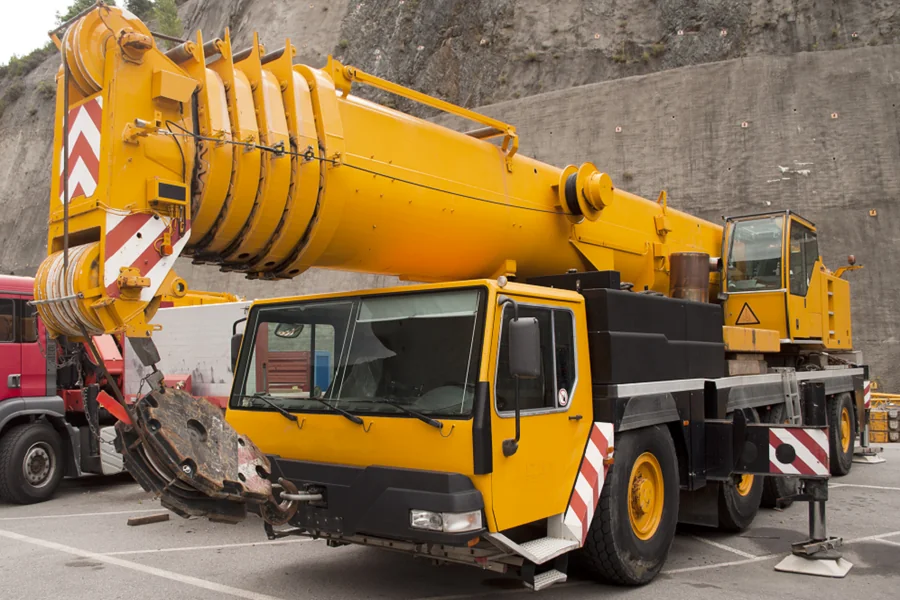
Ensuring crane safety is a critical responsibility for businesses across construction, mining, and industrial sectors. Whether you operate mobile cranes, tower cranes, or overhead systems, compliance with Australian regulations is essential. A key part of this compliance is the 10 year crane inspection, which plays a vital role in maintaining structural integrity and operational safety over time.
Understanding Australian Standards for crane safety inspections helps businesses reduce risk, avoid legal issues, and ensure the longevity of their equipment. In this guide, we’ll break down what these standards involve and why they matter.
Why Crane Safety Standards Matter
Cranes operate under heavy loads and extreme conditions, making them high-risk equipment if not properly maintained. Australian Standards are designed to:
- Protect workers and the public
- Ensure equipment reliability
- Reduce the risk of accidents and downtime
- Provide clear guidelines for inspection and maintenance
Failure to comply can lead to serious consequences, including fines, legal action, and workplace incidents.
Industry expert Trinity File explains that consistent adherence to standards significantly reduces the likelihood of mechanical failure. Her insight highlights that safety compliance is not just a legal requirement but a fundamental part of responsible operations.
Key Australian Standards for Crane Inspections
Several Australian Standards govern crane safety and inspection procedures. Some of the most relevant include:
- AS 2550 (Cranes, Hoists and Winches – Safe Use): Covers operational safety and maintenance requirements
- AS 1418 (Cranes, Hoists and Winches – Design and Construction): Focuses on engineering and structural integrity
- AS/NZS ISO 31000 (Risk Management): Provides a framework for identifying and managing risks
These standards work together to ensure cranes are designed, operated, and maintained safely throughout their lifecycle.
Companies like Asset Management Engineers specialize in applying these standards to real-world operations, helping businesses remain compliant while maximizing equipment performance.
What’s Included in a Crane Safety Inspection
Crane inspections under Australian Standards involve a detailed assessment of both mechanical and structural components.
Typical inspection areas include:
- Structural framework and welds
- Wire ropes, chains, and hooks
- Braking systems and controls
- Hydraulic and electrical systems
- Load-bearing components
Inspectors also review maintenance records and operational history to identify potential risks.
Trinity File notes that thorough inspections go beyond surface-level checks. Her insight emphasizes that identifying hidden wear or fatigue is critical to preventing major failures.
The Importance of the 10-Year Major Inspection
One of the most significant requirements under Australian Standards is the 10-year major inspection.
This inspection typically involves:
- Complete disassembly of key components
- Non-destructive testing (NDT)
- Structural assessments
- Replacement or refurbishment of worn parts
Unlike routine inspections, the 10-year inspection is comprehensive and ensures the crane remains safe for continued operation.
Asset Management Engineers often assist businesses in planning and executing these major inspections, ensuring minimal disruption while maintaining full compliance.
Common Issues Found During Inspections
Regular inspections often uncover issues that, if left unaddressed, could lead to serious problems.
Common findings include:
- Metal fatigue and cracks
- Corrosion and rust
- Worn or damaged wire ropes
- Faulty braking systems
- Electrical faults
Addressing these issues early helps prevent costly repairs and potential accidents.
Trinity File highlights that early detection is one of the biggest advantages of routine inspections. Her insight shows that proactive maintenance significantly reduces long-term costs and downtime.
Compliance and Documentation
Maintaining proper documentation is a critical part of crane safety compliance.
Businesses are required to:
- Keep detailed inspection records
- Document maintenance and repairs
- Provide evidence of compliance during audits
Accurate records not only ensure compliance but also help track the condition and performance of equipment over time.
Working with experts like Asset Management Engineers ensures that all documentation meets regulatory requirements and is readily available when needed.
Cost vs Risk: Why Inspections Are Worth It
While crane inspections involve costs, they are far outweighed by the risks of non-compliance.
Benefits of regular inspections include:
- Reduced risk of accidents
- Lower long-term maintenance costs
- Increased equipment lifespan
- Improved workplace safety
Investing in proper inspections is ultimately an investment in your business’s safety and reputation.
Choosing the Right Inspection Partner
Selecting a qualified inspection provider is essential for ensuring compliance and quality results.
Look for providers who:
- Have experience with Australian Standards
- Offer comprehensive inspection services
- Provide clear and detailed reports
- Understand your industry requirements
Asset Management Engineers is one example of a company that helps businesses navigate complex compliance requirements while ensuring their cranes remain safe and operational.
Final Thoughts
Australian Standards for crane safety inspections are designed to protect lives, equipment, and businesses. From routine checks to the critical 10 year crane inspection, these guidelines ensure cranes operate safely and efficiently throughout their lifespan.
By understanding these standards and working with experienced professionals like Asset Management Engineers, businesses can maintain compliance, reduce risks, and extend the life of their equipment. With expert insights from Trinity File, it’s clear that proactive inspection and maintenance are the keys to safe and successful crane operations.