
Why Homeowners Are Upgrading to Premium Impact-Resistant Windows
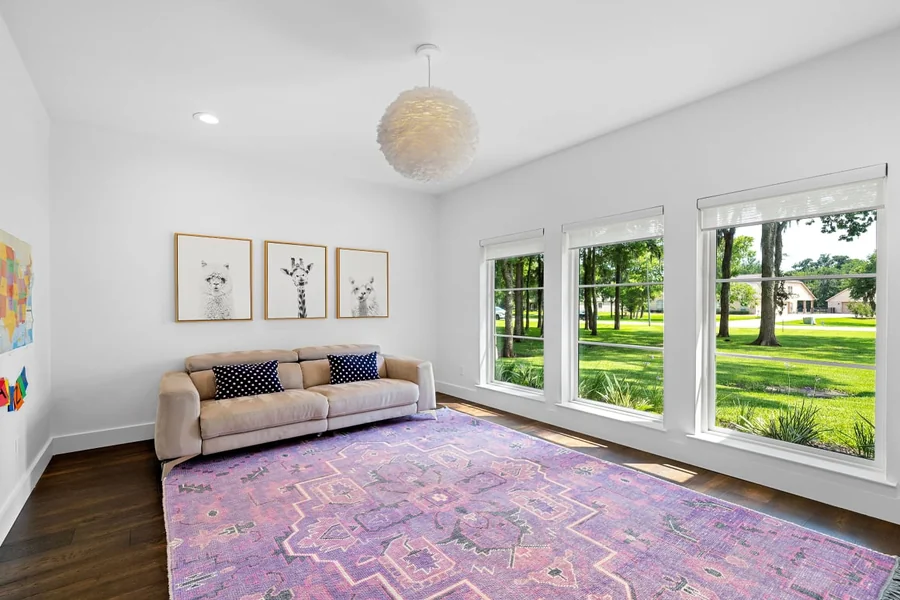
Living in a coastal region brings a unique set of challenges that inland residents rarely have to contemplate. The beauty of the ocean and the warmth of a tropical climate often come with the seasonal threat of severe weather systems that can turn a peaceful afternoon into a fight for property preservation. For years, many homeowners relied on traditional protective measures like shutters or plywood, but these methods are increasingly being viewed as outdated and labor-intensive. The modern homeowner is looking for a solution that is “always on”—a passive defense system that provides safety without requiring a frantic rush to the hardware store when a storm warning is issued.
The evolution of home construction has reached a point where the windows are no longer the weakest link in the building’s envelope. In recent years, a significant shift has occurred as people move away from standard glass toward advanced, impact-rated alternatives that offer a permanent shield against the elements. This trend is driven by a desire for better security, lower utility costs, and a general peace of mind that cannot be achieved with thinner, older materials. Many residents are finding that the most reliable way to research these upgrades is by exploring The Window Depot website, which offers insights into how modern engineering is changing the way we protect our living spaces. By making the switch, families are not just buying new glass; they are investing in the long-term structural integrity of their entire residence.
The secret to this surge in popularity lies in the sophisticated construction of these specialized window units. Unlike standard double-pane windows that can shatter upon the slightest impact from a stray branch or windborne debris, impact-resistant models utilize a sandwich-like design. Two thick layers of glass are bonded together by a heavy-duty, transparent interlayer that remains intact even if the exterior glass is cracked. This prevents the “missile effect” where debris penetrates the home, and more importantly, it prevents the sudden shifts in internal air pressure that are known to cause roof lift-off during high-velocity wind events. It is a level of engineering that treats the window as a structural component rather than just a decorative opening.
Beyond the obvious safety benefits, the thermal performance of these upgrades is a major selling point for those living in sun-drenched environments. The same thick lamination and multi-pane construction that keeps out the wind also serves as an incredible insulator against the heat. By reflecting infrared light and reducing solar heat gain, these windows allow air conditioning systems to run much more efficiently, leading to noticeable drops in monthly electricity bills. Homeowners looking for high-quality installation and product options often turn to ecoviewwindowsri.com to understand how these energy-saving features integrate into a comprehensive home improvement plan. This dual-purpose functionality—protecting against both the storm and the rising cost of living—makes the upgrade an easy decision for many.
Shielding Your Sanctuary from the Storm
The primary motivation for any window upgrade in a coastal environment is, and always will be, protection against the violent whims of nature.
The Physics of Impact Resistance
When a severe storm hits, the danger isn’t just the wind itself; it is the objects the wind carries. A piece of mulch or a roof tile can become a projectile capable of piercing standard glass with ease. Once a window is breached, the wind rushes into the home, creating an internal pressure that pushes upward on the roof while the external wind pulls the roof from the outside. Impact-rated windows are designed to prevent this breach entirely. Even if the outer layer of glass takes a heavy hit and “spider-webs,” the internal membrane stays flexible and strong, keeping the wind outside where it belongs.
Maintaining the Building Envelope
By keeping the home sealed, these windows protect more than just the glass. They safeguard the furniture, the electronics, and the structural supports from water damage and wind-driven rain. Many people do not realize that once a window fails, the water damage to the interior can often be more expensive to repair than the window replacement itself. Having a permanent solution installed means that even if you are away on vacation when a storm strikes, your home remains fortified and sealed against the elements without any manual intervention.
Enhancing the Quiet and Comfort of Your Interior
While the strength of the glass is what gets people through the door, the day-to-day comfort provided by these windows is what keeps them satisfied for decades.
One of the most surprising benefits reported by homeowners after an upgrade is the dramatic reduction in ambient noise. The dense, laminated layers of the glass act as a sound-dampening barrier that absorbs vibrations rather than letting them pass through into the living room. Whether it is the sound of heavy traffic, a neighbor’s lawnmower, or the constant hum of a nearby airport, the interior of the home becomes a sanctuary of silence. This improved acoustic environment leads to better sleep, less stress, and a more focused atmosphere for those who work from home.
Furthermore, the UV protection offered by these windows is a hidden hero for interior design. The specialized coatings and interlayers block the vast majority of harmful ultraviolet rays that typically cause carpets, curtains, and expensive artwork to fade over time. By installing these windows, you are essentially putting a protective “sunscreen” over your entire home, preserving the vibrant colors of your interior decor and preventing the sun from damaging your investments. This level of protection is something that traditional windows simply cannot offer, regardless of how many layers of glass they use.
A Financial Strategy for Long-Term Value
Investing in high-performance windows is frequently viewed by financial advisors and real estate experts as one of the smartest moves a homeowner can make.
Insurance and Mitigation Credits
In many regions prone to heavy weather, insurance companies provide significant discounts on premiums for homes that have been fully mitigated against wind damage. Because these windows significantly lower the risk of a total loss during a storm, the insurance provider passes some of those savings back to the homeowner. Over the course of a few years, these monthly savings can help offset the initial cost of the installation, making the windows pay for themselves in the long run.
Boosting Resale Appeal
When it comes time to sell a property, having modern, impact-rated windows is a massive selling point that can differentiate a listing in a crowded market. Buyers are often willing to pay a premium for a home that is already “storm-ready,” as it saves them the hassle and expense of performing the upgrade themselves. It provides an immediate sense of security and quality that makes a lasting impression during an open house.
The Durability of Modern Engineering
Standard windows often suffer from a variety of issues over time, especially when exposed to salt air and high humidity, including warping, rotting, and corrosion.
Modern high-performance windows are built using materials that are specifically chosen for their resistance to these environmental stressors. The frames are often made from heavy-duty vinyl or treated aluminum that will not rust or peel, even when subjected to constant salt spray from the ocean. This means that the maintenance requirements are practically zero; a simple cleaning with soap and water is usually all that is needed to keep them looking brand new for years.
The peace of mind that comes with this durability cannot be overstated. Knowing that your windows are compliant with the most stringent regional building standards gives you the confidence that your home is built to last. You no longer have to worry about the seals failing or the glass becoming cloudy due to moisture infiltration. These windows are a “once-in-a-lifetime” upgrade for many, providing a level of reliability that matches the beauty they add to the home’s facade. Ultimately, the decision to upgrade is about more than just aesthetics; it is about creating a safer, quieter, and more efficient environment for the people who matter most.