
Why Does a Heat Pump Run Constantly During Cold Weather?
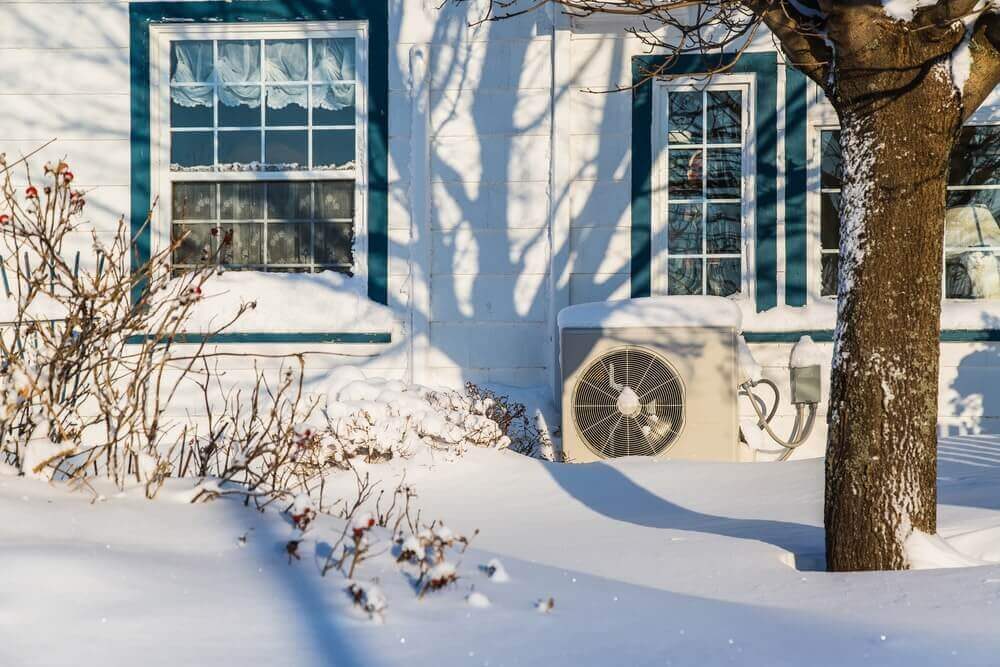
When winter temperatures drop, many homeowners notice their heat pumps running for longer periods, sometimes almost nonstop. This can be concerning, especially if you are used to traditional heating systems that cycle on and off more frequently. Understanding why a heat pump seems to run constantly during cold weather is important for peace of mind and for ensuring your system is operating efficiently. Heat pumps work differently from furnaces, and their behavior in cold weather is a direct result of how they are designed to maintain comfort in your home. Knowing what is normal and what might signal a problem can help you avoid unnecessary worry and keep your home warm all season.
What to Expect from Your Heat Pump
How Heat Pumps Work in Cold Weather
Heat pumps are designed to transfer heat from the outside air into your home, even when it is cold outside. Unlike traditional furnaces that generate heat by burning fuel, heat pumps use refrigerant and a compressor to move existing heat energy. As outdoor temperatures drop, there is less heat available in the air, so the heat pump must work harder and run longer to extract enough warmth to keep your home comfortable. This is why it is common for a heat pump to run almost continuously during the coldest days of winter. The system is not malfunctioning; it is simply operating as intended to maintain the set temperature. The continuous operation helps prevent large temperature swings and keeps your living space consistently warm, which is one of the advantages of heat pump technology.
The Role of Auxiliary and Emergency Heat
When the temperature outside drops below a certain point, usually around 32 degrees Fahrenheit, your heat pump may need some help to keep up with your heating demands. This is where auxiliary heat, often provided by electric resistance coils, comes into play. The auxiliary heat turns on automatically when the heat pump alone cannot maintain the desired indoor temperature. If the temperature drops even further or if the heat pump cannot keep up due to a malfunction, the system may switch to emergency heat mode. This mode uses only the backup heating source, which is less efficient and more expensive to operate. If you notice your system running constantly and your energy bills are higher than usual, it could be a sign that your heat pump is relying too much on auxiliary or emergency heat. In such cases, it may be time to consider emergency ac repair Richmond to ensure your system is functioning properly and efficiently.
Common Misconceptions About Heat Pump Operation
Many homeowners are surprised by how often their heat pump runs during the winter, especially if they are used to the cycling pattern of a furnace. It is a common misconception that a heat pump running constantly means there is a problem with the system. In reality, heat pumps are designed to operate for longer periods at lower speeds, which is more energy-efficient and helps maintain a steady indoor temperature. This continuous operation is not a sign of inefficiency or malfunction. Instead, it is a normal part of how heat pumps provide heat in cold weather. The system is engineered to extract as much heat as possible from the outside air, and running longer cycles is the most effective way to do this. If your home remains comfortable and your energy bills are within a reasonable range, your heat pump is likely working as it should.
When to Be Concerned About Constant Operation
While it is normal for a heat pump to run more frequently during cold weather, there are situations where constant operation could indicate a problem. If your heat pump is running nonstop but your home is not reaching the desired temperature, or if you notice a sudden spike in your energy bills, it may be time to investigate further. Issues such as dirty air filters, blocked outdoor units, low refrigerant levels, or malfunctioning components can all reduce the efficiency of your heat pump and cause it to work harder than necessary. Regular maintenance, including cleaning or replacing filters and ensuring the outdoor unit is free of debris, can help prevent these problems. If basic troubleshooting does not resolve the issue, contacting a professional for a thorough inspection is recommended to avoid further damage and restore efficient operation.
Energy Efficiency and Comfort Benefits
One of the main advantages of a heat pump is its ability to provide consistent comfort while using less energy than many traditional heating systems. By running for longer periods at lower speeds, heat pumps avoid the frequent on-off cycling that can lead to temperature fluctuations and increased wear on system components. This steady operation not only keeps your home more comfortable but also helps extend the lifespan of your equipment. Modern heat pumps are designed with advanced technology that allows them to operate efficiently even in colder climates. If you have concerns about energy usage, consider upgrading to a newer, high-efficiency model or adding a programmable thermostat to optimize your system’s performance. Proper insulation and weather sealing can also help your heat pump maintain comfort without overworking.
Local climate factors and proper sizing also play a major role in how efficiently these systems perform during seasonal temperature drops. Homeowners seeking reliable climate control solutions often consult with experienced professionals for hvac in Stuart to ensure their equipment is accurately sized and properly maintained for year-round efficiency. Taking a proactive approach helps keep heating operations quiet, steady, and economical.
Quick Tips for Homeowners
If you notice your heat pump running constantly, first check your thermostat settings and make sure the system is set to heat mode. Inspect your air filters and replace them if they are dirty, as clogged filters can restrict airflow and reduce efficiency. Ensure the outdoor unit is clear of snow, ice, and debris, which can impede heat transfer. If your system is still struggling to keep up, schedule a professional inspection to identify any underlying issues. Regular maintenance is key to reliable performance during the winter months.
Conclusion
Understanding why your heat pump runs constantly during cold weather can help you distinguish between normal operation and potential problems. Heat pumps are designed to provide steady, efficient heating by running for longer periods, especially when outdoor temperatures are low. This continuous operation is a feature, not a flaw, and helps maintain consistent comfort in your home. However, if you notice signs of inefficiency, such as inadequate heating or unusually high energy bills, it may be time to address maintenance needs or seek professional help. By staying informed and proactive, you can ensure your heat pump delivers reliable warmth throughout the winter season.