
When Fleet Growth Outpaces Your Driver Hiring Capacity
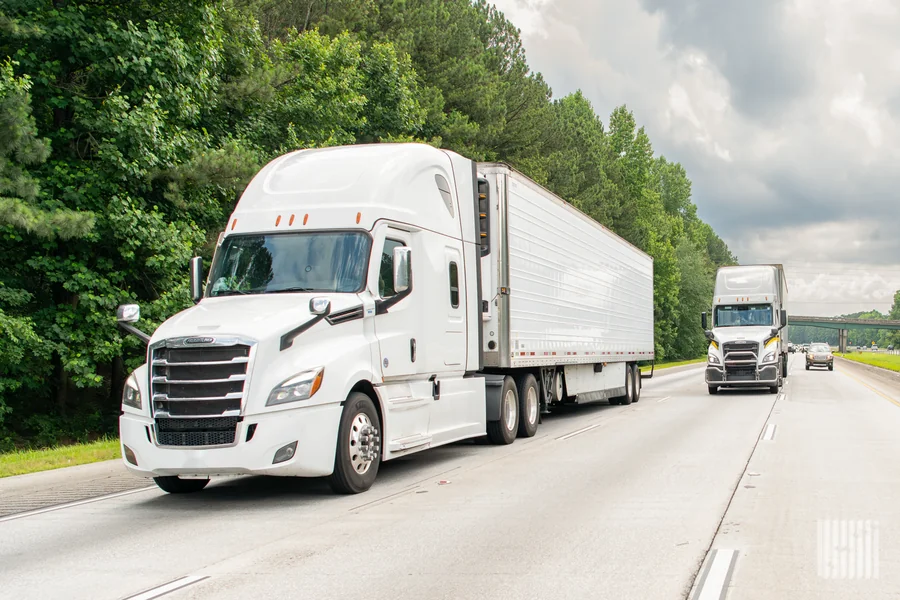
Expanding a transportation fleet is an exciting sign of business growth. However, rapid fleet expansion can create significant challenges if your driver hiring capacity does not keep pace. Without enough qualified drivers, even the most well-planned fleet operations can experience delays, reduced customer satisfaction, and increased operational costs. Understanding how to manage fleet growth alongside driver recruitment is essential for maintaining efficiency and profitability.
Recognizing the Challenges of Rapid Fleet Expansion
When your fleet grows faster than your ability to hire drivers, several operational issues can arise. Overworked drivers may face fatigue, increasing the risk of accidents and compliance violations. Delivery schedules can become unreliable, leading to dissatisfied customers and potential loss of business.
Partnering with a CDL driver staffing agency in Southern California can help alleviate these pressures. Staffing agencies provide access to a pool of qualified and experienced drivers, enabling companies to maintain operational continuity while scaling fleet capacity. This approach allows fleet managers to focus on growth strategies rather than being constrained by recruitment challenges.
The Impact of Driver Shortages on Operations
A shortage of drivers can have a ripple effect across your transportation operations. Routes may be left understaffed, delivery times extended, and maintenance schedules disrupted. Over time, this can lead to higher operational costs, increased vehicle wear, and decreased employee morale.
Driver shortages also affect compliance. Transportation regulations, including hours-of-service rules, require careful monitoring to prevent violations. When drivers are overextended due to staffing gaps, compliance risks increase, potentially resulting in fines and legal complications.
Strategies for Scaling Your Workforce
Effective workforce planning is critical when fleet growth outpaces hiring capacity. Companies should develop strategies for recruitment, training, and retention that align with growth projections.
- Recruitment Pipelines: Establish a steady recruitment pipeline by partnering with staffing agencies, attending job fairs, and leveraging online platforms to attract qualified candidates.
- Training Programs: Implement comprehensive training programs to quickly bring new drivers up to speed on routes, safety protocols, and company policies.
- Retention Initiatives: Offer competitive compensation, flexible schedules, and professional development opportunities to retain skilled drivers and reduce turnover.
These strategies help ensure that your growing fleet has the personnel needed to maintain operational efficiency and customer satisfaction.
Leveraging Technology for Driver Efficiency
Technology can play a key role in managing driver workloads when hiring lags behind fleet expansion. Fleet management software and telematics systems provide real-time tracking, route optimization, and performance monitoring.
Optimizing routes reduces fuel costs and minimizes driver fatigue by streamlining daily operations. Monitoring driver performance also allows managers to identify areas for training and support, ensuring that each driver can operate efficiently within the expanding fleet.
Temporary Solutions for Peak Demand
During periods of rapid growth or seasonal spikes, temporary solutions can bridge the gap between fleet needs and hiring capacity. Short-term contracts, temporary staffing through agencies, and cross-training existing employees can provide flexibility to meet demand.
Partnering with professional staffing agencies is particularly effective for handling temporary or urgent driver needs. These agencies supply vetted drivers who can immediately contribute to operations, reducing delays and maintaining service quality during critical growth phases.
Long-Term Workforce Planning
Sustainable fleet growth requires long-term workforce planning. Forecasting future fleet expansion and analyzing market trends can help anticipate hiring needs and reduce operational stress.
Investing in employee engagement, safety programs, and professional development builds a loyal workforce capable of supporting growth. A proactive approach to workforce planning ensures that your fleet can expand without compromising efficiency, safety, or customer satisfaction.
Final Thought
When fleet growth outpaces driver hiring capacity, transportation companies face significant operational challenges. Overworked drivers, delivery delays, and compliance risks can undermine even the most ambitious expansion plans. By leveraging staffing agencies, technology, and proactive workforce strategies, companies can bridge the gap and maintain efficiency during periods of rapid growth.
Long-term success depends on balancing fleet expansion with a well-trained and motivated workforce. Strategic planning, flexible staffing solutions, and investment in driver retention are essential for sustaining growth while maintaining high standards of service, safety, and operational reliability.