
What to Do If You Lose Important Documents
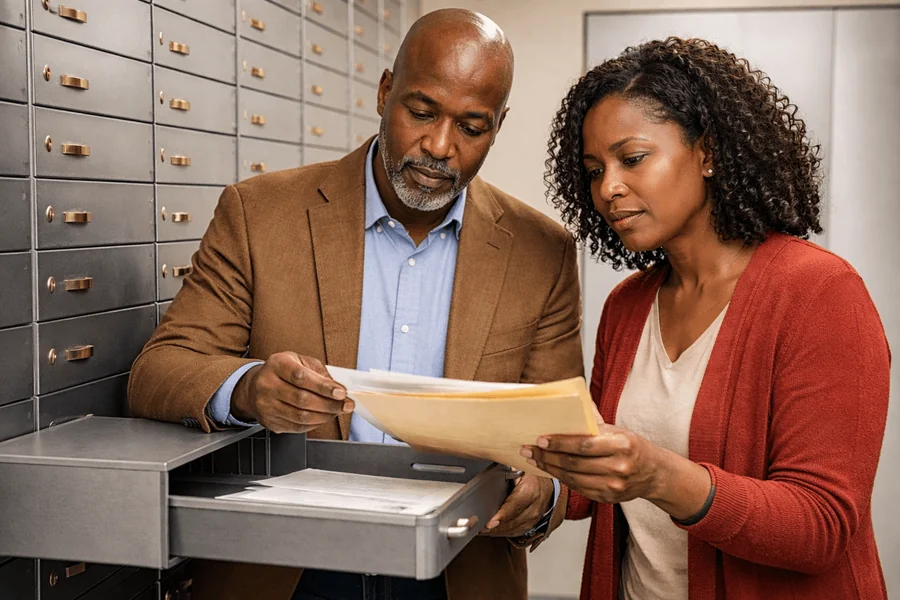
It’s frustrating to lose your wallet and annoying to lose your phone. But losing important documents like a passport, birth certificate, or Social Security card feels like a real crisis. All of a sudden, you might worry about your identity, not being able to travel, or losing access to work or a place to live. Your first instinct might be to panic, but that doesn’t help.
Stop searching your house again. Losing a vital record is a normal administrative problem. It is not a crisis. You can replace these documents. Digital backups can help temporarily. If you lost a degree or training certificate and need it now for a job application, use a diploma maker. They make replicas. Use the replica while waiting for the official reprint.
But first, you need a systematic plan. Here is exactly what to do when those irreplaceable papers go missing.
Step 1: Secure Your Immediate Safety (Identity Theft Lockdown)
If you have lost documents containing your Social Security Number (SSN), driver’s license number, or financial data, you must assume you are at risk for identity theft. Do not skip this step.
Contact the major credit bureaus — Equifax, Experian, and TransUnion—to place a fraud alert on your file. A fraud alert requires creditors to verify your identity before issuing new credit. It is free and lasts for one year. For higher risk (e.g., a stolen purse containing your passport and bank cards), consider a credit freeze, which locks down your credit entirely.
Make a police report after that. A police complaint establishes an official record of loss, even if you believe you just misplaced your birth certificate at home. Before issuing a replacement, government organizations (such as the DMV or passport office) frequently want this paperwork.
Step 2: The Replacement Triage (Which Document Comes First?)
You cannot replace everything at once. Prioritize based on what you need to function daily.
- Driver’s License (start here) – This is your most-used ID. Check your local DMV website. Many states allow online replacement if you know your license number and the last 4 digits of your SSN. Fee: $10–$30.
- Social Security Card (needs a license first) – You cannot order this online without a verified ID. Mail Form SS-5 to your local Social Security Administration office, along with a certified copy of a birth certificate or passport. Because this requires proof of identity, replace your driver’s license first.
- Passport (lost or stolen) – Go to travel.state.gov. You must complete Form DS-64 (lost/stolen statement) plus Form DS-11 (new application). You cannot renew a lost passport. Apply in person at an acceptance facility.
Step 3: Handling Vital Records (Birth & Marriage Certificates)
Birth certificates aren’t handled by the federal government. You have to go through the state or county where you were born. Most Vital Records offices let you apply online or by mail. Just keep in mind—you’ll need to show ID and pay a small fee, usually between $15 and $30.
That ID requirement can be tricky if you don’t have one. But there are workarounds. A family member with proper ID can request the certificate for you. Or you can submit a notarized “no-ID affidavit.”
Contact the county clerk in the area where the event occurred for marriage or divorce records. Plan ahead since mailing processing takes two to eight weeks.
When you realize that crucial paperwork like a will or trust has gone missing, the initial panic can feel paralyzing. It is essential to remember that many legal records can be reconstructed with patience and the right professional guidance. While you work through the immediate steps of reporting losses and contacting government agencies, you may also want to take this time to explore estate planning options that incorporate modern digital backups. Securely digitizing your updated files ensures that a physical mishap does not become a permanent administrative crisis. Taking proactive measures now provides a safety net, allowing you to regain control over your legacy and prevent future logistical headaches during an already stressful time.
Step 4: Educational and Professional Documents
Losing a diploma, GED, or professional license creates problems. Employers and universities want original documents. Call the issuing school or program. Request an official transcript or a reissued diploma.
Typical fee: $10–$50. Do not use replica services. Only official replacements are accepted for background checks and job verification.
Check processing times. Official reprints can take 4–6 weeks. If a background check or promotion is pending, ask if they will accept a notarized letter on school letterhead verifying your graduation. Many employers will accept this temporary verification while you wait for the physical document.
Request rush processing. Some universities offer expedited diploma reprinting for an additional fee, cutting the wait to 5–7 business days. It is worth asking your registrar’s office directly.
For professional licenses (nursing, real estate, law), contact your state licensing board directly. Many now offer digital verification that employers can check online, making the physical card optional. You can often download and print a temporary license from the board’s website immediately.
Step 5: The Digital Backup Protocol (Prevent This From Happening Again)
Once you’ve ordered replacements, take 30 minutes to build a disaster-proof archive. Scan every document immediately. A phone photo is not enough. Follow the 3-2-1 rule for your most critical IDs:
- 3 copies – one physical backup, one on your laptop, one in the cloud.
- 2 formats – keep both paper and PDF.
- 1 off-site – use an encrypted cloud folder (Google Drive) or a secure password manager like 1Password.
Then invest $30–$60 in a small fireproof and waterproof safe. Put your birth certificate, passport, and Social Security card inside—and leave them there. Your wallet is not a safe. Memorize your Social Security number. Carrying the card only increases your risk of identity theft and repeat heartbreak.
Conclusion
Go ahead and scan your current documents today – don’t put it off. You’ll thank yourself later.
It also helps to memorize your Social Security number and driver’s license number. That way, you can often request replacements even without the physical cards in hand.
If you suspect any risk of identity theft, place a fraud alert as soon as possible. For replacements, it usually works best to start with your driver’s license, followed by the birth certificate, then the passport, and finally the Social Security card.
It is annoying and irritating to lose essential papers. The good news is that each and every one of them is replaceable. There may be a lot of paperwork, some modest costs, and some waiting. However, you can usually have things back in order within 60 days.
Keep calm, follow the order of priority, and use any waiting time to create a better system for keeping your documents safe moving forward.