
What New Jersey Nursing Home Residents Are Entitled to Under State and Federal Law and What Happens When Facilities Fail Them
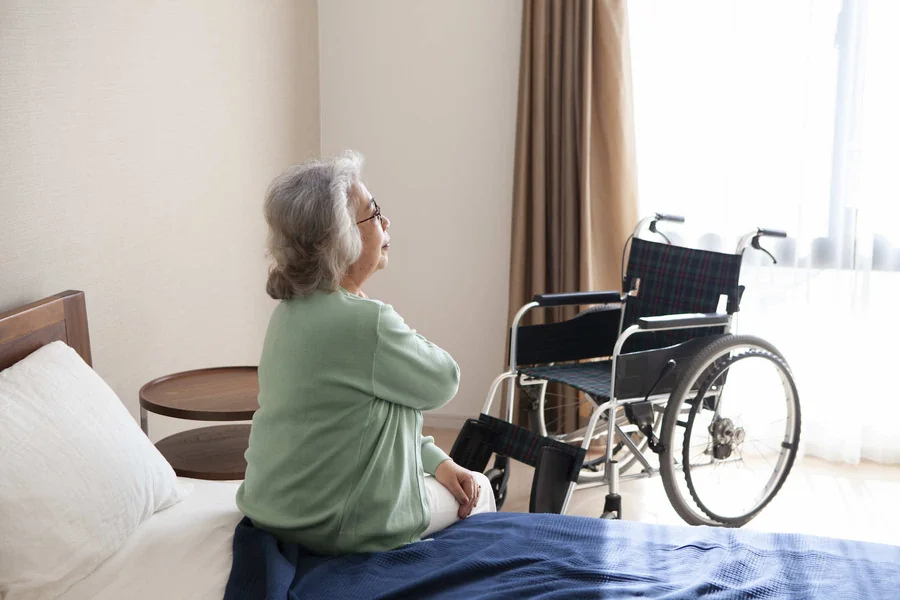
New Jersey nursing home residents are protected by one of the more comprehensive state-level resident rights frameworks in the country, which operates alongside the federal rights established by the Nursing Home Reform Act. New Jersey’s Nursing Home Responsibilities and Rights of Residents Act, codified at N.J.S.A. 30:13-1 et seq., establishes specific rights for residents of licensed New Jersey nursing facilities that go beyond what federal law alone requires, and it provides a civil remedy for residents whose rights under the Act are violated. A nursing home abuse lawyer in New Jersey working under this framework can pursue claims based on violation of the state resident rights statute alongside the standard negligence theory, creating an additional avenue of liability that reflects the specific obligations New Jersey law imposes on its licensed facilities.
What New Jersey’s Resident Rights Act Provides
New Jersey’s Resident Rights Act guarantees nursing home residents the right to receive adequate and appropriate medical care, to be treated with dignity and respect, to have their personal and medical information kept confidential, to voice grievances without fear of reprisal, to participate in their own care planning, and to be free from mental and physical abuse, corporal punishment, and involuntary seclusion. The Act also imposes specific obligations on facilities regarding discharge and transfer procedures, the handling of residents’ personal funds, and the provision of social services. Violation of any of these guaranteed rights creates a cause of action under the Act that is separate from the common law negligence claim, and New Jersey courts have allowed plaintiffs to pursue both theories simultaneously.
The Role of the New Jersey Department of Health in Nursing Home Oversight
The New Jersey Department of Health licenses and inspects nursing facilities through its Division of Long Term Care Services and Supports. The Division conducts annual standard surveys and complaint investigations, and it publishes the results of those surveys in inspection reports that document every deficiency cited at each facility. A New Jersey nursing home with a history of deficiency citations in categories involving resident safety, abuse prevention, and staffing adequacy has a documented pattern of regulatory failure that supports the institutional liability case in a civil proceeding. Inspection reports for every licensed New Jersey nursing facility are publicly accessible and represent a significant early source of evidence in any nursing home abuse case.
Financial Exploitation in New Jersey Nursing Homes
Financial exploitation of nursing home residents occurs when facility staff, administrators, or other residents take advantage of a resident’s cognitive impairment, isolation, or dependence to obtain their financial assets for unauthorized purposes. New Jersey law prohibits the misappropriation of a resident’s property under both the Resident Rights Act and the state’s elder abuse statutes. Common forms of financial exploitation in New Jersey nursing facilities include unauthorized charges to residents’ accounts, theft of cash or personal property from residents’ rooms, and the procurement of loans, gifts, or beneficiary designations from cognitively impaired residents by staff members who have developed relationships with those residents. Detection of financial exploitation often requires forensic review of bank account activity, credit card statements, and the timing of any changes to the resident’s will, trust, or beneficiary designations relative to the suspected abuser’s increasing involvement in the resident’s life.
What New Jersey Families Can Do When Abuse Is Suspected
New Jersey families who suspect nursing home abuse should file a complaint with the New Jersey Department of Health’s Division of Long Term Care Services and Supports, which triggers a complaint investigation that may result in deficiency citations and required corrective action by the facility. Suspected financial exploitation should also be reported to Adult Protective Services. Families should preserve all evidence of the suspected abuse, including photographs, written accounts, and records of any financial transactions the resident did not authorize. The New Jersey Department of Health’s nursing home complaint filing information describes the complaint process and what happens after a report is received, including the timeline for investigation and the remedies the Department can impose on facilities found to have violated residents’ rights.