
What Are the Common Signs of Leaking Air Ducts?
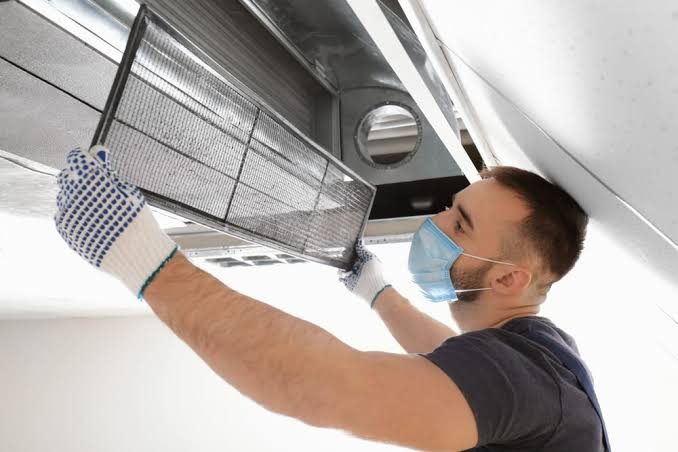
Air ducts play a crucial role in maintaining the comfort and efficiency of your home’s heating and cooling system. When these ducts develop leaks, it can lead to a range of problems, from higher energy bills to uneven temperatures throughout your living spaces. Many homeowners are unaware of the subtle and not-so-subtle signs that indicate their air ducts may be leaking. Recognizing these signs early can help prevent further damage, improve indoor air quality, and ensure your HVAC system operates at peak performance. Understanding what to look for is the first step toward a healthier, more comfortable home environment.
Key indicators of duct leaks
Unexplained Increase in Energy Bills
One of the most common and noticeable signs of leaking air ducts is a sudden or unexplained increase in your energy bills. When air escapes through leaks in the ductwork, your heating or cooling system must work harder to maintain the desired temperature in your home. This extra effort translates directly into higher energy consumption and, consequently, higher utility costs. If you notice that your energy bills have been steadily climbing without a corresponding increase in usage or changes in weather, it may be time to investigate your ductwork. Leaks can develop over time due to age, poor installation, or physical damage, and even small gaps can have a significant impact on your system’s efficiency. Addressing these leaks promptly can help restore your energy bills to normal levels and prevent unnecessary strain on your HVAC equipment.
Uneven Heating or Cooling Throughout the Home
Another clear indication of leaking air ducts is the presence of uneven temperatures in different rooms or areas of your home. When ducts are compromised, conditioned air may not reach certain spaces as intended, resulting in some rooms feeling too hot while others remain uncomfortably cold. This inconsistency can be particularly noticeable in multi-story homes or in rooms that are farthest from the central HVAC unit. Homeowners often try to compensate by adjusting the thermostat, but this only increases energy usage without addressing the root cause. If you find yourself constantly battling temperature imbalances, it’s worth considering the possibility of duct leaks. Addressing airflow issues often requires a complete evaluation of the ventilation network to restore balanced heating and cooling. Property owners seeking local support for heating or ventilation maintenance can Read more about regional service options. Proper routine maintenance helps maintain consistent indoor temperatures while keeping monthly utility costs under control. For more information on how to identify and address these issues, continue reading to learn about additional signs and solutions.
Noticeable Dust and Poor Indoor Air Quality
Leaking air ducts can also contribute to a noticeable increase in dust and a decline in indoor air quality. When there are gaps or holes in the ductwork, dust, dirt, and other contaminants from unconditioned spaces such as attics, basements, or crawl spaces can be drawn into the system and distributed throughout your home. This can lead to more frequent dusting, aggravated allergies, and even respiratory issues for sensitive individuals. Poor indoor air quality is not only uncomfortable but can also pose health risks over time. If you observe more dust settling on surfaces or experience worsening allergy symptoms, it may be a sign that your air ducts are compromised. Addressing leaks can help reduce the amount of airborne particles circulating in your home and create a healthier living environment for you and your family.
Strange Noises Coming from the Ductwork
Unusual noises emanating from your ductwork can be a sign that air is escaping through leaks or that the ducts themselves are under stress. Whistling, rattling, or banging sounds may occur when air is forced through small openings or when sections of ductwork move due to pressure changes. These noises are often more noticeable when the HVAC system first turns on or off, as the pressure within the ducts fluctuates. While some noise is normal, persistent or loud sounds should not be ignored. They can indicate not only leaks but also loose connections or other issues that may require attention. Investigating the source of these noises can help you identify and resolve duct problems before they lead to more significant damage or system inefficiency.
Short Paragraph: Increased Allergy Symptoms
Leaking air ducts can cause a noticeable increase in allergy symptoms among household members. When ducts are compromised, they can draw in pollen, dust, and other allergens from unconditioned spaces and distribute them throughout your home. This can lead to sneezing, coughing, and other allergy-related discomforts, especially during peak allergy seasons. If you or your family members experience worsening symptoms indoors, it may be time to have your ductwork inspected for leaks.
Visible Damage or Disconnected Ducts
Sometimes, the signs of leaking air ducts are visible upon inspection. If you have access to your ductwork, look for obvious signs of wear and tear, such as holes, cracks, or sections that have become disconnected. Duct tape or other makeshift repairs are also indicators that the system may have been compromised in the past. Visible damage can allow large amounts of conditioned air to escape, reducing the effectiveness of your HVAC system and increasing your energy costs. In some cases, you may even feel air blowing from areas where it shouldn’t be, such as joints or seams in the ductwork. Addressing visible damage promptly can help restore your system’s efficiency and prevent further issues from developing.
Conclusion
Recognizing the common signs of leaking air ducts is essential for maintaining a comfortable, healthy, and energy-efficient home. From rising energy bills and uneven temperatures to increased dust and strange noises, these indicators can alert you to problems within your ductwork that may otherwise go unnoticed. Addressing leaks not only improves the performance of your HVAC system but also enhances indoor air quality and reduces the risk of costly repairs down the line. If you suspect your air ducts may be leaking, consider scheduling a professional inspection to identify and resolve any issues. Taking proactive steps can help ensure your home remains comfortable and your heating and cooling system operates efficiently for years to come.