
The Smart Traveler’s Guide to Bali Airport Arrivals
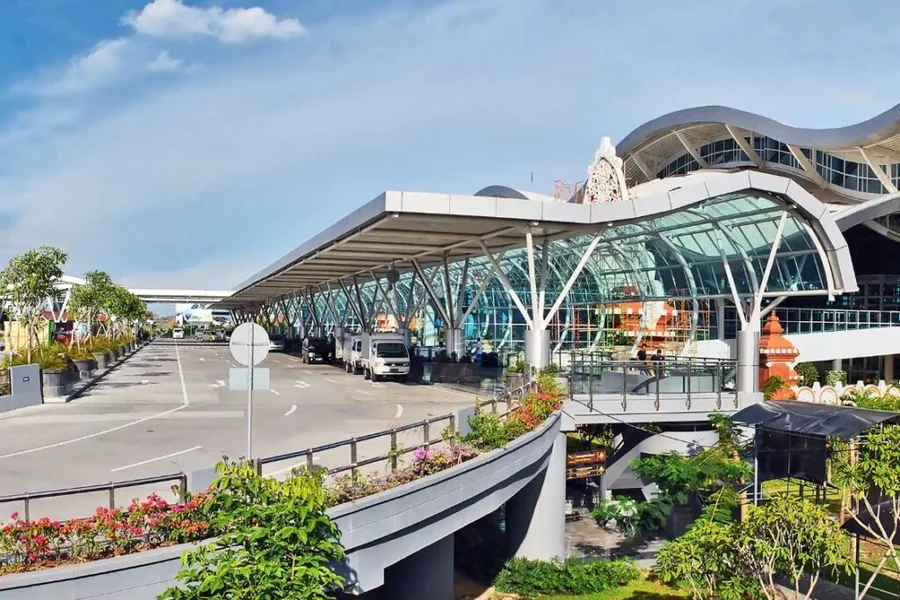
Landing at Ngurah Rai International Airport for the first time can feel overwhelming. The terminal is busy, signs pull you in multiple directions, and every taxi driver seems to know exactly where you want to go before you do. Having a clear picture of what happens between stepping off the plane and settling into your hotel makes an enormous difference, especially when you’re tired from a long flight.
This guide walks you through each stage of the arrival process, from immigration to transportation, so you can move through the airport calmly and get to your destination without unnecessary stress.
What to Expect When You Land at Ngurah Rai
The arrivals process at Ngurah Rai is straightforward once you know the sequence. Most delays come not from the airport itself, but from travelers who aren’t prepared for what each step requires.
1. Passing through immigration at Ngurah Rai
Most nationalities can enter Indonesia visa-free for up to 30 days, but the rules do change periodically, so it’s worth confirming your eligibility before travel. One thing many first-timers overlook is that the arrival experience extends well beyond immigration sorting out your bali airport transfer in advance, for instance, means one less decision to make when you’re tired and surrounded by unfamiliar signage.
If you need a Visa on Arrival, purchase it before joining the main immigration queue. The counters are clearly marked on your right as you enter the arrivals hall. Have your passport, return ticket, and accommodation details ready, as officers occasionally ask for proof of onward travel.
The queue moves at a reasonable pace outside of peak hours, typically mid-morning and early afternoon arrivals from Singapore, Kuala Lumpur, and Sydney.
2. Collecting your baggage and clearing customs
Baggage claim is located directly after immigration. Carousel assignments are displayed on the screens near the exit, so match your flight number before picking a spot to wait. Bali handles a high volume of surf gear, dive equipment, and oversized bags, so the belts can get crowded quickly.
Customs at Ngurah Rai follows a red and green channel system. If you’re carrying goods that exceed the allowance (roughly USD 500 per person for personal items, with restrictions on alcohol and electronics), declare them at the red channel. For most leisure travelers, the green channel is the appropriate lane.
3. Exchanging money and buying a SIM card
There are licensed money changers inside the arrivals hall, though the rates are generally better at authorized changers in Kuta, Seminyak, or Ubud. A small exchange at the airport, enough for the first few hours, is practical if you plan to use cash for your first meal or tips.
SIM cards are available from Telkomsel, XL, and Indosat counters near the exit. Packages with generous data allowances are affordable by most standards, and having local data from the moment you arrive makes navigation and ride-hailing apps considerably easier to use.
4. Getting out of the terminal
The exit area is where most first-time arrivals feel the most pressure. Unofficial drivers approach immediately outside the doors, and while some are legitimate, many operate without meters or fixed pricing. If you haven’t arranged transport in advance, use the official taxi counter located inside the terminal just before the exit doors. Always use this counter rather than accepting offers from drivers who approach you directly.
Having a confirmed pickup waiting when you exit removes the negotiation entirely and lets you walk past the crowd with a clear destination in mind.
5. Common mistakes travelers make right after landing
The most frequent mistake is following the crowd without knowing where you’re going. Ngurah Rai has separate exits for domestic and international arrivals, and joining the wrong flow adds unnecessary time. Check your exit signage before you start walking.
Another common issue is accepting the first transport offer presented outside the terminal doors. Prices quoted informally at the exit are almost always higher than what you would pay with a pre-arranged vehicle or an official taxi. Taking a few extra minutes to use the right channel saves money and avoids the frustration of a disputed fare on your first day in Bali.
Getting from the Airport to Your Hotel
Once you clear the terminal, your main task is getting to your accommodation efficiently. Bali’s traffic, particularly on the road to Seminyak and Ubud during afternoon hours, can extend travel times significantly beyond what maps suggest.
Your options for airport transportation in Bali
Pre-arranged private transfers remain the most consistent option for travelers who want predictability. Ride-hailing apps like Gojek and Grab also operate from Ngurah Rai, though drivers must pick up from a designated zone a short walk from the arrivals hall. Official metered taxis are available from the counter inside the terminal. Each option has a different trade-off between price, convenience, and reliability depending on your destination and group size.
Why pre-booked transfers are worth it
For travelers arriving late at night, with children, or with multiple bags, a pre-booked transfer removes several variables at once. You know the cost before you land, the driver is already familiar with your destination, and you don’t need to rely on mobile data immediately upon arrival. Bali Touristic offers a range of vehicle options from standard sedans to larger vans, which makes it practical for both solo travelers and groups traveling together.
The value becomes especially clear when arriving during peak season, when walk-up taxis at the counter have longer queues and informal drivers outside are aware they can charge more. A fixed-price booking sidesteps that dynamic entirely.
Making the Most of Your First Hours in Bali
The hours immediately after arrival set the tone for the trip. A smooth transition from airport to hotel gives you time to rest, rehydrate, and start the actual holiday rather than recovering from a stressful arrival experience.
Timing your arrival for a smoother experience
Early morning arrivals, before 9 AM, consistently produce the shortest immigration queues and the lightest road traffic. If you have flexibility in choosing your flight, routing through an airline that arrives before the mid-morning rush from major Asian hubs makes the first day considerably more relaxed.
Evening arrivals after 8 PM are also relatively efficient at the airport, though the drive to some areas of Bali can still take longer than expected if an event or ceremony is affecting local roads. Checking in with your accommodation or transfer provider about current conditions is a simple step that can prevent a long detour.
What to prepare before your flight lands
Download offline maps for the areas you’ll be visiting. Google Maps works reliably for navigation in Bali, and having your hotel pinned in advance means you can show the address to a driver without needing a working data connection immediately.
Confirm your accommodation address in full, including any specific entry instructions. Some villas and smaller guesthouses in areas like Canggu or the rice terrace villages around Ubud have unmarked entrances that are difficult to find after dark. Sending your driver the exact coordinates beforehand is a reliable way to avoid confusion at the end of a long travel day.
Arriving Prepared Makes All the Difference
Ngurah Rai is a manageable airport once you understand how it flows. Immigration, customs, and baggage claim follow a logical sequence, and the transport options outside are straightforward if you know which ones to use. The travelers who struggle most on arrival are usually the ones who didn’t plan the final step: how they’re getting from the terminal to their hotel.
Sorting out your airport transfer in advance, whether through a local provider, a ride-hailing app, or the official taxi counter, removes the one part of arrival day that most commonly causes friction. Everything else follows from there.