
The Role of Small Details in Interior Styling and Visual Harmony
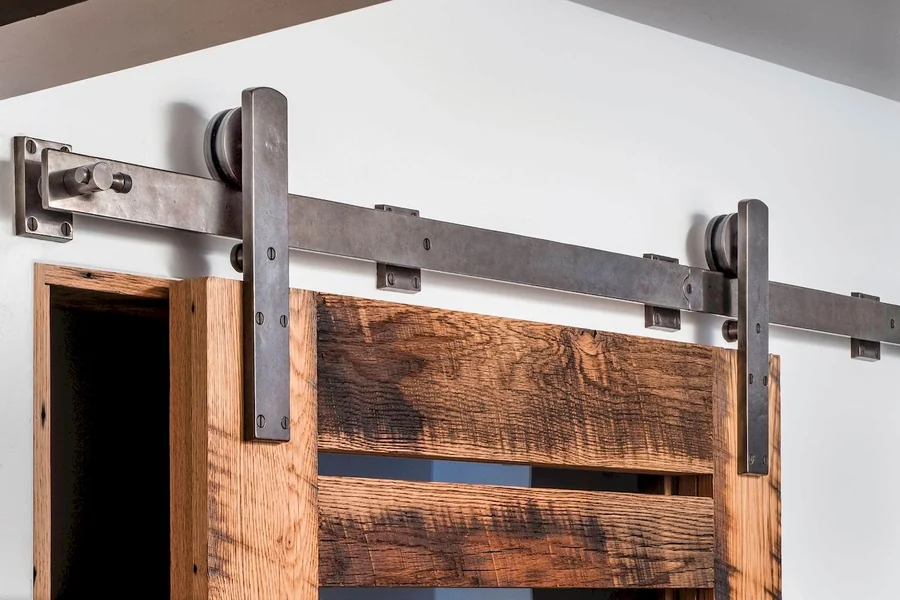
A well-designed interior rarely depends on a single dramatic feature. More often, it is the smaller details that shape how a space feels and how naturally its elements come together. Color, texture, proportion, and finish each contribute to the overall composition. These choices may seem subtle on their own, yet together they create visual harmony. For homeowners and design professionals refining a space, elements such as interior door hardware show how even practical features can play an essential role in the look and character of a room.
Why Small Details Matter in Interior Design
Interior styling often begins with the larger choices. Furniture sets the scale, wall color shapes the mood, and lighting establishes atmosphere. Once those pieces are in place, the smaller elements begin to define the room more precisely.
Details help connect one part of the design to another. A carefully chosen finish can echo the tone of a light fixture. A handle or pull can reinforce the lines of nearby furniture. These decisions create consistency, which helps the space feel thoughtful rather than accidental.
When details are overlooked, even a room with strong foundational pieces can feel incomplete. Small mismatches in finish, scale, or style can disrupt the overall balance.
Visual Harmony Comes From Repetition and Restraint
One of the clearest ways to create harmony is through repetition. Repeated materials, finishes, or forms help establish rhythm throughout a space. This does not mean everything should match exactly. Instead, the goal is to create relationships between elements so the room feels connected.
A bronze accent in a framed mirror may relate to the finish of door hardware. The curve of a cabinet pull may echo the profile of a light fixture or furniture leg. These visual links give the room cohesion without making it feel rigid.
Restraint is equally important. Too many competing details can make a space feel unsettled. A calmer palette of finishes and forms allows each element to contribute without overwhelming the whole.
Texture Adds Depth to a Room
Texture is one of the most effective tools in interior styling. It gives a room depth and prevents it from feeling flat. Soft fabrics, natural wood, stone surfaces, and metal finishes each introduce a different tactile quality.
These contrasts make a room more interesting. A smooth painted wall feels richer when paired with woven textiles or hand-finished metal. A polished surface may benefit from something more matte nearby. The goal is not to create contrast for its own sake, but to build a layered environment that feels complete.
Small details often carry much of this texture. Hardware, decorative objects, and trim elements bring material variation into spaces that might otherwise rely only on larger surfaces.
Functional Elements Can Also Be Decorative
Some of the most important details in a room are also the most practical. Door hardware, cabinet pulls, switch plates, and other everyday components are touched and seen repeatedly. Their role is functional, but their visual influence is significant.
When these elements are chosen with care, they support both usability and style. A well-proportioned lever or finely finished plate can bring polish to a room without demanding attention. It becomes part of the design language, quietly reinforcing the aesthetic direction.
This is why functional elements deserve as much consideration as decorative ones. Doors themselves play a significant structural and visual role in maintaining this stylistic balance. Choosing cohesive interior door designs from Deanta can help align surrounding architectural details, such as baseboards and architraves, while adding material texture to the space. Selecting consistent profiles across adjoining rooms ensures that transition areas feel intentional and naturally integrated with the broader interior theme. They are part of the daily experience of the space and contribute to how refined it feels over time.
Scale and Proportion Shape Perception
Small details also affect scale. The size of a handle, the width of a frame, or the profile of trim can change how a room is perceived. If these elements are too large or too delicate for their setting, the balance can feel off.
Good proportion allows details to complement the architecture and furnishings around them. In a more substantial interior, heavier hardware and deeper finishes may feel appropriate. In lighter, simpler spaces, a more restrained detail can maintain balance.
This attention to proportion helps create a room that feels resolved. Nothing appears added as an afterthought. Each element sits comfortably within the composition.
Consistency Creates a More Refined Result
A refined interior often feels effortless, yet that effect usually comes from careful consistency. Finishes do not need to be identical from room to room, but they should relate to one another. Materials should feel intentional. Decorative and functional pieces should support the same overall direction.
This level of consistency makes a home feel more unified. It allows the eye to move easily through the space and creates a stronger sense of calm. Even in rooms with varied furnishings or layered décor, a clear thread can tie everything together.
Small details often provide that thread. They carry finishes, forms, and textures across the home in a way that feels subtle but effective.
Lasting Style Depends on Thoughtful Choices
Trends may influence a room in the short term, but lasting style usually depends on decisions that feel grounded and well judged. Thoughtful details age better because they are chosen for quality, proportion, and relevance to the space rather than novelty.
This is one reason small details deserve attention early in the design process. When they are considered from the start, they help support a more cohesive result. They also add long-term value by improving both the appearance and daily function of the home.
Interior styling is rarely about one dramatic gesture. More often, it is about the accumulation of well-made choices. When those choices are made with care, the room feels balanced, harmonious, and complete.