
How to Prevent Skin Irritation with Barrier Cream
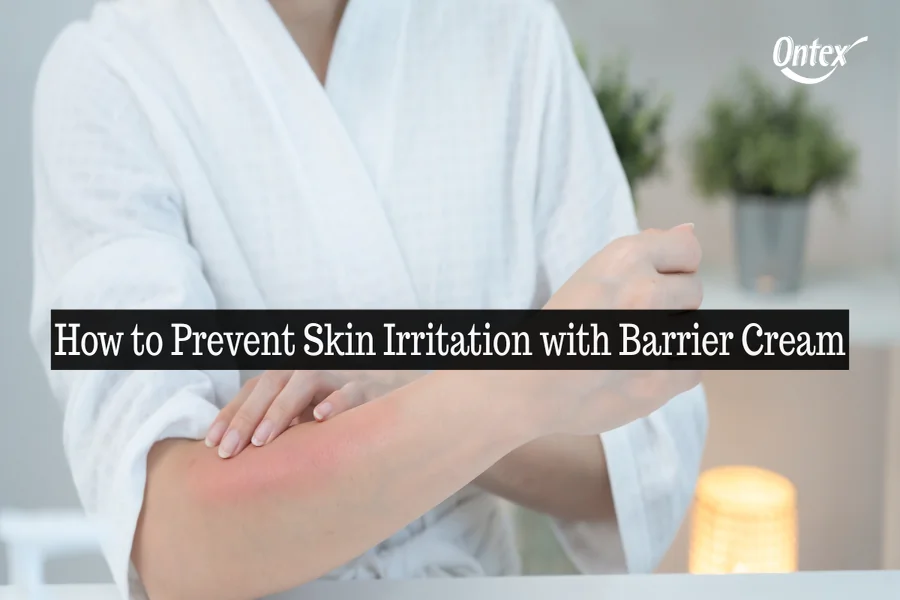
You can prevent skin irritation with a good barrier cream that creates a protective shield that keeps moisture, urine, and friction away from your delicate skin. It can help you stay comfortable throughout the day.
Here at Ontex Healthcare, we’ve spent years helping Australians protect their skin with quality continence care products. This dedication continues to guide how we support people living with continence needs.
In this guide, we’ll cover:
- How barrier cream protects your skin
- Which ingredients to look for
- The correct way to apply it
- Common mistakes to avoid
Read on to find out how to give your skin the protection it deserves.
How Does Barrier Cream Prevent Skin Irritation?
Barrier cream prevents skin irritation by forming a protective layer that shields against moisture, urine, and friction while locking in hydration to keep skin healthy. This layer sits on your skin’s outermost surface (the stratum corneum) and acts as a shield between your body and potential irritants.
Harmful substances can’t reach the delicate skin underneath due to this outer layer.
We’ll now explain who should use barrier cream, followed by a quick comparison between this cream and standard moisturisers.
Who Should Use Skin Barrier Cream
Barrier cream is helpful for people managing incontinence and those caring for someone bedridden. It also helps anyone with easily sensitive or irritated skin. If this sounds like you or someone you care for, this product can help improve everyday comfort.
The thing is, incontinence exposes your skin to moisture and irritants around the clock. That’s why it’s truly important to protect yourself here. Specifically, if you’re bedridden or caring for someone who is, the added pressure from lying in one spot makes skin even more fragile.
Even people with sensitive skin that reacts to fabrics or changes in weather can also benefit from a barrier cream, as it helps prevent redness.
Barrier Cream vs Moisturiser
Understanding the difference helps you choose the right product and avoid spending money on something that won’t properly protect your skin.
Many people assume moisturisers do the same thing, but they don’t. Moisturisers soak into your skin and add hydration, which feels nice but doesn’t last. However, barrier creams sit on top of your skin. They contain ingredients like zinc oxide or dimethicone that form a physical shield, and they stick around for several hours.
To sum it up, while a moisturiser softens your skin, a barrier cream actually guards it against urine, moisture, and friction.
What Ingredients Should You Look For?
You should look for barrier creams containing zinc oxide, dimethicone, petrolatum, lanolin, or panthenol. These active ingredients offer the best protection and healing support.
Since each of them works slightly differently, it’s important to understand what they do to pick the right cream for your needs. In fact, some formulas combine several of these ingredients for broader coverage.
Below is a quick breakdown of what each ingredient is and does:
- Zinc Oxide: This mineral creates a physical barrier on your skin and supports wound healing. It also offers antimicrobial protection, which is helpful if your skin is already compromised or sensitive. Plus, zinc oxide is gentle enough for daily use, even on irritated areas.
- Dimethicone: A silicone-based ingredient that locks in moisture without feeling greasy. Many people prefer it because it won’t interfere with incontinence pad absorbency. For example, aged care facilities often choose dimethicone-based creams for this exact reason.
- Petrolatum: One of the most effective ingredients for reducing transepidermal water loss. It creates a strong occlusive layer that seals hydration into the skin. Like, if your skin barrier is very dry or already damaged, petrolatum-based products work well for repair.
- Lanolin: A natural emollient derived from sheep’s wool that softens and conditions skin beautifully. Lanolin supports healing and keeps skin supple for hours after application. It works particularly well on cracked or rough patches.
- Panthenol: This ingredient converts to Vitamin B5 once absorbed, which supports your skin’s natural repair process. It helps soothe redness and calm irritation quickly. You’ll find panthenol in the Ontex Serenity Care Barrier Cream
A well-formulated barrier cream brings these benefits together in one product.
How Do You Apply Barrier Cream Correctly?
You apply barrier cream correctly by cleansing the skin first, patting it completely dry, spreading a thin, even layer, and reapplying after each incontinence episode. A proper routine makes the cream more effective at protecting your skin.
Let’s go through the process of applying your barrier cream.
Cleanse and Dry the Skin First
Healthy skin usually has a pH of around 5.5, but urine and faeces are alkaline and disrupt this balance within minutes of contact. That’s why cleansing before application isn’t optional.
Use a gentle, pH-balanced cleanser. Typically, harsh soaps strip away natural oils and leave skin worse off than before.
Once the skin is clean, grab a soft towel and pat the area dry. Resist the urge to rub because friction only irritates tender skin further. And wait until the skin is bone dry. Any moisture left behind stops the barrier cream from forming a proper seal.
Apply a Thin, Even Layer
Believe it or not, a thin layer actually works better than a thick one because it forms a stable seal without cracking or rubbing off onto your pad. Less really is more here.
Warm a pea-sized amount of cream between your fingers, then spread it gently over the buttocks, inner thighs, and skin folds. You can use circular motions to apply the cream, since it works best.
Unfortunately, many people think piling the cream on will make it last longer, but it won’t. It’s because thick layers crack, and the excess cream ends up coating your pad instead of protecting your skin. That blocks absorbency and defeats the whole purpose.
Reapply After Each Incontinence Episode
Once you know how to apply it, the next step is knowing when to reapply so your skin stays protected. After each pad change, start again by cleansing the skin, drying it well, and applying a fresh layer.
In care settings, this routine is followed every time because skipping even one change can lead to skin damage. Plus, while some products last longer between applications, most barrier creams need to be reapplied after each episode to work properly.
What Are Common Barrier Cream Mistakes?
Common barrier cream mistakes include applying too much, skipping the cleanse, not letting it dry, and using products that interfere with pad absorbency.
These mistakes happen all the time, even among experienced carers. But you can fix them once you know what to watch for.
The issues below can reduce how well the cream works:
- Applying Too Much: More cream doesn’t mean more protection. As we mentioned earlier, thick layers crack and let moisture through, and the excess ends up on your pad instead of your skin.
- Skipping the Cleanse: Fresh cream over dirty skin just traps bacteria against your body. It only takes a minute to wash and dry the area first, so do it before applying the barrier cream.
- Not Letting It Dry: If you rush to get dressed, you can smear the cream onto fabric before it can set properly. So we recommend allowing a minute or two for it to settle.
- Using Incompatible Products: Some ointments are too greasy and can block pad absorbency, while dimethicone-based creams protect without interfering. That’s why we always advise people to check the label to make sure the product is suitable.
When you apply it with a bit more care, the cream protects your skin better.
Keep Your Skin Healthy with Proper Skin Care
That’s it for our guide on preventing skin irritation with barrier cream. You now know how barrier creams work, which ingredients to look for, and how to apply them properly without making common mistakes.
If you’re managing incontinence or caring for someone who is, the right barrier cream makes daily life much more comfortable. Look for formulas containing zinc oxide, dimethicone, or panthenol, and remember that a thin layer applied to clean, dry skin works best.
At Ontex Healthcare, we’ve been helping Australians manage incontinence with dignity for years. Our Serenity Care Barrier Cream is dermatologically tested and formulated with panthenol to soothe and protect sensitive skin.
Browse our full range of skincare products today.