
How to Create a Mental Health Self-Care Plan
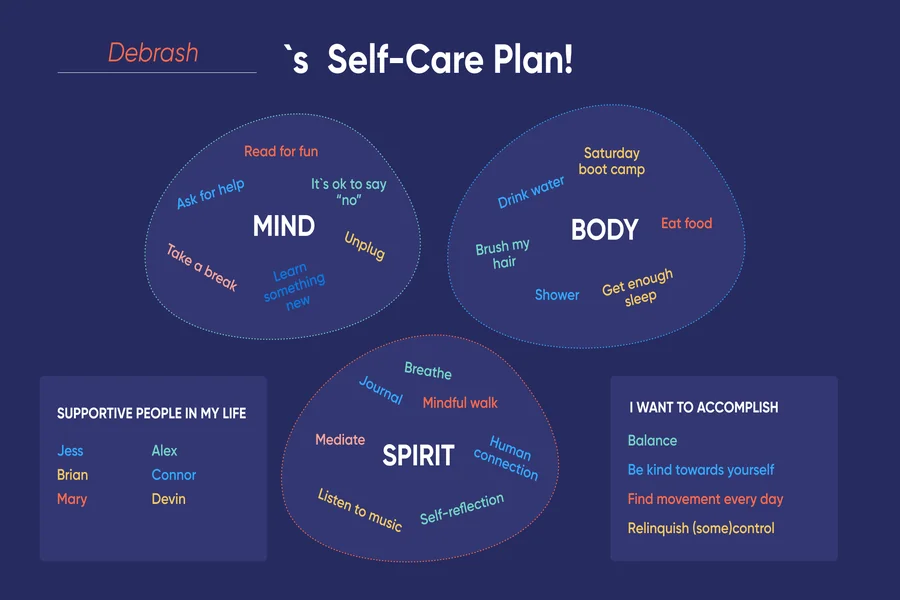
Maintaining good mental health is just as important as caring for your physical health. Yet many people wait until they feel overwhelmed, anxious, or burned out before taking action. A mental health self-care plan is a proactive, personalized strategy that helps you maintain emotional balance, manage stress, and build resilience. Rather than being a luxury, self-care is a practical necessity. Creating a structured plan ensures that you consistently nurture your well-being instead of relying on occasional, reactive efforts.
Understanding the Purpose of a Self-Care Plan
A mental health self-care plan is a written, intentional guide that outlines the habits, activities, and resources you use to support your emotional and psychological well-being. It acts as both a preventive tool and a response strategy. When things are going well, it helps you maintain stability. When you encounter stress or crisis, it provides clear steps to regain balance.
The key benefit of a self-care plan is clarity. When you are overwhelmed, it is difficult to think logically or creatively about what might help. Having a plan in place removes guesswork and gives you a reliable roadmap to follow.
Step 1: Assess Your Current Mental Health Needs
Before building your plan, take time to reflect on your current state. Ask yourself:
- What situations tend to trigger stress or anxiety for me?
- How do I usually react when I feel overwhelmed?
- What habits currently support my mental health?
- What habits might be harming it?
You can journal your responses or simply reflect quietly. Pay attention to patterns. For example, you may notice that lack of sleep increases irritability, or that social isolation worsens feelings of sadness. Understanding your unique stressors and warning signs allows you to design a plan tailored specifically to you.
Step 2: Identify Early Warning Signs
A strong self-care plan includes awareness of early warning signs that your mental health may be declining. These signs vary from person to person. They might include:
- Difficulty sleeping
- Changes in appetite
- Increased irritability
- Loss of motivation
- Withdrawing from friends or family
- Persistent negative thoughts
By identifying these signs in advance, you can take action sooner. Early intervention is often more effective and less overwhelming than waiting until stress becomes unmanageable.
Step 3: Define Your Core Self-Care Categories
Mental health self-care works best when it addresses multiple areas of life. Consider organizing your plan into the following categories:
Physical Self-Care:
Your mind and body are deeply connected. Physical habits that support mental health include regular exercise, consistent sleep, balanced nutrition, hydration, and limiting alcohol or substance use. Even small improvements, like walking for 20 minutes a day or setting a regular bedtime, can significantly impact mood and energy.
Emotional Self-Care:
This involves acknowledging and processing your feelings rather than ignoring them. Emotional self-care practices include journaling, talking to a trusted friend, practicing mindfulness, engaging in therapy through teletherapy, or allowing yourself to rest when needed. Learning to name and validate your emotions is a powerful step toward resilience.
Social Self-Care:
Humans are social beings. Supportive relationships protect against stress and depression. Your plan might include scheduling regular check-ins with friends, joining a community group, or setting boundaries with individuals who drain your energy.
Mental and Intellectual Self-Care:
Stimulating your mind in healthy ways can improve overall well-being. Reading, learning a new skill, engaging in creative hobbies, or limiting excessive social media consumption can strengthen cognitive and emotional balance.
Spiritual Self-Care (if applicable):
Spirituality does not necessarily mean religion. It can involve connecting with nature, practicing gratitude, meditation, prayer, or reflecting on your values and purpose. Activities that provide meaning and perspective can anchor you during difficult times.
Step 4: Choose Specific, Realistic Activities
Your self-care plan should be practical and achievable. Instead of vague intentions like “exercise more” or “stress less,” write specific actions:
- Walk for 30 minutes on Monday, Wednesday, and Friday.
- Turn off screens by 10:00 p.m. each night.
- Call a close friend once a week.
- Spend 10 minutes journaling before bed.
Start small. Overloading your plan with too many commitments can make it feel like another source of stress. It is better to consistently follow a simple plan than to abandon an ambitious one.
Step 5: Create a Stress-Response Strategy
Even with strong preventive habits, difficult days are inevitable. Your self-care plan should include a clear strategy for high-stress moments. Write down steps you can take when you feel overwhelmed, such as:
- Pause and take five slow, deep breaths.
- Step away from the stressful environment if possible.
- Write down what you are feeling.
- Contact a trusted person for support.
- Engage in a calming activity like listening to music or taking a short walk.
Having these steps written out ensures that you do not rely solely on willpower or memory during emotionally intense moments.
Step 6: Build a Support Network List
No self-care plan is complete without identifying external support. List the people and professional resources you can turn to if needed. This might include:
- Close friends or family members
- A therapist or counselor
- A primary care doctor
- Support groups
- Crisis hotlines (if relevant in your region)
Include contact information so it is easily accessible. Reaching out can feel difficult during hard times, so reducing barriers makes it more likely you will seek help when necessary.
Step 7: Set Healthy Boundaries
An effective mental health plan includes protecting your time and energy. Boundaries might involve:
- Saying no to extra responsibilities when you are overwhelmed.
- Limiting time with negative or critical individuals.
- Setting work-life boundaries, such as not checking emails after certain hours.
- Communicating your needs clearly and respectfully.
Boundaries are not selfish. They are essential for maintaining emotional stability and preventing burnout.
Step 8: Schedule Regular Check-Ins
A self-care plan is not static. Your needs will change over time due to life transitions, career shifts, relationships, and personal growth. Set a reminder to review your plan monthly or quarterly. Ask yourself:
- What is working well?
- What feels unrealistic or unnecessary?
- What new stressors have emerged?
- What new coping strategies have I discovered?
Adjust your plan accordingly. Flexibility ensures that your self-care strategy remains relevant and effective.
Step 9: Address Barriers and Guilt
Many people struggle with guilt around self-care, viewing it as indulgent or unproductive. Others face practical barriers such as limited time or financial constraints. Recognize these challenges honestly.
If time is limited, integrate self-care into existing routines. For example, practice deep breathing during your commute or listen to uplifting podcasts while doing chores. If guilt arises, remind yourself that maintaining your mental health allows you to function better in all areas of life. Self-care enhances productivity rather than detracting from it.
Step 10: Commit to Consistency Over Perfection
Your self-care plan is not about perfection. You will miss days, skip routines, and encounter setbacks. The goal is consistency and self-compassion, not rigid adherence. When you fall off track, gently return to your plan without self-criticism.
Think of self-care as a long-term investment rather than a quick fix. Small, steady actions build resilience over time. Just as physical fitness requires regular exercise, mental well-being requires ongoing attention.
Final Thoughts
Creating a mental health self-care plan is an empowering act of responsibility and self-respect. It involves honest reflection, intentional choices, and a willingness to prioritize your well-being. By identifying your stressors, recognizing warning signs, building supportive habits, and establishing clear response strategies, you create a foundation for emotional stability and growth.
Life will always present challenges, but a thoughtful self-care plan equips you with tools to navigate them more effectively. Instead of waiting for burnout or crisis, you can approach your mental health proactively and confidently. Ultimately, caring for your mental health is not a one-time task but a lifelong practice—one that strengthens your resilience, deepens your self-awareness, and enhances your overall quality of life.