
Growing Up Fast: Key Developmental Changes in the Teenage Years
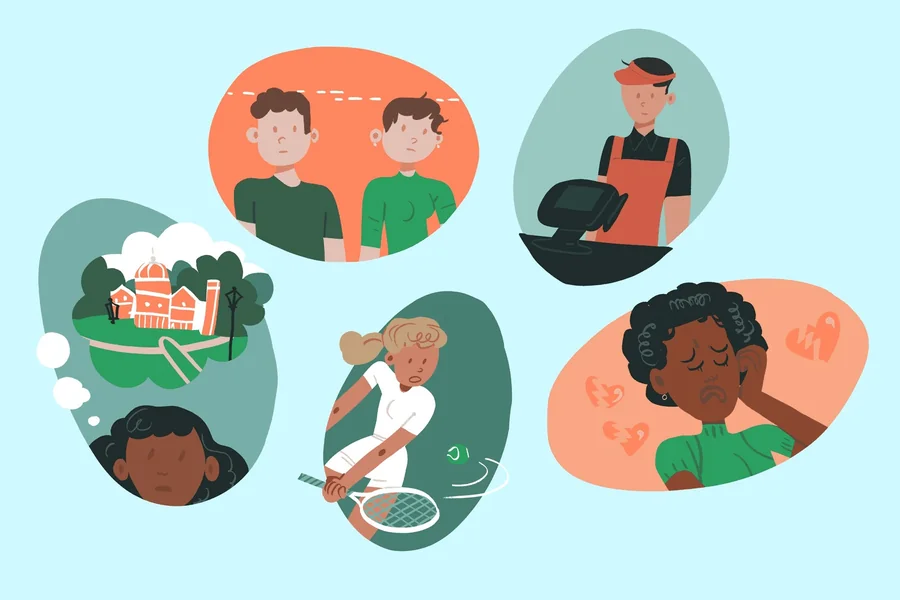
The teenage years are a time of rapid change, both physically and emotionally. Adolescence is often described as a bridge between childhood and adulthood, a period marked by exploration, self-discovery, and growth. For parents, teachers, and caregivers, understanding the developmental changes teens experience can help provide support, empathy, and guidance during these sometimes turbulent years.
Physical Growth and Changes
One of the most obvious aspects of adolescence is the rapid physical development that occurs during puberty. Teenagers experience growth spurts, hormonal changes, and the development of secondary sexual characteristics. For girls, this may include breast development, the onset of menstruation, and changes in body shape. These changes can affect a teen’s self-esteem and body image. Sudden growth or changes in appearance may make some teens feel self-conscious, leading them to compare themselves to peers or media ideals. Supporting your teen in choosing comfortable and age-appropriate undergarments, such as Bleuet bras for young girls, can help them feel confident and supported during this transition. Open, supportive conversations about body changes and reassurance that everyone develops at their own pace are vital. Encouraging healthy habits like balanced nutrition, regular exercise, and proper sleep also supports both physical and emotional well-being.
Cognitive Development
Adolescence is not only about physical growth; the brain undergoes significant changes as well. The prefrontal cortex, responsible for planning, decision-making, and impulse control, continues to develop well into the mid-20s. Meanwhile, the limbic system, which governs emotions and reward-seeking behavior, is highly active.
This combination can result in risk-taking behavior, emotional volatility, and heightened sensitivity to social cues. Teens may struggle to foresee long-term consequences, which explains some impulsive decisions or mood swings. Providing guidance without judgment, discussing potential outcomes of choices, and modeling problem-solving strategies can help teens navigate these cognitive changes safely.
Emotional and Social Development
Emotional growth is another hallmark of adolescence. Teens are learning to manage complex feelings, establish personal identity, and assert independence. Friendships often take on a new significance, sometimes surpassing family in terms of daily influence. Peer approval can shape behaviors, preferences, and self-esteem.
At the same time, teens may experiment with boundaries, test limits, or question authority. Conflicts with parents or caregivers are common but often reflect a normal push for autonomy. Supporting emotional development involves active listening, empathy, and validation. Acknowledging feelings, even when you don’t agree with them, helps teens feel understood and connected.
Identity and Self-Discovery
Teenagers are in the process of forming a clearer sense of who they are. This involves exploring personal interests, values, and beliefs. Identity formation can include experimenting with fashion, hobbies, friendships, and even beliefs about the world.
Parents and caregivers can play an essential role by providing a safe space for exploration. Encouraging activities that align with a teen’s interests—whether it’s sports, arts, volunteering, or other passions—supports self-discovery while reinforcing confidence and resilience. Teens who feel supported in their identity development are more likely to make positive choices and maintain strong family connections.
Mental Health Considerations
The teenage years are also a time when mental health concerns may emerge. Anxiety, depression, and stress can affect teens, sometimes triggered by academic pressure, social dynamics, or changes in family life. Recognizing signs of distress—such as changes in sleep patterns, appetite, or mood—is crucial.
Offering support, maintaining open communication, and normalizing discussions about mental health can help teens feel less isolated. Professional support from school counselors, therapists, or pediatricians can be invaluable for guiding teens through challenges and equipping them with healthy coping strategies.
Conclusion
The teenage years are a whirlwind of growth and change. From physical development and cognitive maturation to emotional complexity and identity formation, adolescents navigate numerous challenges as they move toward adulthood. Understanding these developmental changes allows parents, caregivers, and educators to provide appropriate support, empathy, and guidance.
By fostering open communication, encouraging exploration, promoting mental health awareness, and setting reasonable boundaries, adults can help teens grow into confident, resilient, and self-aware individuals. While adolescence may be fast-paced and unpredictable, it is also an opportunity to build lasting connections and support teens as they discover who they are and who they want to become.