
Don’t Break Down: A Practical Guide to Vehicle Maintenance
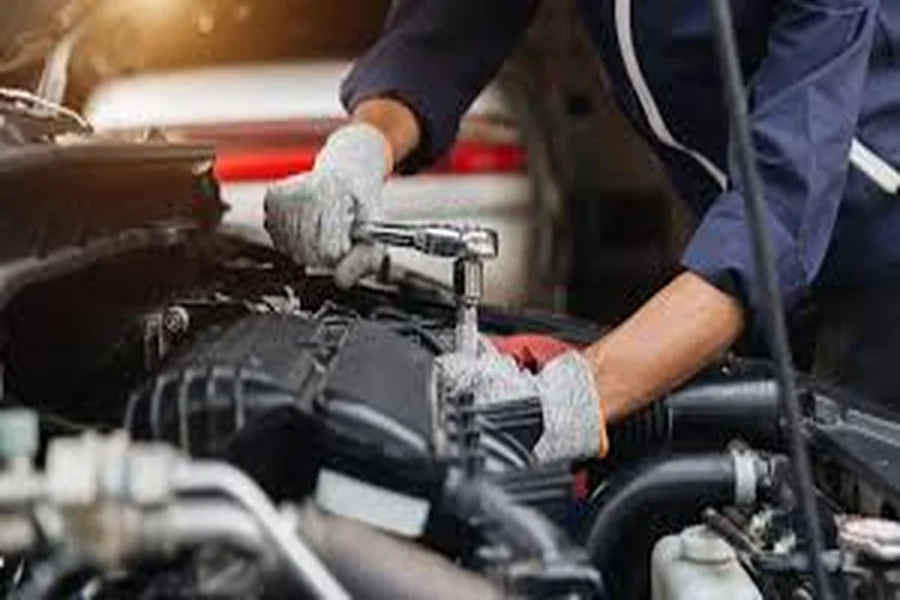
Keeping a vehicle in good condition isn’t just about avoiding breakdowns—it’s about safety, saving money, and making sure your car lasts as long as possible. Many drivers only think about maintenance when something goes wrong, but by then, repairs are often more expensive and inconvenient than regular upkeep would have been.
Vehicle maintenance doesn’t have to be complicated or technical. With a basic understanding of what your car needs and when it needs it, you can avoid most common problems and keep your vehicle running smoothly for years.
Why Vehicle Maintenance Matters
A car is made up of thousands of moving parts working together under heat, pressure, and constant motion. Over time, these parts wear down. Without regular care, small issues can grow into serious mechanical failures.
For example, ignoring a simple oil change can lead to engine damage. Skipping tire checks can cause uneven wear or even blowouts. A weak battery might leave you stranded at the worst possible time.
Beyond preventing breakdowns, good maintenance also improves fuel efficiency, reduces emissions, and keeps your driving experience smoother and safer.
Understanding Your Owner’s Manual
Every vehicle comes with an owner’s manual, and while it’s often ignored, it is one of the most important tools you have. It contains specific information about your car’s maintenance schedule, recommended fluids, tire pressure, and service intervals.
Following a Logbook Service ensures that all manufacturer-recommended maintenance tasks are completed on time, helping maintain your vehicle’s warranty and long-term performance.
Different vehicles have different needs. A compact car, an SUV, and a diesel truck will not have identical maintenance requirements. Following your manual ensures you are servicing your vehicle correctly rather than guessing or relying on general advice.
The Importance of Regular Oil Changes
Engine oil is often described as the lifeblood of a vehicle. It lubricates moving parts, reduces friction, and helps keep the engine cool. Over time, oil becomes dirty and less effective.
Most modern vehicles require an oil change every 5,000 to 10,000 kilometers, depending on the type of oil and driving conditions. If you frequently drive in heavy traffic, extreme temperatures, or dusty environments, your oil may need to be changed more often.
Neglecting oil changes can lead to sludge buildup and engine wear, which are far more expensive to repair than routine maintenance.
Tire Care and Safety
Tires are the only part of your car that touches the road, making them essential for safety and performance. Proper tire maintenance includes checking air pressure, inspecting tread depth, and rotating tires regularly.
Underinflated tires reduce fuel efficiency and increase the risk of blowouts, while overinflated tires can lead to uneven wear and poor traction. Most vehicles have a recommended tire pressure listed on a sticker inside the driver’s door or in the owner’s manual.
Tire rotation—usually every 8,000 to 10,000 kilometers—helps ensure even wear across all four tires. This extends their lifespan and improves handling.
Brake System Awareness
Your brakes are one of the most critical safety systems in your vehicle. Over time, brake pads wear down and need replacement. Ignoring brake issues can lead to longer stopping distances or complete brake failure.
Warning signs include squeaking or grinding noises, vibrations when braking, or a soft brake pedal. If you notice any of these symptoms, it’s important to have your brakes inspected immediately.
Brake fluid also plays an important role. It transfers the force from your foot on the pedal to the braking system. Low or contaminated brake fluid can reduce braking efficiency.
Battery Health and Electrical System
A car battery provides the power needed to start the engine and run electrical components. Batteries typically last between three to five years, depending on usage and climate.
Signs of a weak battery include slow engine starts, dim headlights, and electrical issues. Regular inspection of battery terminals for corrosion can help prevent unexpected failures.
If your car struggles to start, especially in cold weather, it may be time to test or replace the battery.
Cooling System Maintenance
The cooling system prevents your engine from overheating. It includes components like the radiator, coolant fluid, and hoses. If the engine gets too hot, it can suffer serious damage.
Coolant levels should be checked regularly and replaced according to your vehicle’s schedule. Leaks or low coolant levels should never be ignored.
Overheating is one of the most damaging problems a vehicle can experience, but it is often preventable with simple maintenance.
Air Filters and Fuel Efficiency
Air filters prevent dirt and debris from entering the engine. A clogged air filter reduces airflow, which can lower fuel efficiency and performance.
Most air filters are inexpensive and easy to replace. Checking them every 10,000 to 15,000 kilometers is a good habit. In dusty environments, they may need more frequent replacement.
Clean air filters help your engine breathe better, improving both power and fuel economy.
Fluid Checks Beyond Oil
Your vehicle relies on several fluids to function properly. These include transmission fluid, brake fluid, power steering fluid, and windshield washer fluid.
Each fluid has a specific role, and low levels can lead to performance issues or damage. For example, low transmission fluid can cause shifting problems, while low brake fluid can reduce stopping power.
Checking fluid levels regularly helps you catch small problems before they become serious.
Wiper Blades and Visibility
Windshield wipers are often overlooked, but they are essential for safe driving in rain or snow. Worn-out wipers can leave streaks or fail to clear the windshield properly.
Most wiper blades should be replaced every six to twelve months. If you notice skipping, squeaking, or reduced visibility, it’s time for new ones.
Good visibility is a key part of safe driving, especially in bad weather conditions.
Building a Maintenance Routine
The key to effective vehicle maintenance is consistency. Instead of waiting for problems to appear, follow a regular schedule. Many drivers find it helpful to set reminders for oil changes, tire rotations, and inspections.
Finding time for these critical checks can be difficult with a busy schedule. Arranging for a professional Ford service pickup and delivery allows you to handle routine maintenance without disrupting your day. This convenient choice helps keep your vehicle operating efficiently while ensuring that vital safety inspections are never delayed due to a lack of time.
A logbook service helps ensure that all scheduled maintenance tasks are completed according to the manufacturer’s requirements, keeping your vehicle in optimal condition and preserving its service history.
You don’t need to become a mechanic to take care of your vehicle. Even simple habits—like checking tire pressure once a month or listening for unusual sounds—can make a big difference.
Keeping a record of maintenance also helps you track what has been done and when, which is useful for long-term care and resale value.
Final Thoughts
Vehicle maintenance is not just about avoiding breakdowns—it’s about responsibility and smart ownership. A well-maintained car is safer, more reliable, and more cost-effective over time.
By paying attention to oil, tires, brakes, fluids, and general wear, you can prevent most major issues before they happen. The effort you put into maintenance today will save you stress, time, and money in the future.
In the end, taking care of your vehicle means it will take care of you—mile after mile, year after year.