
Choosing a Circle Necklace That Fits Your Style and Story
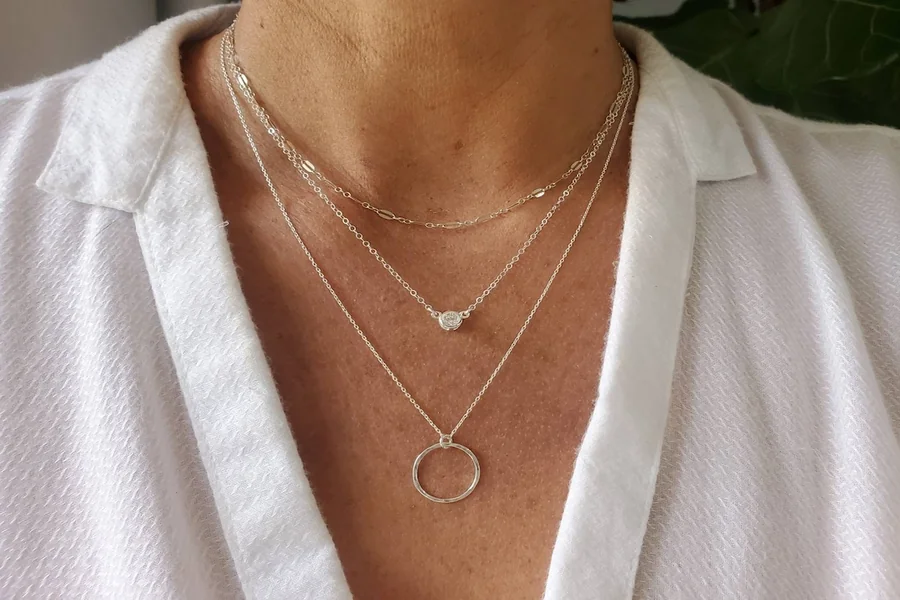
A small necklace can become one of the most frequently worn pieces in a jewelry collection. It may sit quietly against a work shirt, add a little detail to a plain dress, or carry a private reminder of someone close. Its usefulness comes from several choices working together: proportion, chain length, material, and personal meaning.
Interlocking circles offer a particularly open design. The connected shapes can suggest a relationship, a family, or a chapter of life, while remaining simple enough to wear without explaining the symbolism. Choosing well means considering both that emotional connection and the practical details that determine whether the necklace feels right on an ordinary day.
Give the symbolism room to be personal
Connected rings can be read as a picture of togetherness, but there is no need to assign every circle a fixed meaning. Two people may choose the same design for different reasons. One might associate it with a friendship; another might see continuity between past experiences and future plans.
For a gift, a specific message usually says more than a broad claim about eternal love or universal symbolism. A short note recalling a shared experience gives the piece a connection that belongs to the recipient. The necklace can then remain visually understated while the accompanying words explain why it was chosen.
Shokoro Handmade’s dainty interlocking circle necklace illustrates this balance through a linked three-circle design with a half-hammered texture. The combination offers an example of how a restrained geometric shape can carry a personal association without relying on an inscription or a large decorative pendant.
Check scale before judging a photograph
The word dainty describes an impression rather than a standard measurement. A close-up photograph can make a small pendant appear substantial, while a distant styling image may hide its details. Read the stated dimensions, then compare them with a necklace you already own.
A quick paper outline can help. Mark the approximate width and overall drop of the pendant, hold it where you expect it to sit, and view it in a mirror from a normal conversational distance. This will not reproduce the metal’s movement or shine, but it can reveal whether the proportions suit your preference.
Look at the whole shape, not only the diameter of one ring. Several circles may create a wider or longer arrangement than a single pendant. The space inside the rings also matters visually: an open design can feel lighter than a solid piece with similar outer dimensions. Decide whether you want a subtle line or a more noticeable focal point.
Choose length around the clothes you actually wear
The most useful chain length depends on where you want the pendant to rest and how that position interacts with your wardrobe. Start with two or three frequently worn tops. A necklace that works with your usual clothes is more likely to become a regular choice than one selected for a single idealized outfit.
With a crew neckline, try placing the pendant clearly above the edge or fully below it. A piece that sits directly on the seam may disappear or catch as you move. With an open collar, check whether the rings remain visible when the fabric shifts. For a V-neck, experiment with the space inside the opening rather than assuming the pendant must mirror its lowest point.
Measure a comfortable existing chain or use a soft measuring tape to estimate a preferred length without pulling it tight. Ask how the seller measures the necklace, particularly when the pendant forms part of the chain’s overall structure. An extender may offer flexibility, but confirm whether it is included and how much adjustment it provides.
Read material descriptions component by component
Color alone does not identify construction. A gold-colored necklace might use different materials for its pendant, chain, and clasp. Read each specification rather than assuming the entire piece is made from the material named most prominently in the title.
If terms such as gold-filled, plated, vermeil, or sterling silver appear, ask for clarification whenever the listing leaves the underlying metal or finish unclear. The purpose is to understand what you are buying and which care instructions apply. A higher price or warmer color does not supply that missing information.
For appearance, begin with the jewelry you reach for most often. Yellow gold tones may repeat the warmth of familiar earrings, while silver tones may connect with a watch or everyday rings. Rose tones offer another option. Treat these as styling preferences, not rules about which complexion is allowed to wear which metal.
If you have reacted to jewelry before, check the stated composition of every component and ask the maker about anything unspecified. Do not infer suitability from a general phrase such as gentle on skin. The exact materials are more useful information than a broad reassurance.
Keep layering deliberate and comfortable
An interlocking pendant can be worn alone when you want its shape to remain clear. If you prefer layering, begin with one additional chain and leave enough separation for both pieces to be distinguishable. Try the combination while sitting, turning your head, and adjusting your collar, since a still photograph cannot show how necklaces behave together.
Contrast can make a layered arrangement easier to read. A plain chain beside a ring motif gives each piece its own role. Several pendants of similar size at the same height may compete for space. There is no required number of layers; stop when the arrangement feels balanced and manageable.
Use a short checklist when buying a gift
A meaningful gift still needs to suit the person receiving it. Before choosing a necklace, consider these practical questions:
- Does the recipient regularly wear necklaces, and which lengths do they prefer?
- Which metal colors appear most often in their existing jewelry?
- Are the pendant dimensions, chain construction, and clasp clearly described?
- Would an adjustable length make the choice easier to wear?
- Are the delivery timing, gift presentation, and return conditions suitable?
If you are unsure about style, look for repeated choices rather than an occasional special-event outfit. A person who wears one fine chain every day may appreciate a different scale from someone who enjoys bold statement jewelry. A gift receipt or an exchange option can preserve the thoughtfulness while allowing a better fit.
Make care part of the routine
The Gemological Institute of America’s jewelry care guidance explains that chemicals can damage or discolor precious metals and recommends protective storage. That is a useful starting point, but the maker’s instructions should guide cleaning for the specific necklace, especially when different components or surface finishes are involved.
Give the necklace a dedicated place when it is removed, rather than leaving it loose among other pieces. Before using a polishing cloth, liquid cleaner, or cleaning machine, confirm that the method suits its materials. When the composition is uncertain, ask the seller or a jeweler instead of experimenting with a household remedy.
Pay attention to function as well as appearance. If the clasp stops closing reliably, a connection looks open, or the chain catches unusually, set the piece aside for inspection. A simple repair question is easier to address while you still have the necklace and can show exactly where the problem is.
Choose the piece you will want to wear
A well-chosen circle necklace brings its meaning and its physical details into agreement. The symbolism feels appropriate, the scale works at a normal viewing distance, and the length fits the clothes you wear most. Clear material information and a manageable care routine complete the choice.
Take time to compare measurements, imagine ordinary outfits, and decide what the connected shapes mean to you or the recipient. The goal is a necklace that feels comfortable and personal when the occasion has passed, whether it becomes a daily habit or a piece reserved for moments worth marking.