
Anti-Reflective Coating For Glasses: What It Really Changes And Who Can Skip It
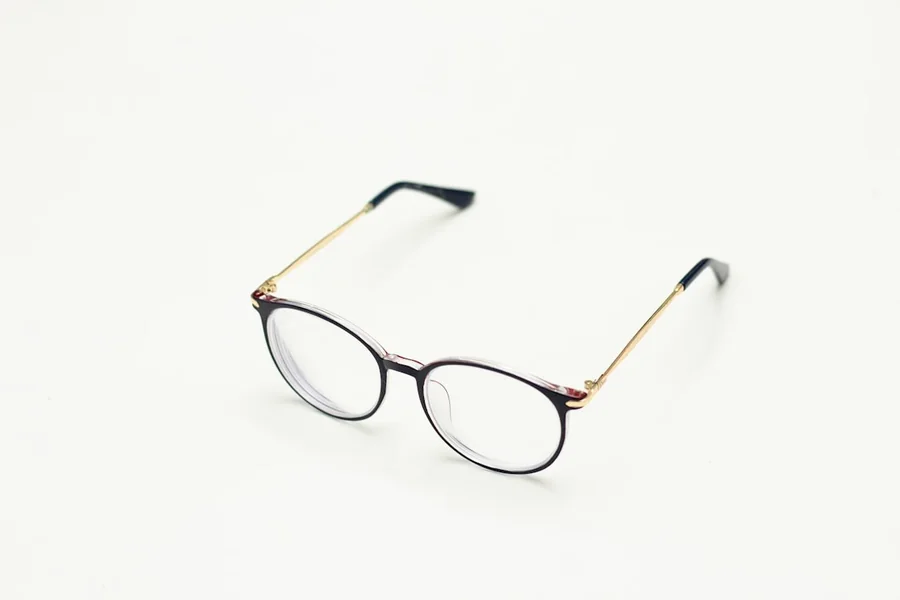
The phrase “anti-reflective coating” often appears on prescriptions and price lists like an automatic add-on. Sales pages promise clearer vision, less glare and better selfies. At the same time, the coating raises the cost of lenses, so the question appears: is this extra layer a must have feature or just a nice luxury?
The decision rarely happens in a vacuum. A person may read reviews, compare lens packages on a site, or scroll platforms such as sankra while trying to understand whether everyday life will actually feel different with this coating. Behind all marketing language stands a fairly simple principle: anti-reflective layers are not magic, but they can make glasses behave more like a clean window and less like a mirror.
What Anti-Reflective Coating Actually Does
Technically, anti-reflective (AR) coating is a set of very thin layers added to the surface of a lens. These layers reduce the amount of light that bounces off the lens and increase the amount that passes through it. In practice, less bouncing light means fewer distracting reflections on both sides.
On the front surface of the lens, AR coating cuts down headlight halos, screen glare and bright patches from windows or lamps. On the back surface, it reduces reflections of the eye itself or of objects behind. As a result, surroundings look clearer and eyes become more visible to others.
Many modern AR coatings also include extra features: added hardness for scratch resistance, hydrophobic layers that make cleaning easier, and sometimes blue light filters for heavy screen use. The exact mix depends on the manufacturer, which is why two pairs of “anti-reflective” lenses can behave quite differently in the same conditions.
Everyday Moments Where Anti-Glare Coating Helps Most
For some lifestyles, AR coating changes more than it seems on paper. Certain daily situations gain comfort, safety or just less annoyance when lens reflections stop competing with actual objects.
Typical Scenarios Where AR Coating Earns Its Price
-
Night driving under bright headlights
On uncoated lenses, incoming headlights and street lamps often create starbursts and ghost reflections that interfere with contrast. With a good anti-reflective layer, windshields, mirrors and road markings remain easier to read in the same conditions.
-
Office work and long screen sessions
In rooms with mixed lighting, reflections of overhead lamps on lenses quickly become tiring. Anti-reflective coating lowers that constant shimmer and lets the eyes focus on text rather than on bright spots on the lens surface.
-
Video calls and photos
Cameras easily capture white rectangles from monitors and windows. When lenses are coated, facial expression becomes clearer and frames reflect less light, which often looks more professional in work calls and cleaner in personal photos.
-
Strong diopters and thicker lenses
The higher the prescription, the more light tends to bounce inside the lens. People with strong minus or plus values often notice a bigger difference in clarity and aesthetics once reflections are tamed.
For those who wear glasses from morning to evening, small improvements in each of these moments stack into a noticeable change over weeks and months.
Who Can Safely Live Without Anti-Reflective Lenses
There is also a group of people for whom AR coating is less critical. Not every prescription, job or lifestyle demands maximum performance in tricky lighting. In some cases, the extra budget is better spent on a second pair, thinner material or stronger frames.
Occasional wearers, very mild prescriptions and certain outdoor scenarios often fall into this category. The trick is to match coating choices to real habits instead of to a generic recommendation.
Situations Where Anti-Reflective Coating Is Often Optional
-
Glasses used only as occasional backup
If lenses live in a bag or drawer and appear for rare tasks such as night driving once a month, anti-reflective layers may not justify the cost. It can still help, but the upgrade no longer sits in the “must” category.
-
Dedicated sunglasses with strong tint
Dark, high quality sun lenses already block a large portion of light and glare. In many cases, AR on the inner surface is useful, but on the front surface it becomes more about aesthetics than function.
-
Very low diopters used only for reading at home
Someone who uses simple reading glasses only in calm indoor lighting and does not stare at screens for hours often notices little difference with or without coating. Comfort gains are minimal compared to everyday full time wear.
-
Extremely tight budgets or children’s “first pair”
When budget is limited and breakage risk is high, sturdier frames and basic lens quality may deserve priority. AR can always join on a later, more stable pair.
In these cases, the absence of anti-reflective coating does not turn life into a blur. It simply leaves a few reflections that might be acceptable for the way the glasses are used.
How To Decide At The Optician’s Desk
In the end, the choice comes down to a simple check list: how often glasses sit on the nose, in what environments, and with what prescription strength. Full time wearers who drive at night, work under artificial lighting and rely heavily on screens usually gain the most from AR. Part time users in soft lighting with gentle prescriptions can treat it as a flexible upgrade.
A short conversation with an optician that focuses on typical days, not only on lens catalogs, often reveals the best path. If most hours include moving between streets, office, kitchen and phone, anti-reflective coating turns into an everyday comfort feature rather than a luxury add-on.
There is no universal rule. For some, the first pair with good AR creates the feeling that glasses have finally become “invisible” in daily life. For others, basic lenses already do enough. The key is to choose from a clear view of real habits and needs, not from pressure at the sales desk or from vague promises on a brochure.