
Emerald for a May 31 Birthday: A Gift Chosen for Real Life
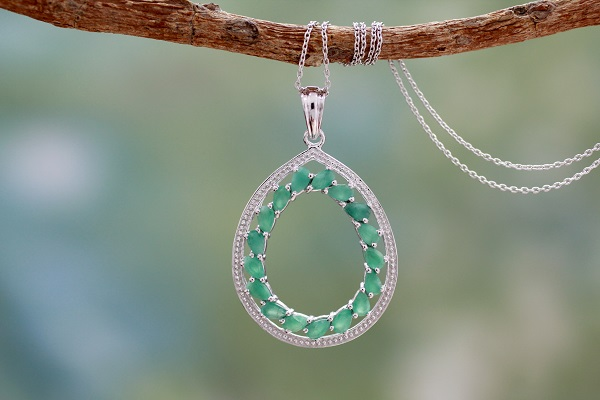
Emerald is the birthstone for May, including its final day. For a May 31 birthday, its green color supplies an immediate connection to the month. Turning that connection into a successful gift takes more than finding a green stone in an appealing box.
The most useful starting point is the recipient’s routine. A person who enjoys occasional statement jewelry may want something quite different from someone who leaves home wearing the same small pendant every morning. Emerald can suit either preference, but the stone, setting, and care expectations should be considered together.
One month, one familiar association
The monthly birthstone tradition does not change on May 31. Emerald remains the recognized May stone even when a birthday falls close to June. Other systems may connect gems with zodiac signs or individual dates, but those are separate conventions and should be identified as such.
TrueSanity’s guide to the May 31 birthstone places the date within the broader May emerald tradition and discusses the gem’s meaning and jewelry options. That monthly connection is enough to explain a birthday gift. There is no need to invent a special variety of emerald reserved for the last day of the month.
Emerald’s association with renewal also offers a natural way to mark a personal milestone. Treat that meaning as a cultural or personal interpretation, rather than a promise of health, luck, or a change in character. A note about the recipient’s recent achievements makes the symbolism specific.
Decide how the gift will be worn
Start by thinking about when the jewelry would realistically leave its box. If the recipient wears necklaces to work but removes rings for practical tasks, a pendant may fit more easily into their life. If they love rings and already understand gemstone care, a ring can be a thoughtful choice.
Notice details that are easy to miss during shopping. A long pendant may catch on clothing, a tall ring may snag, and heavy earrings may be uncomfortable after an hour. A small photograph rarely communicates these differences. Ask for dimensions, weight where relevant, and images showing the piece being worn.
A birthday surprise also introduces uncertainty about size and taste. Before choosing a personalized or nonreturnable item, establish whether it can be exchanged. If the recipient is particular about jewelry, choosing the piece together can preserve the meaning of the gift while improving the fit.
Understand what you are seeing inside the stone
Emerald frequently contains visible internal features called inclusions. Some create a branching or garden-like appearance, often described with the French word “jardin.” Their presence does not automatically make a stone unattractive, but their effect on transparency and durability deserves attention.
Look at the gem as a whole. Is its green pleasing, and can you still see life and movement in it? A larger emerald that looks very dark may be less enjoyable to the recipient than a smaller stone with a more appealing appearance. Ask to compare candidates under similar lighting instead of comparing unrelated promotional photographs.
There is also a distinction between accepting natural features and ignoring condition. A visible internal feature is not the same as a damaged edge or a fracture in a vulnerable place. Ask the seller to explain any feature that could affect setting, wear, or future repair. If the answer remains vague, seek a clearer assessment before buying.
Do not use country of origin as a shortcut for evaluating beauty. Emeralds from different sources can overlap in appearance. If a particular origin is part of the appeal or price, request evidence rather than relying on color alone to establish it.
Treatment disclosure belongs in the decision
Many emeralds have surface-reaching fractures filled with substances such as oils or resins to make those fractures less visible. This is called clarity enhancement. Understanding it helps explain why a stone can look appealing yet still need careful handling.
Ask whether the emerald has been treated, what kind of treatment is known, and whether supporting documentation is available. If a report describes the amount of clarity enhancement, do not read that description as a complete quality grade. Color, transparency, condition, and cutting still contribute to the overall assessment.
For a substantial purchase, an independent laboratory report can clarify relevant identification and treatment information. Read it alongside the seller’s description and check that it relates to the stone being offered. Keep both documents rather than relying on a photograph of a tag.
A short conversation with the seller should cover these points:
- Is the stone natural or laboratory-grown, and is that stated on the receipt?
- What treatments are disclosed, and what remains unknown?
- Does the setting protect vulnerable edges without hiding the stone excessively?
- What cleaning and repair instructions apply to this particular piece?
- Can the gift be resized or exchanged after the birthday?
These questions help compare offers that might otherwise look similar. An attractive price means more when the description is precise and the recipient can wear the piece as intended. Set a total budget that also leaves room for any resizing or maintenance the seller identifies.
Why hardness does not settle the care question
Emerald measures 7.5 to 8 on the Mohs hardness scale, but hardness concerns scratching. Resistance to breaking or chipping is a different property. Existing fractures can make an emerald more vulnerable to an impact than its hardness number alone suggests.
The Gemological Institute of America’s emerald care and cleaning guide explains how heat, cleaning equipment, and fracture-filling materials affect care. It recommends gentle cleaning with warm soapy water and warns against ultrasonic and steam cleaning. That advice should accompany the gift, particularly when the recipient is used to treating all jewelry alike.
For a ring, consider activities that bring hands into repeated contact with hard surfaces. Gardening, moving furniture, and exercise with metal equipment are sensible occasions to remove it. A protective setting can reduce exposure, but it cannot turn emerald into an impact-proof material.
Make storage equally simple. Give the piece its own soft compartment or pouch so it does not knock against other jewelry. If a setting catches on fabric or the stone seems to move, stop wearing it until a jeweler checks it.
Build a gift around the person
The birthstone provides a theme, while the recipient’s existing choices provide the design brief. Look at whether they favor yellow or white metal, geometric shapes or softer outlines, and single stones or more elaborate arrangements. These observations are more reliable than assuming that a birthday determines style.
A gift does not have to maximize stone size. A modest emerald in a comfortable piece may receive more use than a dramatic design that feels unfamiliar. If the person prefers occasional jewelry, an expressive piece can still be appropriate, provided the choice reflects that preference.
Include a short care card with the receipt and any report kept separately. The card can identify emerald, explain gentle cleaning, and remind the wearer to avoid steam and ultrasonic equipment. Clear instructions are easier to remember than a long speech during the birthday celebration.
A birthday piece with a useful future
For May 31, emerald offers a recognizable link to the birth month and room for an individual interpretation. The strongest gift choices combine that meaning with practical decisions about appearance, condition, treatment disclosure, and wear.
Select the piece with the recipient’s actual habits in mind. When the design feels comfortable and its care is understood, the stone becomes something they can enjoy on their own terms, rather than an object they are afraid to use.