
How Can High Crawl Space Humidity Damage Floor Joists and Subfloors?
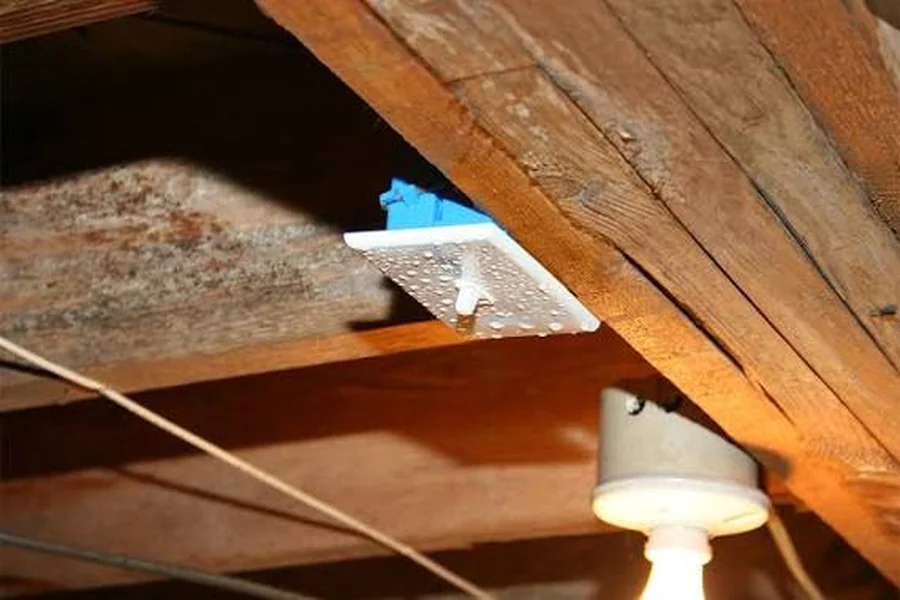
Crawl spaces are often overlooked areas of a home, yet they play a crucial role in maintaining the structural integrity and indoor air quality of the entire building. When humidity levels rise in these confined spaces, the excess moisture can have far-reaching consequences, particularly for the wooden components that support your floors. High crawl space humidity can silently compromise floor joists and subfloors, leading to costly repairs and potential health hazards. Understanding how moisture infiltrates these areas and the specific ways it damages wood is essential for homeowners who want to protect their investment and ensure a safe, comfortable living environment.
What to Expect in This Article
The Relationship Between Crawl Space Humidity and Wood Damage
Crawl spaces are naturally prone to higher humidity due to their location beneath the home and limited ventilation. When moisture from the ground or outside air enters the crawl space, it becomes trapped, raising the relative humidity. Wood, which makes up most floor joists and subfloors, is highly sensitive to changes in moisture. As humidity increases, wood fibers absorb water from the air, causing them to swell and lose their structural rigidity. Over time, this repeated cycle of swelling and shrinking weakens the wood, making it more susceptible to warping, cracking, and even rotting. The presence of high humidity also creates an ideal environment for fungi and bacteria, which further accelerate the deterioration of wooden components. If left unchecked, these issues can compromise the stability of your floors, leading to uneven surfaces, squeaks, and even dangerous sagging.
How Mold and Fungi Thrive in Humid Crawl Spaces
One of the most significant threats posed by high crawl space humidity is the rapid growth of mold and fungi. These organisms require only a small amount of moisture to begin colonizing wood surfaces, and a humid crawl space provides the perfect breeding ground. Once established, mold and fungi feed on the cellulose in wood, breaking down its fibers and causing it to lose strength. This process not only weakens floor joists and subfloors but also releases spores into the air, which can travel throughout the home and pose health risks to occupants. Homeowners often seek mold treatment services to address these infestations, but prevention is always more effective than remediation. By controlling humidity levels, you can significantly reduce the risk of mold and fungal growth, preserving the integrity of your home’s structure and maintaining a healthier indoor environment.
Signs of Damage to Floor Joists and Subfloors
Detecting damage caused by high crawl space humidity can be challenging, as much of the deterioration occurs out of sight. However, there are several warning signs that may indicate a problem beneath your floors. Homeowners might notice that their floors feel spongy or uneven, which can be a result of weakened or rotting joists. Persistent musty odors in the home are another red flag, as they often signal the presence of mold or mildew in the crawl space. In more advanced cases, visible sagging or bowing of the floor may occur, indicating that the structural support has been compromised. Addressing these issues promptly is crucial, as delayed action can lead to more extensive and expensive repairs. Regular inspections of your crawl space, especially during humid months, can help catch problems early and prevent further damage.
Preventing Humidity-Related Damage
The most effective way to protect floor joists and subfloors from humidity-related damage is to control moisture levels in the crawl space. This can be achieved through a combination of proper ventilation, vapor barriers, and dehumidification systems. Sealing vents and installing a high-quality vapor barrier on the ground can prevent moisture from entering the crawl space, while a dehumidifier can help maintain optimal humidity levels year-round. It is also important to address any drainage issues around the foundation, as standing water can quickly raise humidity levels and promote wood decay. Regular maintenance and monitoring are key to ensuring that these preventive measures remain effective over time. By taking proactive steps to manage crawl space humidity, homeowners can extend the lifespan of their floor joists and subfloors, avoid costly repairs, and maintain a safe, comfortable living environment.
Managing whole-home humidity levels also involves ensuring that heating and cooling equipment functions properly, as improper airflow can worsen moisture issues. Working with experienced technicians like LB Heating & Air Conditioning Co. helps keep indoor climate control systems balanced throughout every season. Maintaining consistent indoor ventilation supports healthy humidity levels, reducing the likelihood of dampness spreading from lower areas into main living spaces.
The Cost of Ignoring Crawl Space Humidity
Ignoring high humidity in your crawl space can lead to significant financial and structural consequences. As wood components deteriorate, the cost of repairs increases, often requiring the replacement of entire sections of floor joists or subfloors. In severe cases, the damage can extend to other parts of the home, such as walls and support beams, further escalating repair costs. Additionally, the presence of mold and mildew can decrease property value and make it more difficult to sell your home. Insurance policies may not cover damage caused by neglect, leaving homeowners responsible for the full cost of repairs. Investing in moisture control solutions is a small price to pay compared to the potential expenses associated with extensive structural damage and mold remediation.
Why Professional Assessment Matters
A professional assessment of your crawl space can provide valuable insights into the extent of humidity-related damage and the most effective solutions for your home. Trained inspectors use specialized tools to measure moisture levels, identify hidden mold growth, and assess the condition of floor joists and subfloors. They can recommend targeted interventions, such as encapsulation or advanced dehumidification systems, tailored to your specific needs. Regular professional inspections can catch problems early, allowing for timely repairs and preventing further deterioration. By relying on professional assessments, homeowners can make informed decisions about maintaining their crawl space and protecting their investment for years to come.
Conclusion
High crawl space humidity is a silent but serious threat to the structural integrity of floor joists and subfloors. Excess moisture creates the perfect conditions for wood decay, mold growth, and fungal infestations, all of which can compromise the safety and comfort of your home. Recognizing the signs of damage and taking proactive steps to control humidity are essential for preserving your property’s value and ensuring a healthy living environment. Regular inspections, moisture control measures, and timely repairs can help prevent costly damage and extend the lifespan of your home’s wooden components. By understanding the risks and addressing them promptly, homeowners can safeguard their investment and enjoy peace of mind for years to come.