
Why Is Water Collecting Around the Indoor Heating and Cooling Unit?
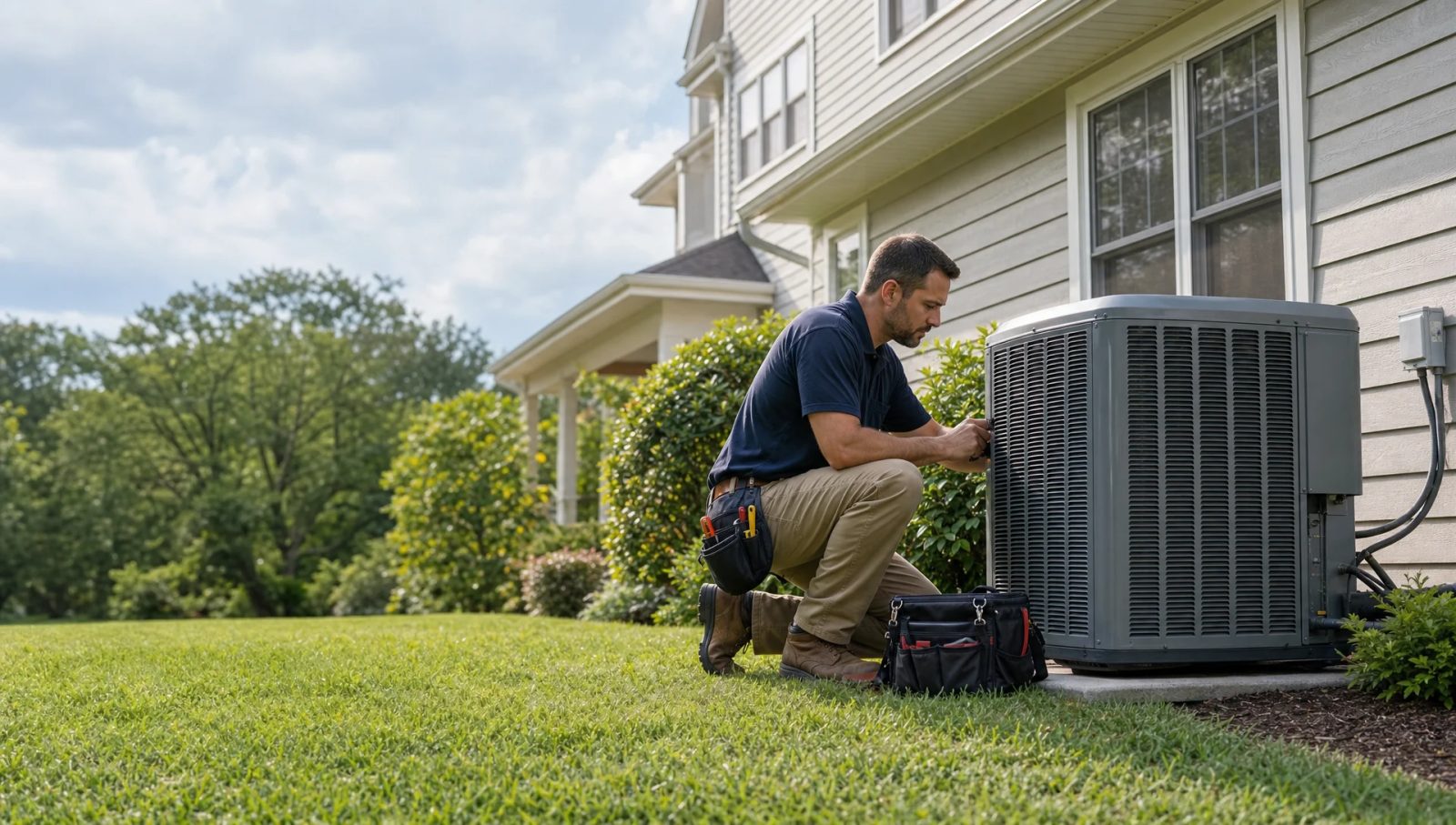
Water pooling around your indoor heating and cooling unit can be alarming and may signal underlying issues that require attention. This situation is not only inconvenient but can also lead to property damage, mold growth, and reduced system efficiency if left unresolved. Understanding the causes behind water accumulation is essential for maintaining a comfortable and safe indoor environment. By identifying the source of the problem, you can take appropriate steps to address it and prevent further complications. This article provides a comprehensive look at the reasons for water collecting around your HVAC system and offers guidance on what actions to take.
Common causes and solutions preview
How Condensation Leads to Water Accumulation
One of the most frequent reasons for water collecting around an indoor heating and cooling unit is condensation. When your air conditioner or heat pump is running, it cools the warm air inside your home. As the air cools, moisture in the air condenses on the evaporator coil, forming water droplets. Normally, this water drips into a drain pan and is carried away through a condensate drain line. However, if the drain line becomes clogged with dirt, algae, or debris, the water has nowhere to go and can overflow the pan, resulting in water pooling around the unit. Additionally, a cracked or rusted drain pan can also cause leaks. Regular maintenance, such as cleaning the drain line and inspecting the drain pan, can help prevent these issues. If you notice persistent water accumulation, it is important to address the problem promptly to avoid water damage and potential mold growth in your home.
The Role of Air Filters and Airflow
Another significant factor contributing to water around your HVAC unit is restricted airflow, often caused by dirty or clogged air filters. When airflow is limited, the evaporator coil can become excessively cold and freeze. Once the system cycles off, the ice melts and the resulting water may overwhelm the drain pan, leading to leaks. In some cases, improper installation or sizing of the air filter can also disrupt airflow and contribute to freezing. Homeowners should check and replace air filters regularly, typically every one to three months, depending on usage and the type of filter. Ensuring proper airflow not only prevents water issues but also helps your system run more efficiently and extends its lifespan. If you have already changed the filter and still notice water, it may be time to consider furnace repair to address deeper mechanical or drainage problems within the unit.
Problems with the Condensate Pump
Many indoor heating and cooling units, especially those located in basements or areas below ground level, rely on a condensate pump to remove water from the drain pan. The pump activates when water reaches a certain level, pushing it through a discharge line to a suitable drainage location. If the pump fails due to electrical issues, mechanical wear, or blockages in the discharge line, water can back up and overflow the pan. This can result in noticeable puddles around the unit and, if left unchecked, may cause water damage to floors and walls. Regular inspection and testing of the condensate pump are important, particularly before the start of the cooling season. If you hear unusual noises from the pump or notice that it is not activating as it should, prompt attention is necessary to prevent further complications. In some cases, replacing the pump or clearing the discharge line may resolve the issue, but persistent problems may require professional assessment.
Short Paragraph: Signs of Water Issues
Visible water around your HVAC unit, musty odors, or increased humidity indoors are clear signs of a drainage problem. Addressing these symptoms quickly can help prevent mold growth and protect your home from water damage.
Paying attention to subtle changes in system performance often helps identify drainage issues before major pooling occurs. When homeowners notice slight moisture or airflow changes, consulting guides or diagnostic resources can clarify what steps to take next. If you want to read more about maintaining HVAC efficiency, reviewing common operational signs can assist in making informed upkeep decisions.
When localized cooling issues or persistent drainage troubles extend beyond standard DIY troubleshooting, contacting a regional HVAC specialist can help restore balanced system operation. Local technicians understand how area humidity levels impact cooling components and can accurately evaluate internal drainage lines. Homeowners needing local assistance can Visit our Sterling location to speak with qualified technicians about system evaluations.
Impact of Improper Installation or Maintenance
Improper installation or lack of regular maintenance can also lead to water collecting around your indoor heating and cooling unit. If the unit is not level, water may not flow properly into the drain pan and out through the drain line, causing it to spill over. Additionally, poorly sealed ductwork or gaps around the unit can allow warm, humid air to enter and condense on cold surfaces, increasing the amount of water present. Regular maintenance visits from a qualified technician can help identify and correct installation issues, as well as ensure that all components are functioning as intended. During these visits, technicians can check for loose connections, clean the evaporator coil, and verify that the unit is properly leveled. Homeowners should also be aware of the age of their system, as older units are more prone to leaks due to wear and tear on components like the drain pan and seals. Taking proactive steps to maintain your system can help avoid costly repairs and extend the life of your HVAC equipment.
Scheduling routine checkups helps keep internal components clean and operating properly, which reduces the likelihood of unexpected drainage issues over time. Homeowners seeking consistent performance and fewer emergency breakdowns often rely on services like https://www.plunkettheatcool.com/services/preventative-maintenance to ensure their system remains properly balanced throughout the year.
When to Seek Professional Help
While some causes of water accumulation can be addressed with routine maintenance, there are situations where professional help is necessary. If you have checked the air filter, drain line, and condensate pump but still notice water pooling around your unit, it may indicate a more serious issue such as a refrigerant leak, malfunctioning coil, or internal blockage. Attempting to fix these problems without proper training can lead to further damage or even pose safety risks. A qualified technician can perform a thorough inspection, diagnose the root cause, and recommend appropriate repairs. Additionally, if you notice signs of water damage to your home, such as warped flooring or stained walls, it is important to act quickly to prevent mold growth and structural issues. Regular professional maintenance can also help catch potential problems early, ensuring your system operates efficiently and reliably throughout the year.
Conclusion
Water collecting around your indoor heating and cooling unit is a clear indication that something is not functioning as it should. Addressing the issue promptly is essential to prevent property damage, maintain indoor air quality, and ensure the longevity of your HVAC system. By understanding the common causes, such as condensation, restricted airflow, pump failures, and installation issues, you can take proactive steps to resolve the problem. Regular maintenance, timely filter changes, and professional inspections are key to keeping your system running smoothly. If you encounter persistent water issues, do not hesitate to seek professional assistance to protect your home and maintain a comfortable living environment.