
Understanding What Is Considered Major Damage to a Car After an Accident
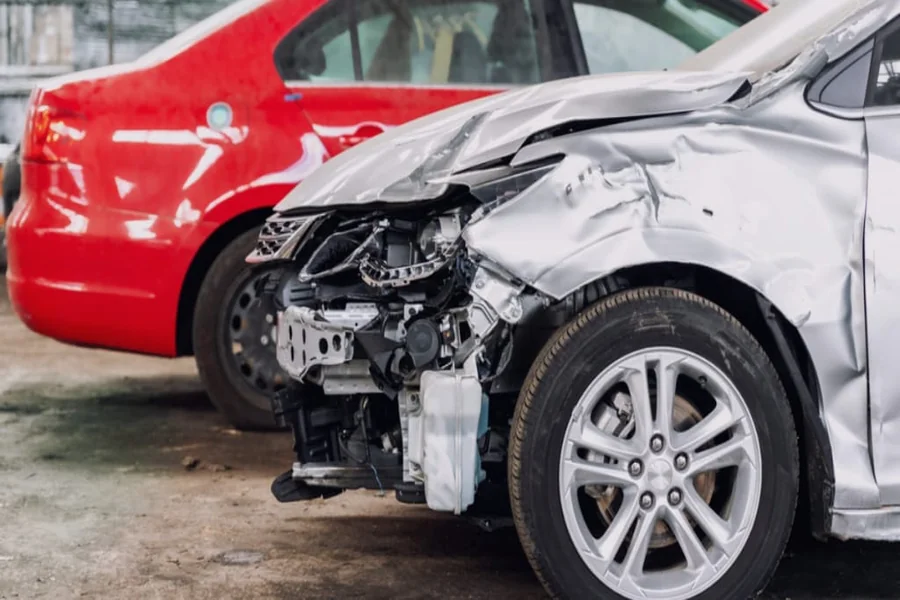
When a collision occurs, the visible aftermath can be deceiving. A car might look drivable but carry serious underlying problems, or it may appear totaled when repairs are actually feasible. Understanding what constitutes major damage to a car is essential to protecting your rights, your safety, and your financial recovery.
The Spectrum of Vehicle Damage
Not all accident damage is treated equally by insurance companies, auto body professionals, or attorneys. When it comes to establishing what is considered major damage to a car, the losses are generally categorized into three tiers: minor, moderate, and major.
Minor Damage
Minor damage typically includes small dents, scratches, scuffs, faded paint, and cracked bumpers that do not affect how the vehicle drives or compromise occupant safety. These issues are primarily cosmetic in nature. Despite their limited functional impact, they still reduce a car’s resale value and are generally covered under an insurance claim.
Moderate Damage
Moderate damage extends to larger dents, broken mirrors, cracked lights, and components that require significant replacement or bodywork. These repairs are more involved but are usually restorable to a safe condition. Insurance typically covers moderate damage as well, though the claims process can be more complex.
Major Damage
Major damage is defined by its threat to structural integrity and overall vehicle safety. This is the tier where understanding what is considered major damage to a car becomes especially critical. Severe collisions can compromise the frame, engine, transmission, suspension, or electrical systems, rendering the vehicle unsafe or completely inoperable until properly repaired.
Types of Damage That Signal a Major Collision
Some forms of damage are particularly telling indicators of a serious accident. The following categories frequently appear in high-impact collisions and carry significant implications for vehicle safety and insurance valuation.
Frame and Unibody Damage
Traditional vehicles rely on a steel frame to support the entire structure. If that frame is bent, the car may handle unpredictably during sudden maneuvers or fail to protect occupants in a future crash. Modern vehicles use a unibody design, where the frame and body are integrated into a single structure. A single bend in a unibody vehicle can affect multiple systems, from door alignment to suspension geometry.
Frame and unibody damage represent one of the clearest examples of what is considered major damage to a car. Repairs may not restore the vehicle to factory safety standards, which is why insurance companies sometimes declare these vehicles a total loss.
Structural Misalignment
When a vehicle’s structural components shift out of alignment, the signs are often subtle at first. Doors, hoods, or trunks that no longer close properly, uneven tire wear, or a car that pulls to one side are all warning indicators. These symptoms can create dangerous driving conditions and may indicate deeper frame or suspension damage that is not immediately visible after an accident.
Damage to Critical Mechanical Systems
Severe accidents can damage components that are not visible from the outside. Engine damage, transmission failure, compromised suspension, and electrical system faults may only surface during a professional inspection. Hidden damage of this kind is particularly important to identify early, as it can affect both your safety and the value of your insurance claim.
Tire, Rim, and Bumper Damage
Punctured tires, bent or cracked rims, and detached bumpers may seem like cosmetic issues at first glance. However, significant rim damage can throw off wheel alignment and make the vehicle unsafe to drive. Compromised bumpers lose their ability to absorb impact in future collisions, removing a critical layer of crash protection.
How Insurance Companies Evaluate Major Damage
When damage is extensive, insurers apply a total-loss formula to determine whether repair costs exceed the vehicle’s actual cash value (ACV) before the accident. If that threshold is met, the insurer typically declares the vehicle a total loss and compensates the owner based on pre-accident market value rather than repair costs.
This creates a significant challenge for accident victims. Because vehicles depreciate over time, the payout often does not cover the cost of replacing the damaged car with a comparable model. Victims may find themselves absorbing the difference out of pocket.
Repair vs. Replacement: Key Factors
Several factors influence whether a damaged vehicle should be repaired or replaced entirely. The cost of repairs relative to the vehicle’s current market value is usually the deciding factor. Beyond finances, the ability to restore the car to a genuinely safe condition matters. Certain structural damage cannot be fully corrected without compromising the vehicle’s original crumple zones or crash performance standards.
The vehicle’s age and mileage also factor into the decision. Older, high-mileage vehicles with a lower market value may not justify the cost of extensive structural repairs, while newer vehicles in good pre-accident condition might still be strong candidates for repair.
What to Do Immediately After an Accident
Regardless of how serious the damage appears, taking the right steps after a collision protects both your safety and your legal options.
Move to a safe location and check for injuries before anything else. Contact emergency services and request a police report, which serves as crucial documentation for insurance and legal proceedings. Photograph everything at the scene, including vehicle damage, road conditions, and skid marks. Collect contact and insurance information from all parties involved.
Importantly, do not authorize repairs until your insurance provider or an experienced car accident attorney has had the opportunity to assess the damage. Early repairs can obscure evidence that may be critical to your claim.
How an Experienced Attorney Can Help
Navigating a vehicle damage claim after a serious accident is rarely straightforward. Insurance companies have financial incentives to minimize payouts, and without proper legal guidance, victims may accept settlements that fall far short of their actual losses.
An experienced car accident attorney can help document the full extent of your vehicle damage, challenge lowball insurance valuations, and pursue compensation beyond what a standard insurance claim provides. This includes recovery for medical expenses, lost wages, and non-economic damages such as pain and suffering.
If the at-fault driver is uninsured, if damages exceed policy limits, or if the insurance company refuses to fairly compensate you for a totaled or severely damaged vehicle, the best personal injury law firm can evaluate whether filing a lawsuit is the appropriate course of action. Legal representation ensures that the full picture of your losses is accounted for, including projected future costs and your vehicle’s diminished value.
Understanding what is considered major damage to a car is the first step. Getting the right legal support is what turns that knowledge into fair compensation.