
Experience the Best of Hawaii with Maui Scuba Diving Adventures
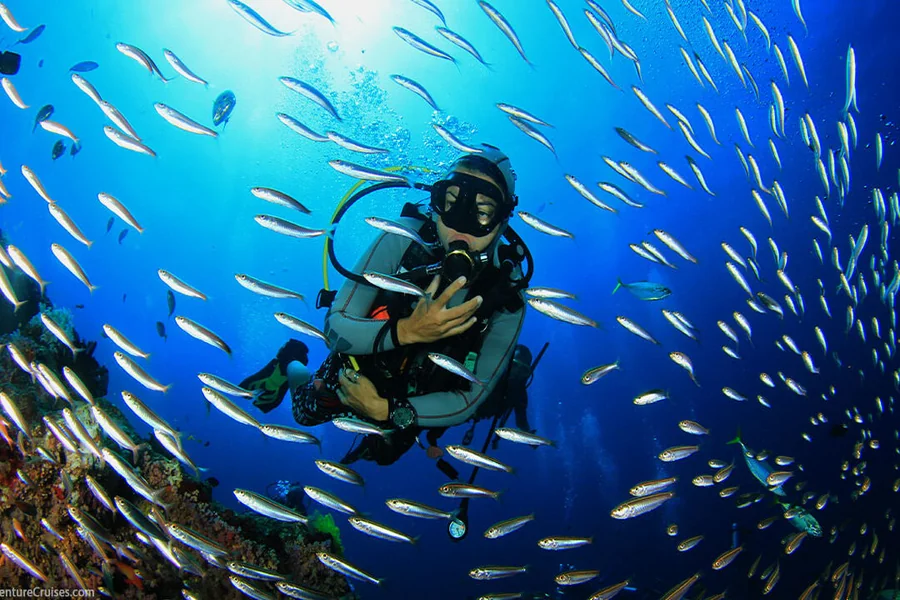
The Hawaiian Islands are known for volcanic landscapes, warm ocean waters, and a marine ecosystem unlike anywhere else in the Pacific. Among the islands, Maui has earned a reputation as one of the world’s most rewarding diving destinations. Crystal-clear visibility, lava-formed underwater structures, and thriving coral reefs create an environment that appeals to beginners and experienced divers alike. For travelers looking to explore Hawaii beneath the surface, Maui scuba diving offers a rare combination of adventure, education, and natural beauty.
Maui’s waters remain warm throughout the year, typically ranging between 74 and 80 degrees Fahrenheit. This consistent climate allows divers to experience healthy reef systems and marine biodiversity in every season. The island’s unique geography also creates a variety of dive conditions, from calm shallow reefs suitable for training to deeper drift dives with dramatic underwater terrain. These factors have made Maui one of the most respected scuba destinations in the United States.
Maui’s Underwater Environment Creates Exceptional Diving Conditions
One of the defining features of Maui diving is the island’s volcanic origin. Ancient lava flows formed underwater arches, caverns, and rugged reef walls that now support diverse marine life. These formations create habitats for tropical fish, sea turtles, octopuses, rays, and seasonal visitors such as humpback whales.
Visibility in Maui often exceeds 60 to 100 feet, especially on the island’s leeward side where waters remain calmer. This level of clarity gives divers the opportunity to fully appreciate coral gardens and volcanic rock structures without the limitations found in many coastal destinations around the world.
Ocean currents also play an important role in shaping the ecosystem. Nutrient-rich waters support healthy reef communities that attract a wide range of species. Divers frequently encounter butterflyfish, Moorish idols, trumpetfish, and Hawaii’s state fish, the humuhumunukunukuāpuaʻa. Encounters with green sea turtles are especially common near reef cleaning stations.
Because Maui contains both protected bays and more advanced offshore sites, the island provides learning opportunities for every skill level. Beginners can comfortably train in calm environments while advanced divers can explore deeper sites with stronger currents and more complex topography.
Molokini Crater Remains One of Hawaii’s Most Famous Dive Sites
No discussion of Maui scuba diving is complete without mentioning Molokini Crater. Located a few miles off Maui’s southern coast, this partially submerged volcanic crater has become one of Hawaii’s most recognized marine conservation areas.
Molokini’s crescent shape naturally shelters the interior waters from strong waves and currents. This protection creates exceptional visibility and stable conditions for divers and snorkelers. The crater is home to hundreds of species of tropical fish, many of which are endemic to Hawaii.
The interior reef slopes gently, making it accessible for less experienced divers, while the outer wall offers deeper and more advanced dive opportunities. The backside of Molokini features steep drop-offs, caves, and stronger currents that attract pelagic species including eagle rays and reef sharks.
Marine conservation regulations help preserve the area’s ecological health. Divers are encouraged to maintain proper buoyancy control and avoid contact with coral structures. Responsible diving practices have helped protect Molokini’s fragile reef system despite its popularity among visitors.
Shore Diving Gives Divers Flexible and Affordable Exploration
Although boat dives receive much attention, shore diving is another major advantage of visiting Maui. Several accessible coastal sites allow divers to enter directly from the beach and explore vibrant reef systems without needing a boat charter.
Airport Beach, also known as Kahekili Beach, is widely appreciated for its coral formations and turtle sightings. The site’s relatively easy entry conditions make it suitable for beginner divers and underwater photographers. Ulua Beach is another popular location with calm waters, sandy entry points, and abundant marine life close to shore.
Shore diving also gives certified divers more flexibility in planning their schedules. Instead of committing to fixed departure times, divers can explore sites during optimal weather and tidal conditions. Early morning dives often provide the calmest water and the highest visibility.
For travelers interested in developing underwater skills, shore dives can also serve as valuable practice environments. Controlled conditions allow divers to improve buoyancy, navigation, and air management while still experiencing Maui’s rich marine ecosystem.
Marine Life Encounters Add Depth to the Diving Experience
Many visitors are drawn to Maui scuba diving because of the island’s extraordinary marine biodiversity. Hawaiian waters support ecosystems that differ significantly from mainland reef environments due to the islands’ geographic isolation.
Green sea turtles are among the most iconic species encountered by divers. These turtles often rest beneath reef ledges or visit cleaning stations where fish remove algae and parasites from their shells. Observing these natural behaviors in the wild offers an educational experience that extends beyond recreation.
Night diving introduces an entirely different perspective on Maui’s marine ecosystem. Species that remain hidden during daylight emerge after sunset, including octopuses, crustaceans, and hunting eels. Divers equipped with underwater lights can observe feeding behaviors and nocturnal reef activity rarely seen during daytime dives.
Seasonal whale migration also influences the diving environment. Between December and April, humpback whales travel to Hawaiian waters to breed and give birth. Although divers rarely encounter whales underwater due to regulations and whale movement patterns, their songs can often be heard during dives. The sound of whale vocalizations echoing through the water creates a memorable sensory experience unique to Hawaii.
Throughout the island, responsible operators emphasize marine conservation and wildlife respect. Divers are encouraged to maintain appropriate distances from marine animals and avoid behaviors that could disrupt reef ecosystems.
Training Opportunities Make Maui Suitable for Beginners
Maui’s calm coastal areas and warm water conditions make the island an excellent place for scuba education. Many travelers choose Hawaii as the location for their first underwater experience because the environment reduces many of the challenges associated with colder or low-visibility waters.
Introductory programs allow beginners to experience diving under professional supervision without completing full certification courses. These experiences often include shallow reef dives where participants learn basic breathing techniques, buoyancy control, and underwater communication.
For those pursuing certification, Maui offers ideal learning conditions. Confined water sessions and open water training dives can often be completed in comfortable ocean environments rather than swimming pools or murky lakes. This practical exposure helps students gain confidence while learning in real marine settings.
More experienced divers can pursue advanced certifications focused on deep diving, navigation, wreck exploration, or underwater photography. The variety of dive environments around Maui supports continued skill development across multiple specialties.
Professional instructors also play a critical role in diver safety and environmental awareness. Quality training programs emphasize reef protection, safe ascent procedures, and responsible interaction with marine life. These educational elements contribute to safer and more sustainable diving tourism across the island.
Weather and Seasonal Factors Influence Dive Planning
Although diving is available year-round, conditions in Maui can vary depending on season and location. Trade winds, ocean swells, and rainfall patterns all influence visibility and accessibility.
Summer months generally provide calmer ocean conditions along Maui’s southern and western shores. Winter can bring larger surf to northern coastlines, although many protected dive sites remain accessible throughout the season.
Morning dives typically offer the best visibility and calmest water before afternoon winds increase surface chop. Professional dive operators monitor weather forecasts carefully and adjust site selections based on safety and visibility conditions.
Understanding ocean conditions is especially important for less experienced divers. Factors such as current strength, surge, and entry conditions can affect comfort and safety underwater. Guided dives often help visitors choose locations appropriate for their certification level and experience.
Travelers planning multiple dives should also consider adequate surface intervals, hydration, and sun protection. Hawaii’s tropical climate can increase dehydration risks, particularly during full-day diving excursions.
Underwater Photography Thrives in Maui’s Clear Waters
Maui has become a favored destination for underwater photographers because of its visibility, lighting conditions, and marine biodiversity. Clear water allows natural sunlight to penetrate deeper into the reef environment, improving image quality and color accuracy.
Macro photographers often focus on smaller reef species such as nudibranchs, shrimp, and endemic Hawaiian fish. Wide-angle photographers, meanwhile, capture lava arches, coral landscapes, and turtle encounters.
Responsible photography practices remain important in fragile reef systems. Divers should avoid touching coral, chasing marine animals, or disturbing natural habitats for photographs. Maintaining proper buoyancy control helps prevent accidental reef damage while improving overall diving technique.
The increasing popularity of underwater photography has also contributed to marine awareness. Images and videos captured by divers help educate broader audiences about reef conservation and ocean biodiversity.
Maui Diving Combines Adventure With Environmental Appreciation
Beyond recreation, diving in Maui provides a deeper understanding of Hawaii’s marine environment and ecological challenges. Coral reefs worldwide face pressure from climate change, pollution, and overuse. Experiencing healthy reef systems firsthand often strengthens appreciation for marine conservation efforts.
Many dive operations participate in reef cleanup programs, conservation education, and sustainable tourism initiatives. Divers who follow responsible practices help protect these ecosystems for future generations.
For travelers seeking both adventure and meaningful connection with nature, Maui scuba diving offers an experience that extends beyond sightseeing. The island’s underwater world reveals geological history, marine biodiversity, and ecological relationships that cannot be fully appreciated from the shoreline alone.
From volcanic craters and lava caves to thriving coral reefs and sea turtle encounters, Maui delivers one of the most rewarding diving environments in the Pacific. Whether someone is learning to dive for the first time or returning as an experienced underwater explorer, the island provides opportunities to discover Hawaii from an entirely new perspective beneath the surface of the ocean.