
Why Bed Bugs Keep Coming Back (And How to Stop Them for Good)
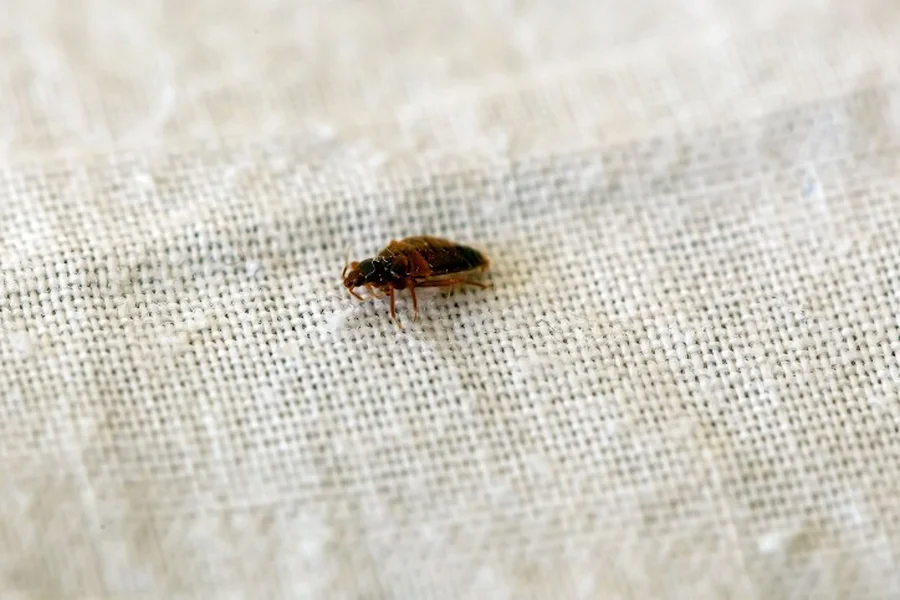
Bed bugs are one of the most frustrating pests homeowners deal with—not just because they’re hard to eliminate, but because they often come back. Many people believe the problem is solved after treatment, only to see signs reappear weeks later. This cycle of bed bug reinfestation is more common than most realize, and it usually comes down to incomplete treatment or missed factors.
So why do bed bugs keep returning—and what actually works to get rid of bed bugs permanently?
Why Bed Bug Reinfestation Happens After Treatment
Missed Eggs as the Main Cause of Bed Bug Reinfestation
One of the biggest reasons for bed bug reinfestation is missed eggs. Bed bug eggs are extremely small and often hidden deep within cracks, furniture seams, and wall voids. Even after treatment, these eggs can survive and hatch days later.
Once they hatch, the infestation starts again—often going unnoticed until the population grows. This is why treatments that only target visible bugs rarely succeed long-term.
Why DIY Fails to Get Rid of Bed Bugs Permanently
DIY methods are a major contributor to recurring infestations. While sprays and foggers may kill some bugs on contact, they typically:
- Fail to reach hidden areas
- Do not eliminate eggs
- Provide no long-term protection
In many cases, DIY attempts push bed bugs deeper into hiding, making professional treatment more difficult. Without a complete strategy, it’s nearly impossible to get rid of bed bugs permanently.
Common Mistakes That Lead to Bed Bug Reinfestation
Incomplete Prep That Leads to Bed Bug Reinfestation
Preparation plays a critical role in treatment success. If prep steps are skipped or done incorrectly, treatments may not reach key infestation areas.
Common mistakes include:
- Not decluttering infested spaces
- Leaving untreated items in place
- Failing to follow pre-treatment instructions
These gaps allow bed bugs to survive and continue spreading.
Why Poor Follow-Up Prevents You From Getting Rid of Bed Bugs Permanently
Even after treatment, follow-up is essential. Many homeowners assume one service is enough and skip inspections or monitoring.
Without follow-up:
- Remaining bugs go undetected
- The new activity isn’t caught early
- Reinfestation cycles continue
Consistent monitoring is key to ensuring the infestation is fully eliminated.
How Aprehend Extermination Provides Long Lasting Bed Bug Treatment
Aprehend extermination is designed to solve one of the biggest problems with traditional treatments—lack of residual protection. It uses a bio-based solution that attaches to bed bugs when they come into contact with treated surfaces.
Once exposed, the bugs spread the treatment to others, allowing it to reach hidden populations. Unlike immediate-kill methods, Aprehend works over time, targeting the entire colony.
Why Long Lasting Bed Bug Treatment Reduces Bed Bug Reinfestation
The key advantage of a long-lasting bed bug treatment is its ability to continue working after application. Aprehend remains active for weeks, ensuring that newly hatched bugs are also eliminated.
This extended protection significantly reduces the chances of bed bug reinfestation, making it one of the most effective solutions available today.
How to Get Rid of Bed Bugs Permanently with the Right Treatment Plan
Combining Aprehend Extermination With Inspection to Get Rid of Bed Bugs Permanently
The most effective way to get rid of bed bugs permanently is through a combination of thorough inspection and targeted treatment. Identifying all infestation areas ensures nothing is missed during application.
Professional services that include aprehend extermination provide a comprehensive approach that targets both visible and hidden infestations.
Why Long-Lasting Bed Bug Treatment Is Key to Getting Rid of Bed Bugs Permanently
Short-term solutions often fail because they don’t address the full lifecycle of bed bugs. Long lasting bed bug treatment ensures that:
- Eggs are eliminated after hatching
- Hidden bugs are exposed over time
- Reinfestation cycles are broken
This is what separates temporary relief from permanent results.
Preventing Bed Bug Reinfestation After Professional Treatment
Monitoring After Aprehend Extermination to Stop Bed Bug Reinfestation
Post-treatment monitoring is essential for long-term success. Even after effective treatment, it’s important to confirm that all activity has stopped.
Monitoring methods include:
- Bed bug interceptors
- Routine inspections
- Checking high-risk areas regularly
These steps help catch any remaining activity early before it becomes a problem again.
Travel and Home Habits to Support Long Lasting Bed Bug Treatment
Prevention doesn’t stop after treatment—it becomes part of your routine. Simple habits can make a big difference in maintaining results:
- Inspect luggage after travel
- Wash clothing on high heat
- Avoid bringing untreated secondhand furniture indoors
- Reduce clutter in sleeping areas
These actions support long lasting bed bug treatment and help prevent new infestations from starting.
Break the Cycle for Good
Bed bug reinfestation is frustrating—but it’s preventable. The key is understanding why infestations return and using the right treatment strategy to stop them completely.
By avoiding common mistakes, choosing long lasting solutions like Aprehend, and maintaining proper prevention habits, homeowners can finally break the cycle and get rid of bed bugs permanently.