
The Smarter Way To Pack For Beach And Fishing Days
A better outdoor day starts before you leave home
Packing for a beach or fishing day can feel simple at first, until the pile by the door starts growing. Chairs, towels, snacks, sunscreen, water bottles, tackle, toys, shade, first-aid supplies, spare clothes, and coolers all seem necessary once you think through the full day. The problem is not usually forgetting everything. The real problem is bringing the right mix of comfort, safety, and convenience without turning the trip into a tiring haul before the fun even begins.
The smartest packing strategy starts with one question: what will make the day easier once everyone is already outside? That mindset changes how you prepare. Instead of stuffing random bags until the trunk is full, you begin thinking in zones. One bag handles food and drinks. One carries comfort items. One keeps safety supplies visible. Fishing gear stays together and is easy to reach. Bulky items are grouped so they can be moved in fewer trips.
This matters because outdoor days often involve more walking than expected. A short path from the car can feel much longer when you are dragging a cooler, balancing rods, carrying chairs, and trying to keep children or pets from wandering ahead. Sand, gravel, grass, and uneven paths add even more effort. A setup that works in your driveway may suddenly feel frustrating once the terrain changes.
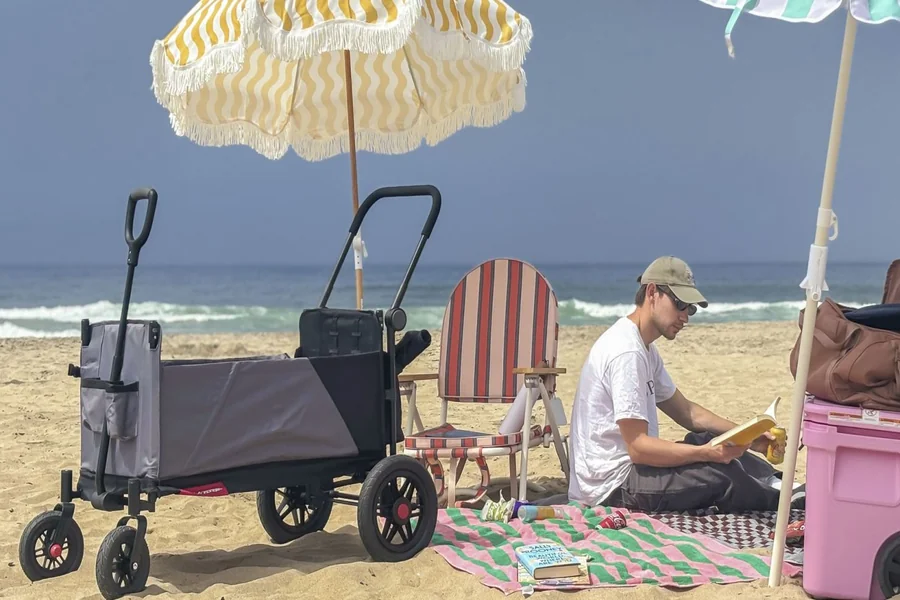
A smoother approach is to think about transport as part of the plan, not an afterthought. If your gear is hard to move, the whole day starts with stress. If everything has a place and can be rolled, lifted, or accessed easily, the day feels more relaxed from the beginning. This is where thoughtful carriers, organized bags, and versatile utility wagons for shoreline outings can make the full setup feel more manageable before the first chair is even unfolded.
Pack around the way the day actually unfolds
A good packing plan should follow the rhythm of the day, from arrival to setup, activity, meals, cleanup, and the trip back. When you organize around that natural flow, you avoid digging through bags every few minutes and keep the essentials close when they matter most.
Most people pack based on categories, but outdoor trips work better when you pack based on timing. The first things you need should not be buried. Shade, sunscreen, water, and chairs are usually needed right away. Snacks, towels, spare clothes, and activity gear can sit deeper in the setup. Safety items should always be easy to reach, not hidden beneath blankets or toys.
Your arrival phase should be simple. Everyone is excited, but this is also when the most chaos happens. Bags get dropped, coolers need to be moved, someone wants a drink, and another person is already asking where the sunscreen is. Keep the arrival essentials grouped so you can set up quickly without opening every container.
Once the group is settled, comfort becomes the priority. This includes shade, dry towels, easy hydration, and a clean place to keep phones, keys, and wallets. It also helps to have a small trash bag ready early, because wrappers, bait packaging, and snack containers tend to scatter fast when there is no obvious place to put them.
Fishing adds another layer because the gear is sharper, smaller, and easier to misplace. Hooks, pliers, line cutters, bait containers, and tackle boxes should never be mixed loosely with towels or food. Keeping fishing equipment separate makes the day safer and more organized. It also helps to pack practical fishing items near the end of your most accessible gear zone, so they are close when needed but not loose where someone may reach blindly.
Cleanup should be planned before the mess happens. Bring a wet bag for damp clothing, a small container for used fishing line, and a separate trash bag for food waste. This keeps the ride home cleaner and prevents one messy item from ruining everything else in the car.
Think comfort first, then add activity gear
Comfort is a part of packing that people underestimate until it is too late. A day outside can be beautiful, but heat, glare, damp clothes, tired legs, and heavy bags can turn small annoyances into the main memory of the trip. When comfort is handled well, everyone has more patience, more energy, and more time to enjoy the day.
Start with shade and seating. Even if you plan to spend most of the day in the water or fishing, people need a place to rest. Lightweight chairs, a canopy, an umbrella, or a sunshade can change the entire mood of the outing. The goal is not to build a campsite. The goal is to create a home base where people can recharge.
Hydration deserves just as much attention. Bring more water than you think you need, especially if the day involves sun, salt air, walking, or active fishing. Drinks should be easy to access without unpacking half the cooler. A small top layer with the first few bottles can save you from opening and closing the main cooler constantly.
Food should be simple, sturdy, and low-messy. Choose snacks that do not melt quickly, spill easily, or require too many utensils. If you are bringing a full meal, pack it separately from bait, tackle, wet towels, or sunscreen. It sounds obvious, but when people rush, everything ends up in the nearest bag.
Clothing is another smart comfort category. A dry shirt, extra socks, a light layer, and a clean towel can make a huge difference after swimming, fishing, or sitting in the wind. For children, extra clothes are not optional. For adults, they are often the thing you wish you had packed.
Keep safety gear visible and simple
Safety supplies should be easy to find, even for someone who did not pack the bags. In an outdoor setting, a small injury can feel more stressful when everyone is searching through coolers, backpacks, and beach totes at the same time.
A compact first-aid kit is a smart starting point, but it should be updated for the type of day you are planning. Basic adhesive bandages are helpful, but outdoor trips may also call for antiseptic wipes, gauze, medical tape, tweezers, gloves, cold packs, and blister care. If fishing is part of the day, sharp-object awareness becomes more important.
It is also smart to have a simple plan for what not to handle yourself. Some injuries are minor. Others need professional care. Hooks near sensitive areas, deep punctures, heavy bleeding, signs of infection, or injuries involving the eye should be treated seriously. A calm response matters more than trying to prove you can fix everything on-site.
Keep emergency contacts, medication needs, and allergy details available when traveling with a group. This is especially useful when children, older adults, or guests are part of the outing. You do not need to overcomplicate the plan. You just need enough information to make quick decisions if something goes wrong.
Build a setup that is easy to carry, use, and repack
The best outdoor packing system is not the one that looks perfect at home. It is the one you can actually use when the wind picks up, people are hungry, towels are wet, and everyone is ready to leave. A practical setup should be easy to carry in, easy to use during the day, and easy to repack when energy is lower.
Think in containers. A cooler handles cold items. A dry bag handles clothes and towels. A small hard case can protect phones, keys, and first-aid supplies. A tackle box keeps sharp gear contained. A dedicated trash bag keeps the mess under control. When every category has a home, the day feels less scattered.
Weight distribution also matters. Heavy items should be low and stable. Fragile items should not sit under chairs or coolers. Wet items should stay away from food and electronics. Sharp items need their own secure space. These small choices prevent the frustrating moments that can interrupt an otherwise great day.
Repacking should be part of the original plan. Keep one empty bag ready for wet or sandy items. Bring a towel specifically for wiping down gear before it goes back into the car. Leave room in your setup for things to return less neatly than they arrived, because they almost always will.
Make the day feel easier from start to finish
A smarter beach and fishing day is not about packing every possible item. It is about reducing effort, preventing stress, and making sure the essentials are easy to reach when they matter. The right setup helps you spend less time hauling, searching, untangling, and cleaning, and more time enjoying the reason you went outside in the first place.
The best plan combines comfort, safety, organization, and realistic transport. Bring shade before you need it. Keep water close. Separate fishing gear from casual supplies. Make first aid visible. Plan for wet clothes, trash, and the tired walk back.
When you pack this way, the day feels lighter even if you brought plenty. You arrive with less chaos, settle in faster, respond better to small problems, and leave without feeling like the entire trip was one long gear-management project. That is the real goal: not just being prepared, but being prepared in a way that lets the day stay fun.