
How to Remodel a Kitchen With Limited Wall Space
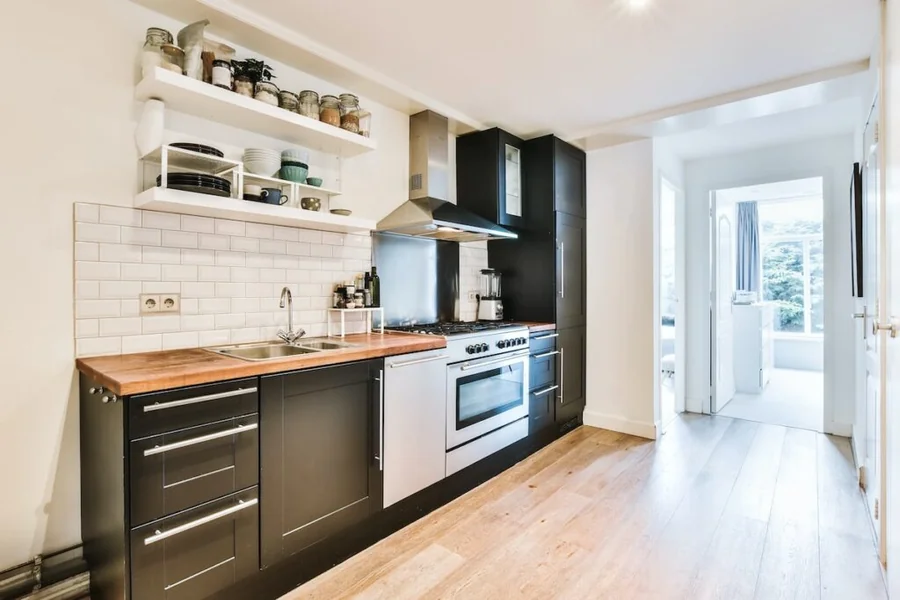
The modern dream of a home often involves wide-open spaces, sprawling views, and a seamless flow from the cooking area to the living room. While these architectural choices create a beautiful sense of freedom, they often leave homeowners scratching their heads when it comes time to actually mount a cabinet or place a refrigerator. When you strip away the walls to gain that coveted airy feel, you also strip away the primary surfaces used for storage and utility. Achieving a high-end look while maintaining the practical needs of a busy household requires a shift in perspective and a more nuanced approach to a residential kitchen update that prioritizes smart layout over traditional boundaries.
The concept of limited wall space in a remodel refers to a floor plan that lacks long, uninterrupted vertical surfaces. Instead of having solid walls to anchor your range, pantry, and upper cabinetry, the room is defined by large windows, multiple doorways, and transitions into other living areas. This is a common byproduct of the open-concept movement, where the goal is to keep the chef connected to the family, but the trade-off is a significant reduction in “real estate” for heavy appliances and shelving.
Understanding the Architectural Puzzle of Open Layouts
Designing a kitchen without the safety net of four solid walls is much like putting together a puzzle where the edges are constantly shifting. In many contemporary homes, the desire for natural light often trumps the need for extra cabinet space, leading to walls filled with windows rather than wood. While this floods the room with vitamin D and provides beautiful views of the backyard, it effectively deletes the possibility of standard upper cabinets.
Furthermore, the flow of traffic through a home often dictates where “holes” in the kitchen perimeter must exist. If your kitchen serves as a central hub with pathways leading to the mudroom, the dining room, and the outdoor patio, you are left with “island” sections of wall that are too small for a full appliance suite. Structural constraints also play a role, as load-bearing pillars or plumbing stacks might sit exactly where you envisioned a wall of pantry cupboards. Decisions made by Northeast Design Build in Rhode Island regarding specialized cabinetry can help solve these spatial dilemmas by creating custom solutions for awkward corners. This type of architectural environment demands that every square inch of remaining vertical space be used with absolute precision.
The Hidden Challenges of Minimal Wall Layouts
When you lose the perimeter of a room, you lose the natural anchors that tell our brains how the space is supposed to function. In a traditional enclosed kitchen, the walls act as a guide, neatly separating the “clean-up zone” from the “cooking zone.” Without these barriers, different household functions can begin to bleed into one another, leading to a workspace that feels chaotic or visually cluttered.
One of the most immediate problems is the reduction of upper storage. Most people underestimate how much they rely on eye-level cabinets for daily essentials like coffee mugs, plates, and spices. When these are removed to make room for a window or an open walkway, the lower cabinets must work twice as hard. This often leads to a “cramming” effect where every drawer is overflowing, making it difficult to find what you need during the heat of meal preparation. Without careful planning, the lack of wall space can also force major appliances—like the refrigerator and the oven—into awkward positions that disrupt the natural flow of the kitchen work triangle.
Strategizing Your Space for Maximum Efficiency
Successfully navigating a remodel with restricted wall area requires a departure from the “perimeter-first” mentality that has dominated kitchen design for decades. Instead of looking at what you can lean against the walls, you must look at how you can utilize the volume of the room itself.
The Island as the Central Command Center
When walls are scarce, the kitchen island stops being an “extra” feature and becomes the most important piece of furniture in the room. A well-designed island can house the primary sink, the dishwasher, the microwave, and even a cooktop, effectively pulling the heavy lifting away from the edges of the room. This centralization allows the remaining wall space to be used for things that truly require it, such as a high-performance vent hood or a built-in refrigerator.
Beyond just holding appliances, the island serves as a vital bridge between the kitchen and the rest of the home. By incorporating deep drawers on the working side and seating on the social side, the island manages to provide both the storage you lost and the connection you gained by opening the floor plan. It becomes the anchor that defines the room’s boundaries without needing a single stud or sheet of drywall.
Rethinking Storage and Vertical Logic
Since you cannot go “up” with wall cabinets as easily, you must go “in” with smarter interior fittings and specialized storage solutions. This might mean installing a full-height pull-out pantry in a narrow six-inch gap between a doorway and a fridge, or utilizing deep “peg system” drawers to store plates and bowls below the counter.
Many homeowners find success by embracing the “scullery” or “hidden pantry” concept if there is a small adjacent space available. If the main kitchen walls are dedicated to windows, moving the bulk of the food storage and small appliances into a nearby closet or walk-in area keeps the primary cooking zone looking sleek and intentional. This distribution of storage prevents the main room from feeling overwhelmed by the weight of too many cabinets.
Creating Visual Harmony Without Boundaries
In a room where the walls aren’t there to hide anything, every design choice becomes highly visible from across the house. This makes the selection of materials and finishes more critical than ever, as the kitchen must now act as a cohesive part of the overall interior design.
Maintaining a controlled color palette is one of the most effective ways to make a wall-limited kitchen feel organized. When the cabinetry, countertops, and backsplashes share similar tones, the eye moves smoothly across the space rather than getting caught on “busy” details. This sense of calm is especially important in open layouts, where a cluttered-looking kitchen can make the entire living area feel messy.
Zoning is another vital tool for creating structure. Even without walls, you can define the kitchen’s “territory” through the use of lighting and flooring. A series of pendant lights over the island or a subtle shift in the ceiling height can signal where the kitchen ends and the dining room begins. By treating the layout as a collection of functional zones rather than a box defined by walls, you can create a space that feels both expansive and perfectly tailored to the rhythms of your daily life.